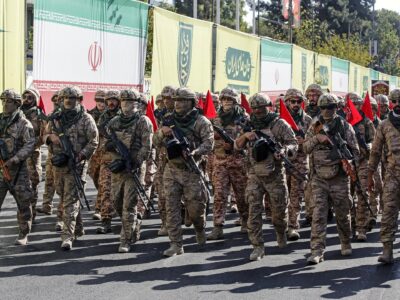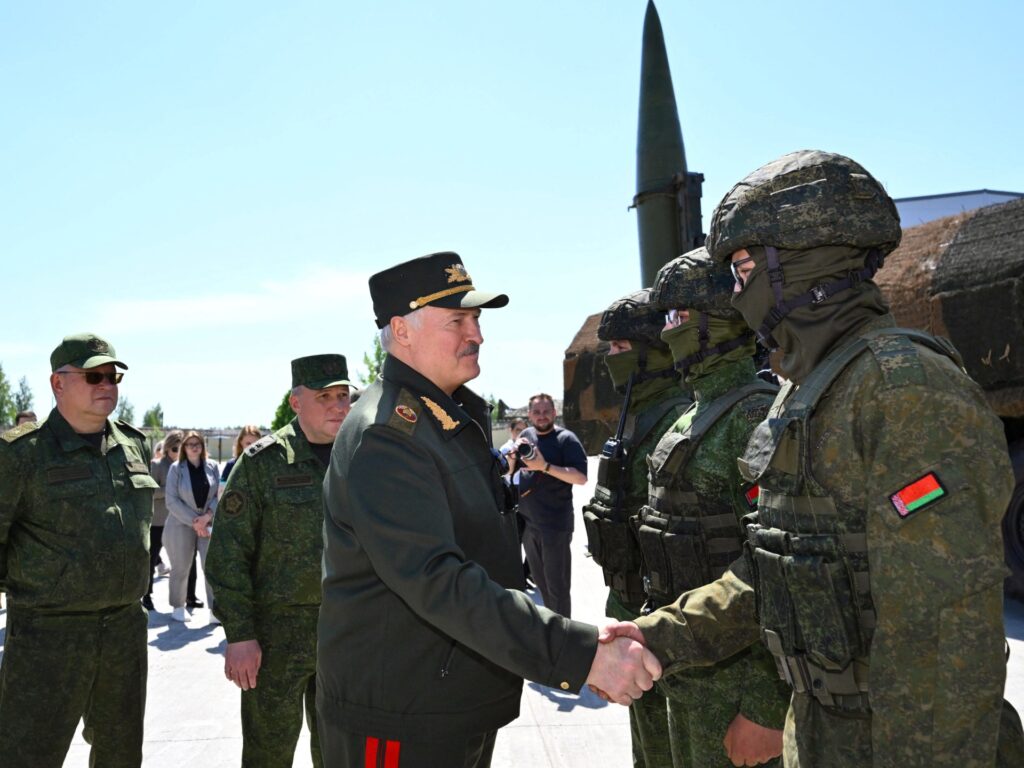
Russia’s recent deployment of additional nuclear weapons to Belarus marks a significant escalation in their military alliance, drawing international attention and raising concerns about regional stability. This move comes as Belarus participated for the first time in a joint military exercise with Russia, signaling deeper cooperation between the two countries.
Analysts view this development as a risky venture for Minsk, the capital of Belarus, due to the geopolitical consequences it might invite. The presence of Russian nuclear weapons on Belarusian soil could exacerbate tensions with neighboring countries and Western powers, potentially making Belarus a focal point in global power struggles.
Historically, Russia’s military strategy has involved using allies strategically to project power and deter adversaries, and the enhanced nuclear presence in Belarus fits this pattern. The joint drills showcase a consolidation of military capabilities and a display of strength intended both for internal cohesion within the alliance and a message to external observers.
The timing of these deployments and joint exercises also correlates with heightened conflicts and diplomatic frictions in the region, making the move particularly notable. It reflects not only military preparedness but also a political statement about the depth of the Russia-Belarus partnership.
However, the risks for Belarus are significant. Hosting nuclear arms could make it a direct target in any future conflict involving Russia or its adversaries. Moreover, it may provoke retaliatory measures or sanctions from the international community, potentially isolating Belarus further economically and politically.
Experts caution that while such alliances can provide immediate security benefits for smaller states like Belarus, they can also entangle them in larger, more dangerous conflicts. The transparency and intent behind Russia’s strategy remain subjects of intense analysis and concern.
In conclusion, Russia’s decision to send more nuclear weapons to Belarus and the initiation of joint military drills signify a deepening military collaboration that carries both strategic advantages and significant risks. The move is a clear indication of changing security dynamics in Eastern Europe and underscores the need for careful diplomatic navigation to prevent escalation.