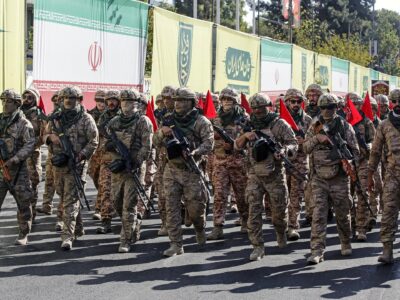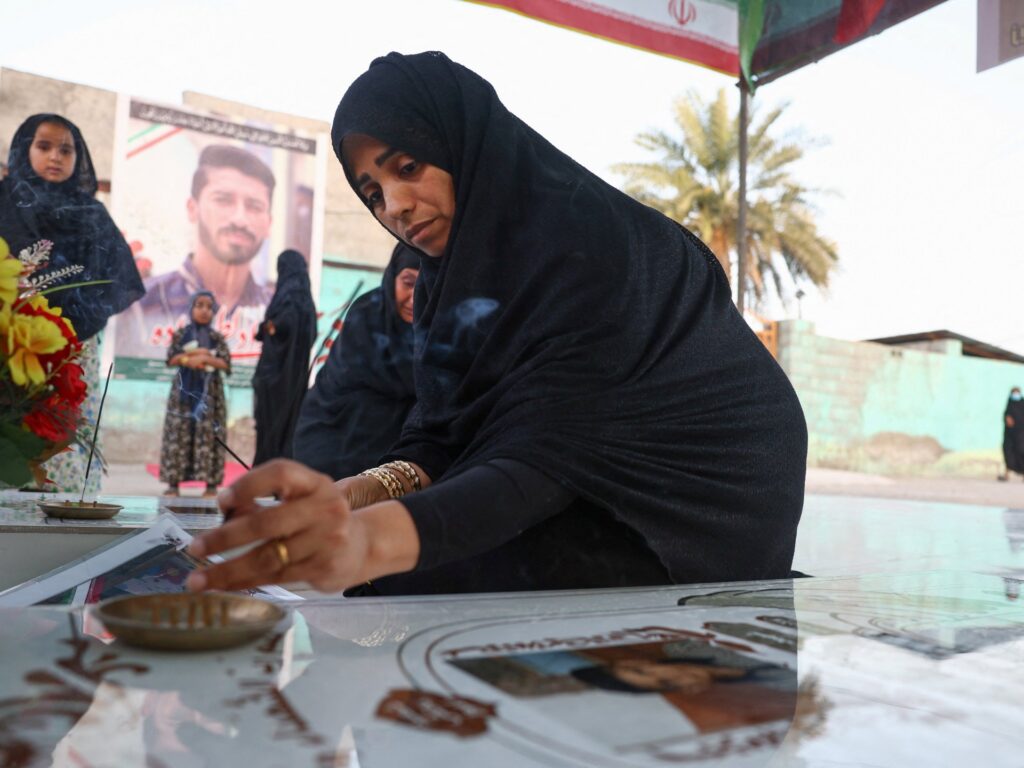
Recent updates from the ongoing conflict involving Iran have highlighted a ‘little bit’ of progress in the US-Iran discussions, according to official sources from Washington. These talks are crucial as they aim to de-escalate tensions and possibly pave the way for diplomatic solutions amidst widespread conflict in the region.
Meanwhile, a significant and tragic event unfolded in Lebanon’s Deir Qanoun al-Nahr area. An Israeli military strike targeted this location, resulting in the deaths of six individuals. Among the victims were two rescuers who were reportedly trying to assist others caught in the aftermath of the attack, along with a Syrian child, underscoring the human cost of this enduring regional conflict.
This incident has further exacerbated tensions in the area, highlighting the fragile and volatile state of security and humanitarian conditions in Lebanon and its neighboring regions. The strike underscores the ongoing complexities faced by civil populations caught in the crossfire of larger geopolitical struggles.
The US-Iran talks, while showing minimal headway, represent a critical avenue for potential conflict resolution. Washington’s cautious optimism suggests that while substantial agreements have not yet been reached, dialogue remains active and could lead to de-escalation. The broader international community is closely monitoring these developments, hopeful that strategic negotiations might reduce hostilities.
The situation remains fluid, with diplomatic efforts underway alongside ongoing military actions. The death toll from recent strikes in Lebanon serves as a grim reminder of the urgent need for peace and stability in the Middle East. Both civilian casualties and geopolitical dynamics emphasize the high stakes involved in these conflicts.
Observers note that progress in the US-Iran talks could influence regional security, possibly curbing further military escalations. However, the presence of aggressive actions, such as the Israeli strike in Lebanon, complicates efforts toward a peaceful resolution and reflects the precarious balance of power and influence in the region.
As international mediators continue to urge restraint and seek avenues for dialogue, the human impact remains a central concern. Aid organizations and humanitarian groups have called for increased protection for civilians and the facilitation of rescue operations amid ongoing hostilities.
In conclusion, the latest updates from the Iran war front depict a scenario of cautious progress in diplomatic talks beside continued military confrontations. The dual narrative of negotiation efforts and violent strikes illustrates the multifaceted nature of ongoing conflicts in the Middle East, with significant implications for regional and global peace efforts.