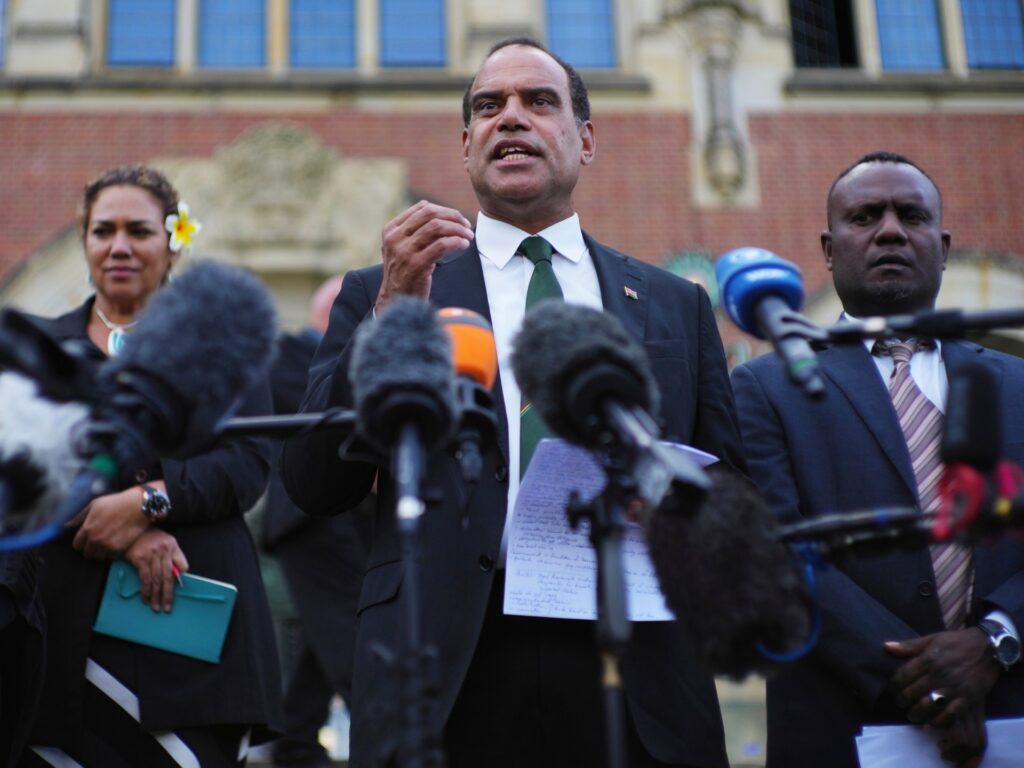
In a significant move reflecting the global urgency of climate issues, the United Nations has adopted a resolution that endorses the International Court of Justice’s (ICJ) recent ruling on climate change. With an overwhelming majority, 141 out of 193 UN member states voted in favor of the resolution, underscoring the international community’s acknowledgment that climate change represents an ‘existential threat’ to humanity.
The ICJ, the principal judicial organ of the United Nations, released a landmark advisory opinion asserting that climate change poses significant risks not only to the environment but also to global security, human rights, and sustainable development. The court emphasized the moral and legal obligations of states to take effective measures to mitigate climate change, protect vulnerable populations, and uphold international law commitments.
By adopting this resolution, the UN General Assembly conveys a strong political message affirming the seriousness of climate change challenges and the necessity of immediate, collective action. The resolution calls on all countries to respect their international responsibilities and incorporate the ICJ’s guidance into their national policies and international cooperation efforts.
Climate experts and environmental advocates have welcomed the UN decision, viewing it as a pivotal step toward enhancing legal frameworks and accountability in addressing climate change. The resolution provides a foundation for further legal and diplomatic actions, potentially influencing future international treaties, financial mechanisms, and technology transfers aimed at combating climate change.
Critics, however, caution that while the resolution demonstrates robust support, the real test lies in the implementation of practical and tangible climate actions by member states. Many emphasize the need for transparent monitoring, enforcement mechanisms, and equitable burden-sharing to ensure that commitments are met effectively and fairly.
This development complements ongoing global climate negotiations and reaffirm the critical role of international law in shaping a coordinated response to the climate crisis. The UN’s endorsement of the ICJ’s ruling sets a precedent, encouraging nations to align their policies with legal principles that prioritize planetary health and human well-being.
The resolution’s passage sends a clear signal ahead of upcoming climate summits, where member states will gather to evaluate progress, enhance cooperation, and renew their commitments under the Paris Agreement and other multilateral frameworks. This alignment between judicial findings and political will enhances the legitimacy and urgency of climate actions worldwide.
As the existential threat of climate change intensifies, the global community’s unified stance, as reflected in this UN resolution, represents a hopeful turn toward collective responsibility and transformative solutions. It marks a milestone in the journey toward sustainable development and a safer future for all inhabitants of Earth.