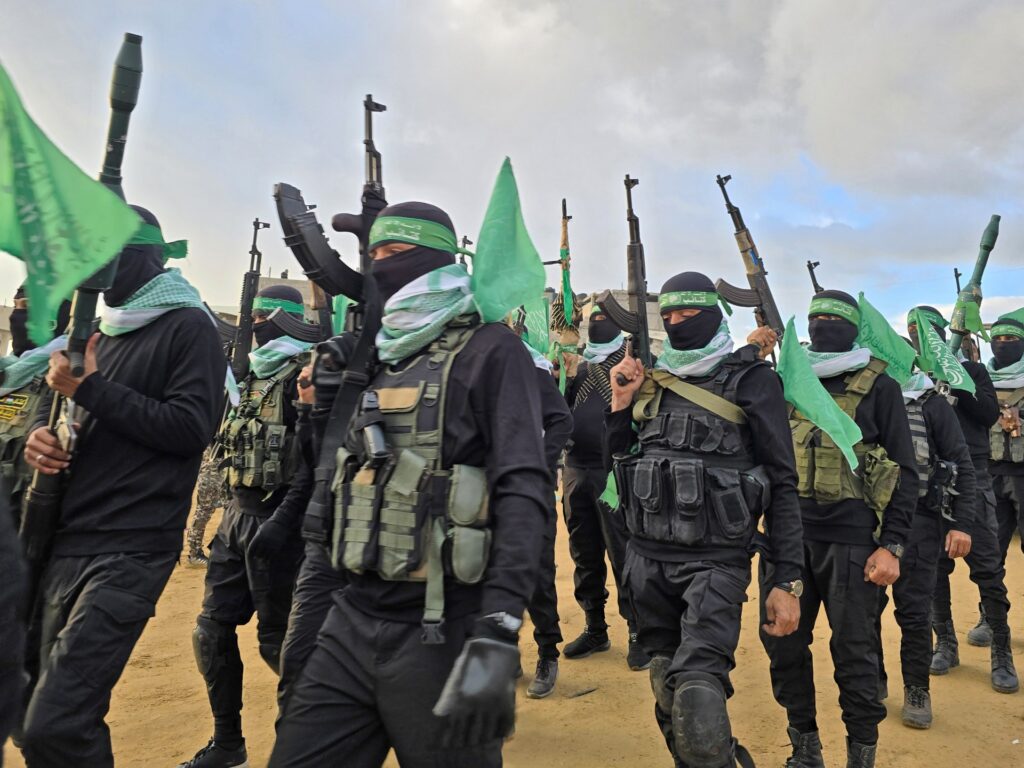
In a recent statement addressing the tense situation in Gaza, the diplomat overseeing the US-brokered truce emphasized the need for Hamas to disarm rather than ‘disappear’ from the region. The Board of Peace’s envoy, Mladenov, clarified that the demand is for Hamas to lay down its arms, not to vanish as a political entity.
Mladenov’s remarks come amid ongoing efforts to stabilize the region and maintain a fragile ceasefire between conflicting parties. He underscored that peace cannot be achieved through the removal of Hamas as a political movement, but through its commitment to cease violence and engage constructively.
The statement highlights the complexity of the Gaza conflict, where militant groups are deeply intertwined with political realities. Mladenov’s approach aims to separate the militant activities from the political presence of Hamas, advocating a pathway toward peaceful coexistence.
Diplomatic circles have welcomed this nuanced position, seeing it as a pragmatic step that acknowledges the realities on the ground while promoting disarmament. The US-brokered truce, which Mladenov oversees, is considered a critical framework for reducing violence and fostering dialogue.
Mladenov emphasized, “We are not asking Hamas to disappear as a political movement, but to disarm and uphold peace agreements. This distinction is vital for a sustainable resolution.”
The statement also calls on all involved parties to respect the ceasefire and work towards humanitarian relief, as the region continues to face significant challenges including displacement and infrastructure damage.
Experts believe that Mladenov’s stance may provide a basis for renewed negotiations and greater international cooperation. The focus on disarmament rather than political elimination could pave the way for more inclusive discussions that address the root causes of the conflict.
In conclusion, the message from the Board of Peace’s representative is clear: the path to peace in Gaza requires disarmament and political engagement, not the eradication of political actors. This approach recognizes the complexities of the conflict and seeks to build a durable peace through pragmatic and inclusive measures.