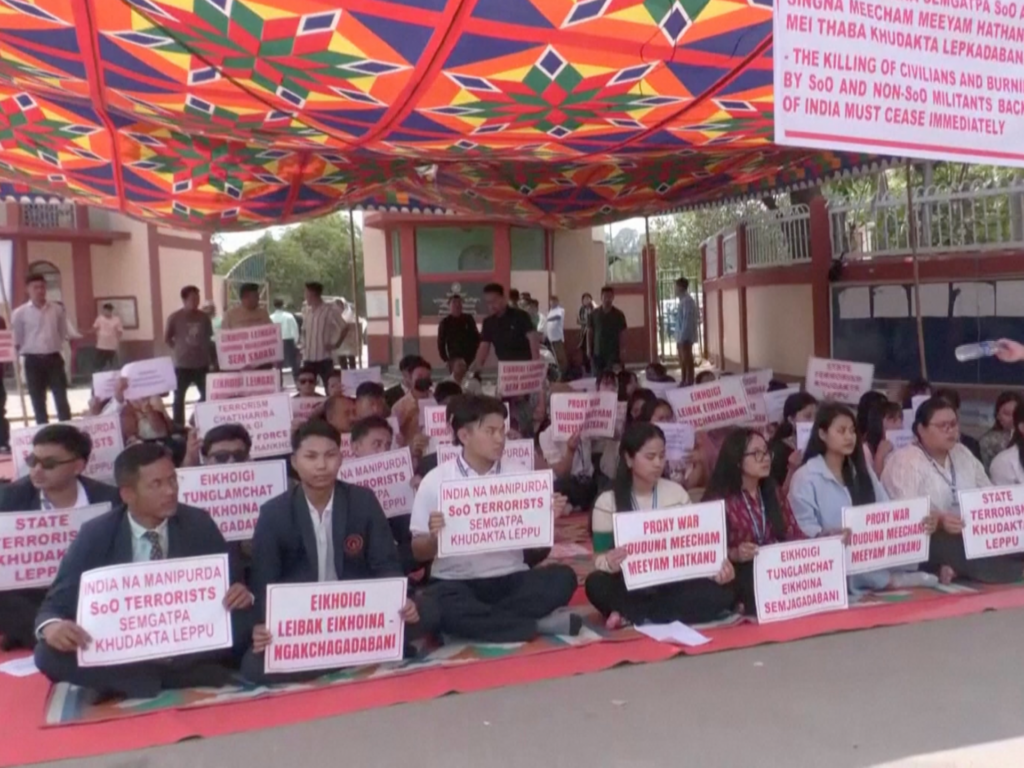
In the northeastern state of Manipur, India, recent ethnic violence has claimed the lives of three church leaders, and left three others injured. This tragic incident has sparked widespread protests across the region, highlighting the ongoing communal tensions that have been affecting the area.
Manipur has been a hotspot for ethnic conflicts involving various indigenous communities and other ethnic groups, often triggered by long-standing historical grievances, territorial claims, and socio-political issues. The killing of church leaders, who play a significant role in local communities, has raised serious concerns about the safety and protection of religious figures amid escalating violence.
The victims were targeted in what appears to be a deliberate attack, although authorities are still investigating the motive behind the violence. The injured individuals are currently receiving medical treatment, with their conditions being closely monitored.
Church leaders in Manipur are often seen as community protectors and mediators who contribute to peace and reconciliation efforts. Their deaths have shocked local populations and religious organizations, prompting calls for immediate government action to restore peace and provide security.
Protests have erupted in various towns and cities within Manipur, with demonstrators demanding justice for the slain leaders and enhanced measures to prevent such attacks in the future. The protests have largely been peaceful, though there is concern about the potential for further unrest given the volatile nature of ethnic relations in the region.
Government officials have condemned the killings and pledged to conduct a thorough investigation to bring the perpetrators to justice. Security forces have been deployed to sensitive areas to prevent any escalation of violence.
Community leaders and religious groups have also appealed for calm, urging people not to resort to retaliatory violence. They are calling for dialogue and peaceful resolution of conflicts to maintain harmony in the diverse society of Manipur.
This incident underscores the urgent need to address the root causes of ethnic violence in Manipur, which include issues related to ethnic identity, land rights, and political representation. Sustainable peace in the region will require comprehensive efforts that involve all stakeholders, including government, civil society, and ethnic communities.
As investigations continue, the focus remains on ensuring justice for the victims and safeguarding the lives of church leaders and other vulnerable groups who play crucial roles in fostering community cohesion in Manipur.