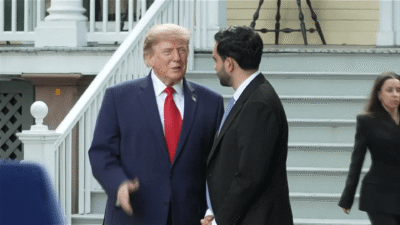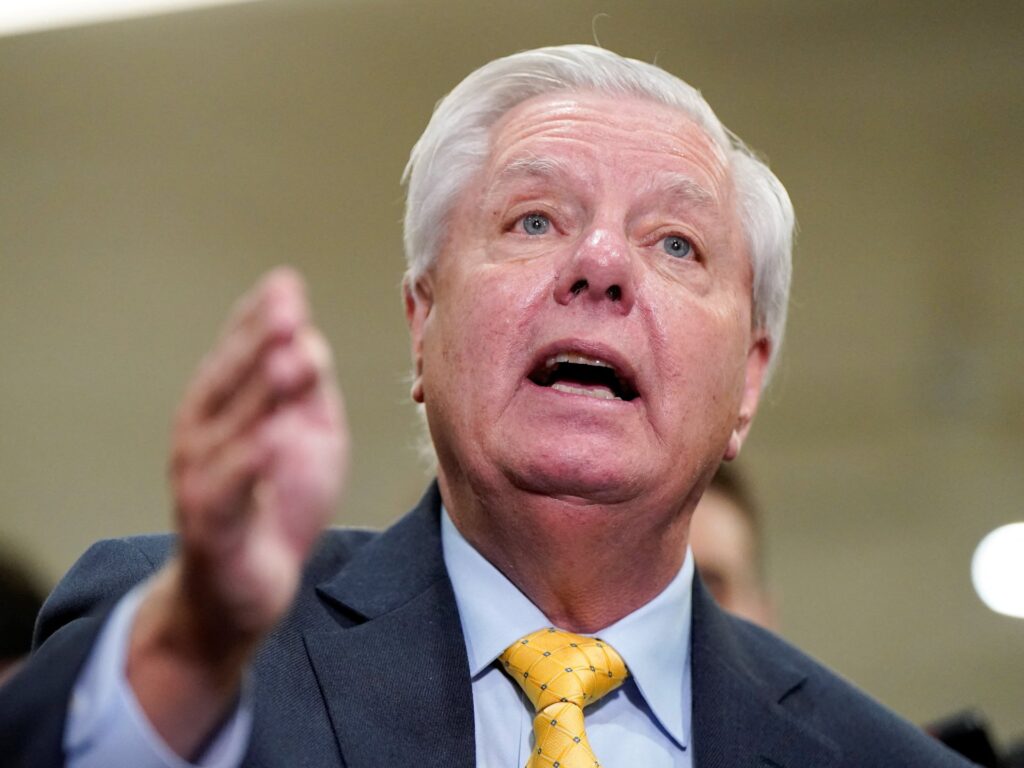
Former US President Donald Trump has publicly backed Pakistan’s role as a mediator in fostering diplomacy with Iran, a position that diverges sharply from criticism levied by his fellow Republican, Senator Lindsey Graham. Trump praised Islamabad for its potential to facilitate peaceful dialogue, emphasizing Pakistan’s strategic regional position and its history of engaging with both Iran and the United States. In contrast, Senator Lindsey Graham expressed skepticism about Pakistan’s reliability as a neutral intermediary. Graham’s criticism centers on the concern that Pakistan’s close ties with Iran and its own regional interests might undermine unbiased mediation efforts.
The backdrop of this disagreement is the ongoing challenge of renewing and reinforcing diplomatic ties with Iran, particularly concerning Iran’s nuclear program and regional activities. The US administration’s approach toward Iran has been complex, with multilateral efforts involving various international players to encourage Iran to adhere to global nuclear standards.
Trump’s endorsement of Pakistan signals an attempt to leverage regional partnerships and muscle diplomacy through trusted nations that can influence Iran. He highlighted Pakistan’s unique position as a neighboring Muslim country familiar with the geopolitical dynamics at play. However, Lindsey Graham’s contrasting stance underscores the internal debate within US political circles about the wisdom and risks of entrusting Pakistan with such a critical diplomatic role.
Pakistan has historically played a role as a backchannel in US-Iran relations, hosting talks and dialogues that are discreet and aimed at conflict de-escalation. Its involvement is viewed by some as a pragmatic approach to deal with Iran outside the direct US-Iran standoff.
Critics of Pakistan’s involvement argue that Islamabad’s bilateral relations with Tehran, marked by cooperation on security and economic matters, might compromise its neutrality. Additionally, there are concerns about Pakistan’s domestic challenges and its capacity to act as an effective mediator under intense international scrutiny.
Supporters of Pakistan’s mediation role, including Trump, believe that Islamabad can act as a stabilizing force capable of bridging gaps. They argue that excluding Pakistan could limit the diplomatic options available to the US and its allies in managing the complex Iran issue.
This public disagreement between Trump and Graham came amid broader tensions over the Iran policy within the Republican Party and the US government. It reflects differing visions on how best to address Iran’s policies and the region’s stability.
Experts suggest that effective mediation requires trust, impartiality, and leverage, qualities that Pakistan partially embodies but has yet to demonstrate fully under international expectations. The success of Pakistan as a mediator partly depends on its diplomatic finesse and ability to balance its relations pragmatically.
As discussions continue, the role of Pakistan remains pivotal yet contentious. The debate encapsulates the complexities of Middle East diplomacy, where regional players, international powers, and ideological divides interplay.
This episode highlights the broader challenges the United States faces in crafting a cohesive and effective foreign policy stance on Iran. It also points to the necessity of pragmatic alliances and the difficulties in selecting trustworthy mediators in a highly polarized international environment.
In conclusion, Trump’s endorsement of Pakistan offers a platform for Islamabad to enhance its diplomatic influence, while Lindsey Graham’s criticism serves as a cautionary note about potential pitfalls. The unfolding dynamics will likely shape the contours of Iran diplomacy and the United States’ strategic engagement in the region going forward.