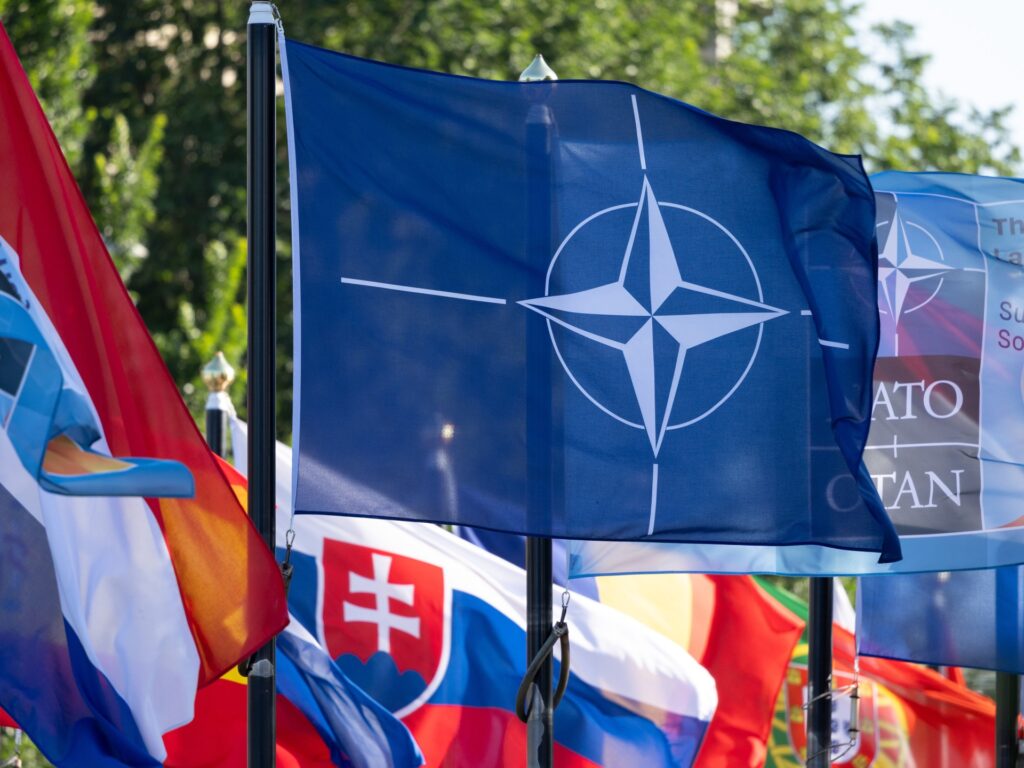
In a landmark event signaling a new chapter in regional security and cooperation, Serbia is hosting its first-ever joint military exercise with NATO. This two-week-long exercise marks a significant milestone, especially considering the historical backdrop of the Kosovo war nearly 30 years ago, during which NATO bombed Belgrade.
The joint drills are designed to foster improved military coordination, strengthen regional security, and enhance mutual understanding between Serbia and NATO forces. Over the course of two weeks, Serbian troops and NATO personnel will engage in a series of coordinated training exercises focusing on crisis response, humanitarian aid, and peacekeeping operations.
This collaboration reflects a shift in diplomatic relations between Serbia and NATO member countries, emphasizing dialogue and partnership rather than conflict. The Kosovo war, which caused deep divisions and long-standing tensions in the Balkans, previously saw NATO and Serbia on opposing sides. The bombing campaign of Belgrade remains a poignant memory for many in Serbia.
Military analysts view the joint exercises as a pragmatic step towards building trust and opening channels for future cooperation. The drills are expected to include a mix of tactical maneuvers, command post exercises, and joint simulations that mirror real-life scenarios requiring coordinated multinational responses.
The Serbian government has stated that it remains committed to maintaining its sovereignty and neutrality while seeking constructive engagement with international partners. Hosting NATO for joint exercises is seen as a way to demonstrate Serbia’s ability to work collaboratively on security issues while preserving national interests.
NATO officials have welcomed the opportunity to deepen ties with Serbia through these activities, highlighting that the exercises will help bridge gaps and foster transparency. NATO views Serbia as a key partner in ensuring stability in the Western Balkans.
Public reaction in Serbia has been mixed, with some expressing cautious optimism about the potential benefits of closer security cooperation, while others remain wary of NATO’s historical role in the region. The government has been engaging in public outreach to explain the purpose and benefits of the exercises.
Overall, this joint military exercise signals a thaw in relations and a hopeful step forward for cooperation in a historically turbulent region. It underscores the complex nature of international relations where former adversaries find new pathways for partnership and peace.
As the drills proceed, they will be closely watched by international observers as a potential example of reconciliation and future security collaboration in Europe.