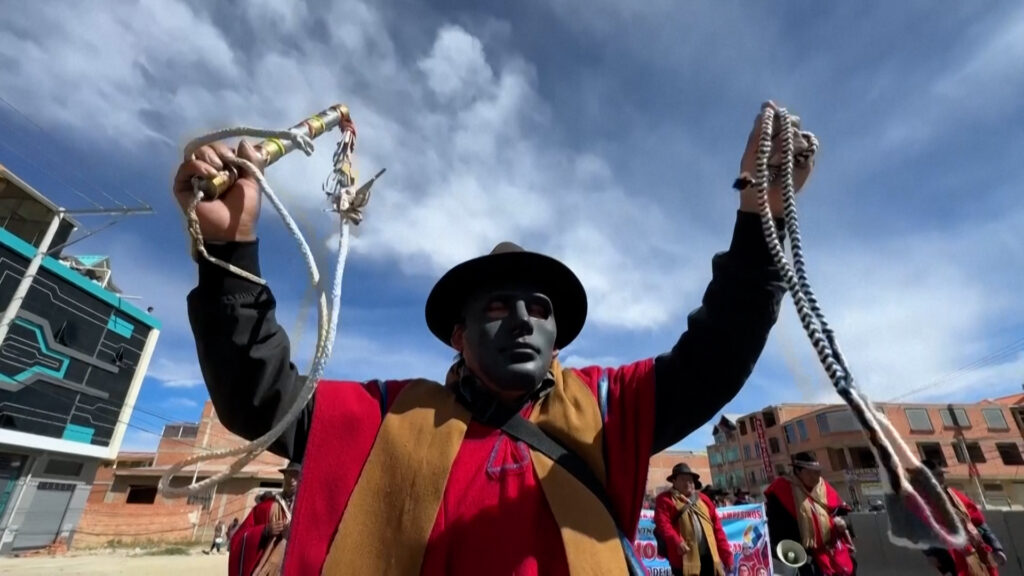
Bolivia is currently engulfed in widespread unrest as protesters across the nation have initiated extensive road blockades, disrupting travel and daily life in major cities. The demonstrations are driven by demands for the resignation of the country’s president, reflecting deep political dissatisfaction.
The road blockades have severely impacted transportation networks, causing delays and limiting access to essential services. Major urban centers are particularly affected, with key highways and streets being targeted by protestors aiming to amplify their calls for political change.
Citizens participating in the protests argue that the current administration has failed to address critical issues such as economic instability, corruption, and social inequality. These concerns have fueled public frustration, culminating in the recent surge of collective action.
Authorities have struggled to manage the situation, with security forces attempting to negotiate with protest leaders while also maintaining order. However, tensions remain high, and there have been reports of confrontations between protesters and law enforcement officials.
The Bolivian government has yet to announce any concessions or changes in leadership in response to the demonstrations. Meanwhile, the economic implications of the pervasive blockades are beginning to emerge, with disruptions in the supply chain affecting businesses and consumers alike.
International observers have called for dialogue and peaceful resolution, emphasizing the importance of addressing the protesters’ concerns through democratic means. The situation remains fluid, with the potential for further escalation or potential negotiations in the near future.
As the protests continue to paralyze transportation and daily activities, the future political landscape in Bolivia appears uncertain, underscoring the urgent need for comprehensive dialogue between the government and its citizens.