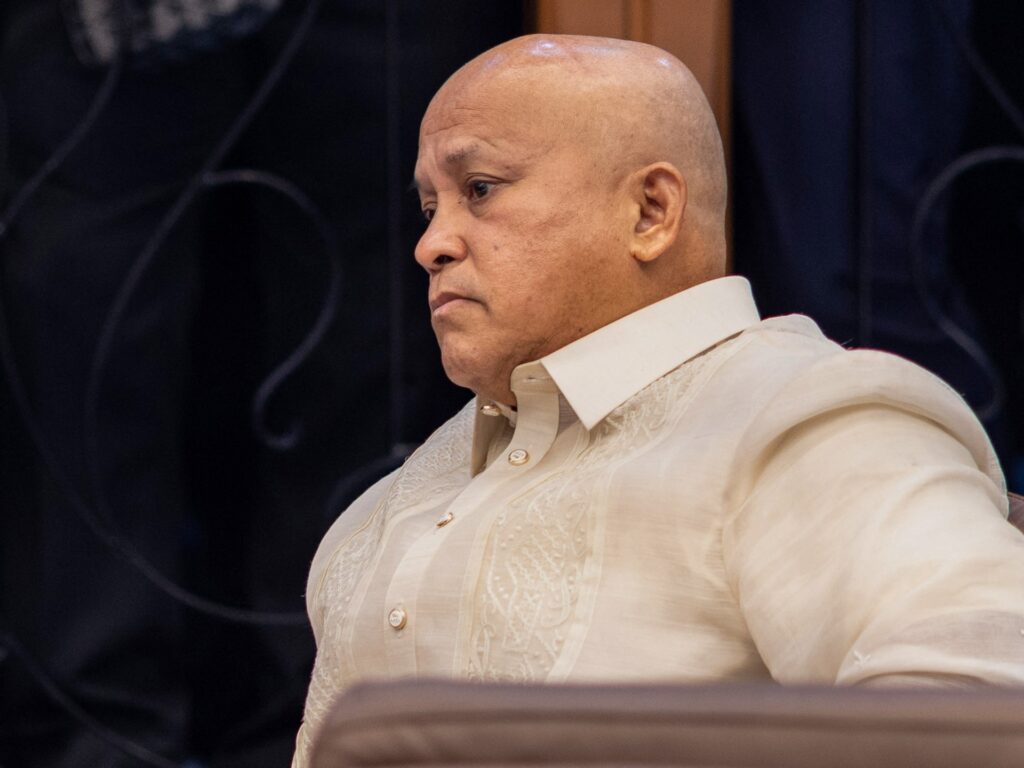
Senator Ronald Dela Rosa of the Philippines has reportedly evaded an arrest warrant issued by the International Criminal Court (ICC) concerning his involvement in the country’s controversial drug war. The ICC had issued the warrant as part of its investigation into alleged crimes against humanity linked to the drug war initiated during President Rodrigo Duterte’s administration.
The Philippine drug war, launched in 2016 by President Duterte, has drawn international condemnation for its high number of killings and allegations of extrajudicial executions targeting suspected drug offenders. Senator Dela Rosa, who previously served as the chief of the Philippine National Police, has been a prominent figure associated with the enforcement and promotion of the drug war policies.
The ICC investigation centers on allegations that key officials, including Dela Rosa, bear responsibility for widespread and systematic human rights abuses during the drug war campaign. These abuses reportedly included unlawful killings, torture, and other inhumane acts perpetrated against civilians.
Dela Rosa’s evasion of the ICC arrest warrant marks a significant development as it underscores ongoing challenges involving cooperation with international legal institutions. Despite the ICC’s efforts to hold individuals accountable for alleged crimes against humanity, the Philippine government has largely rejected the court’s jurisdiction, complicating the enforcement of warrants and the pursuit of justice for victims.
The senator’s move to avoid arrest has raised concerns among human rights advocates, who view this as an impediment to efforts aimed at achieving justice and accountability for victims of the drug war. It also highlights the broader political climate in the Philippines where government officials linked to controversial policies continue to wield substantial influence and evade legal scrutiny.
The international community continues to monitor the situation closely, with many urging the Philippine government to cooperate with the ICC and uphold international human rights standards. Meanwhile, families of victims and human rights organizations persist in calling for transparency, accountability, and meaningful reforms to prevent future abuses.
Overall, Senator Ronald Dela Rosa’s evasion of the ICC arrest warrant underscores critical tensions between national sovereignty, international justice mechanisms, and the ongoing debates over human rights and rule of law in the Philippines. This situation remains a pivotal point in the global discourse concerning accountability for alleged state-led abuses in the name of security and anti-drug campaigns.