As the British political landscape heats up, speculation around potential challengers to Keir Starmer’s leadership and the UK Prime Minister role intensifies. Starmer, the current leader of the Labour Party, has pledged significant changes and reforms as he aims to solidify his position and fend off any leadership challenges within his party.
The UK’s political scene is no stranger to internal party challenges, especially when the prospect of general elections looms or when public opinion appears divided. With growing calls for renewed strategies and revitalized leadership, several figures within the Labour Party and beyond may emerge as candidates determined to contest Starmer’s prime ministership.
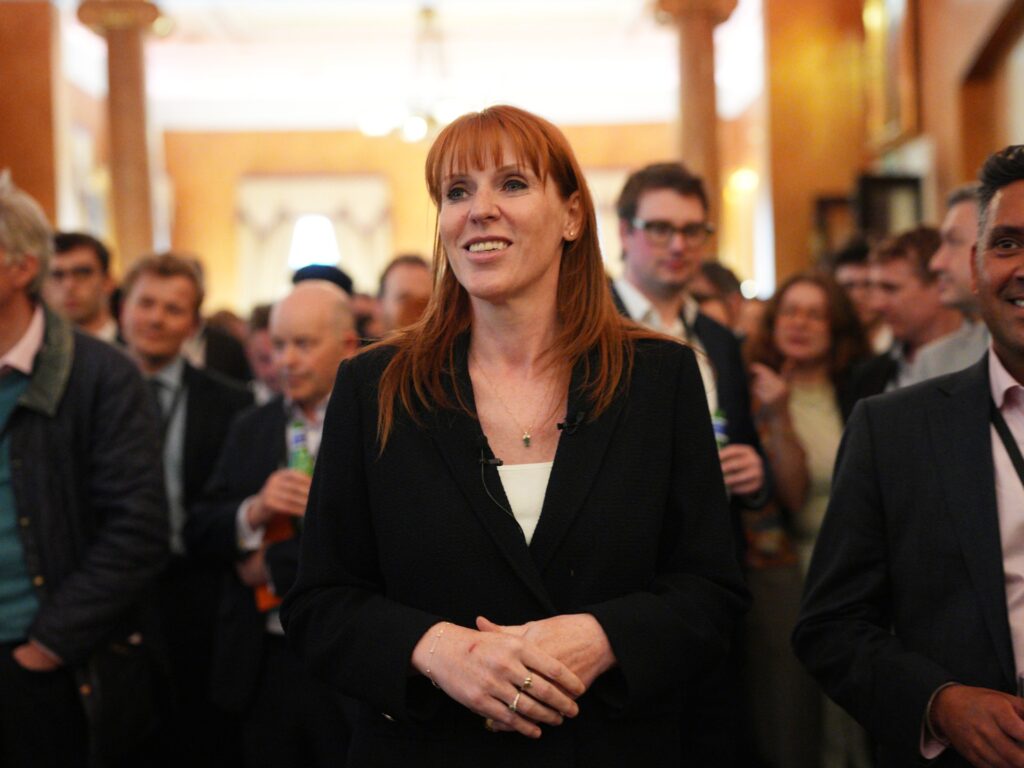
Firstly, the most obvious challengers typically come from within the Labour Party itself. Prominent senior MPs who have previously held cabinet roles or demonstrated strong leadership skills may see the current circumstances as a chance to present alternative visions. Individuals such as Angela Rayner, the Deputy Leader of the Labour Party, have been named in political discussions, though whether she would officially challenge is uncertain. Other influential party members with an eye on leadership might include figures from the shadow cabinet who have gained public recognition and support.
Beyond internal Labour debates, the Conservative Party’s situation is equally critical in shaping the overall competition for the prime minister role. With recent instability and leadership shifts in the Conservative ranks, some MPs and emerging leaders within the party might also position themselves as viable candidates if general elections are triggered or if there is a period of political flux.
Additionally, smaller parties and independent figures, while less likely to secure the prime ministership, may influence the leadership dynamics. Alliances or shifts in parliamentary support could pressurize the main parties to reconsider leadership arrangements or policy directions.
Keir Starmer’s promise of change centers around reinvigorating the Labour Party’s policies, strengthening the UK’s economic framework, and addressing key public concerns such as healthcare, education, and climate change. His approach aims to reconcile differing factions within the party and appeal to a broader voter base.
The leadership challenge context also highlights the pressures within the Labour Party to maintain unity and focus on long-term goals. The threat of internal contests often pushes leaders to accelerate policy delivery and enhance public communication. Starmer’s strategy involves balancing reformist agendas with pragmatic politics, seeking to present a credible alternative to the ruling Conservative government.
Observers note that the evolving political scenario in the UK remains highly fluid. With potential candidates weighing their options amidst party politics and public opinion, the months ahead could see unexpected developments. Political analysts emphasize that the success of any leadership challenge will depend greatly on party support, public approval, and strategic campaigning.
In conclusion, while Keir Starmer remains a formidable figure within British politics, the possibility of leadership challenges looms due to ongoing demands for change and electoral dynamics. Labour Party insiders and opposition figures alike are preparing for a period that could redefine the UK’s political direction. Meeting the candidates who might contest Starmer’s role as prime minister provides important insight into the future shape of the country’s governance and policy priorities.