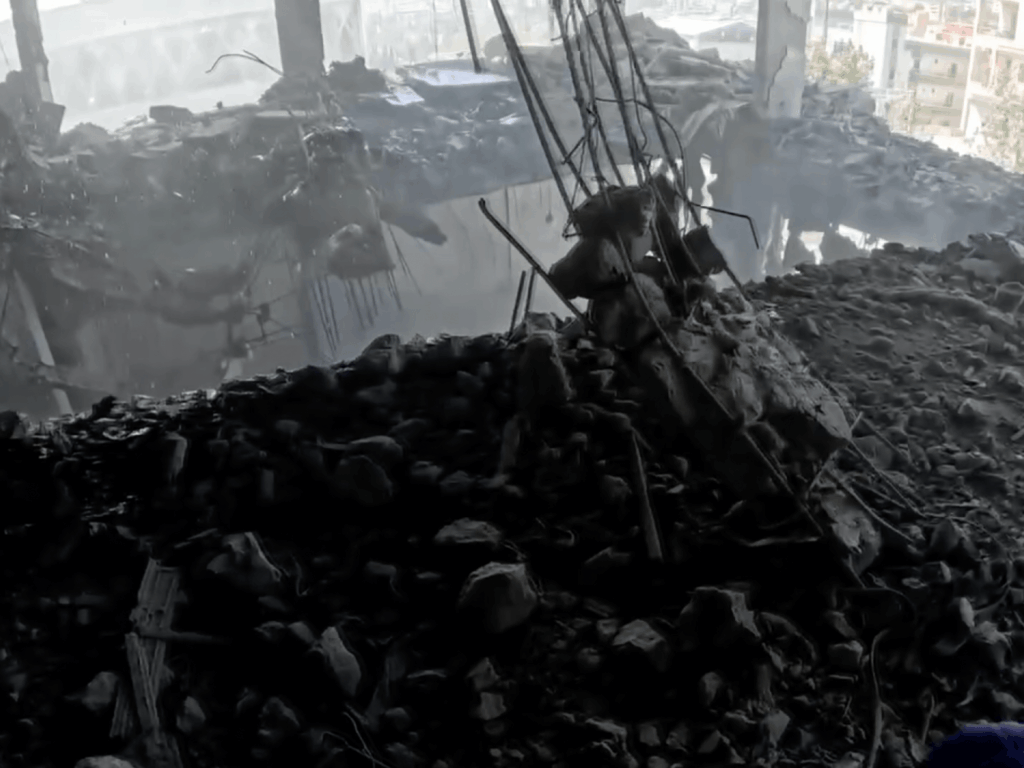
A Lebanese civil defence worker recently captured harrowing footage of an Israeli strike targeting a rescue operation in southern Lebanon. This moment vividly illustrates the dangerous conditions faced by rescue teams working in the region amid ongoing tensions.
The incident occurred in a southern Lebanese area where civil defence teams were responding to an emergency situation. The strike disrupted their rescue efforts, adding to the complexities and risks inherent in carrying out humanitarian work in conflict zones.
The footage taken by the Lebanese civil defence worker has been circulated widely, drawing attention to the severity and immediacy of the conflict’s impact on civilians and emergency responders alike. It serves as a stark reminder of the volatile nature of the region where humanitarian operations often take place under threat of violence.
Southern Lebanon has historically been a flashpoint in the Israel-Lebanon conflict, with periods of escalated military activity and airstrikes causing extensive damage to infrastructure and loss of life. The ongoing hostility accentuates the vulnerability of both residents and civil defence personnel who are on the front lines helping those in need.
Human rights groups and international observers have expressed concern over attacks on rescue teams, emphasizing the need for the protection of humanitarian workers and the importance of maintaining safe corridors for aid delivery and emergency services. The destruction of rescue operations not only hampers immediate relief efforts but also undermines long-term peace and stability in the area.
The captured moment serves as both a documentation of the immediate reality and a call to the global community to increase efforts towards conflict resolution and the safeguarding of aid workers. As the people of southern Lebanon continue to endure the consequences of violence, the role of civil defence and humanitarian responders remains crucial but increasingly perilous.
In such conflict zones, the protection of civil defence teams and safe passage for humanitarian missions require urgent attention from all parties involved. This event reiterates the critical nature of adhering to international laws that protect civilians and aid workers in times of armed conflict.
The ongoing struggle in southern Lebanon highlights the complexity of Middle Eastern geopolitics and the human cost of persistent regional conflicts. Media coverage and eyewitnesses like the Lebanese civil defence worker play an essential role in bringing these realities to light, ensuring they are not forgotten amid the broader narratives.
Overall, the footage is a powerful testament to the bravery and dedication of civil defence workers, who risk their lives daily to save others in increasingly dangerous conditions, and it underscores the urgent need for a peaceful resolution to prevent further harm in this volatile region.