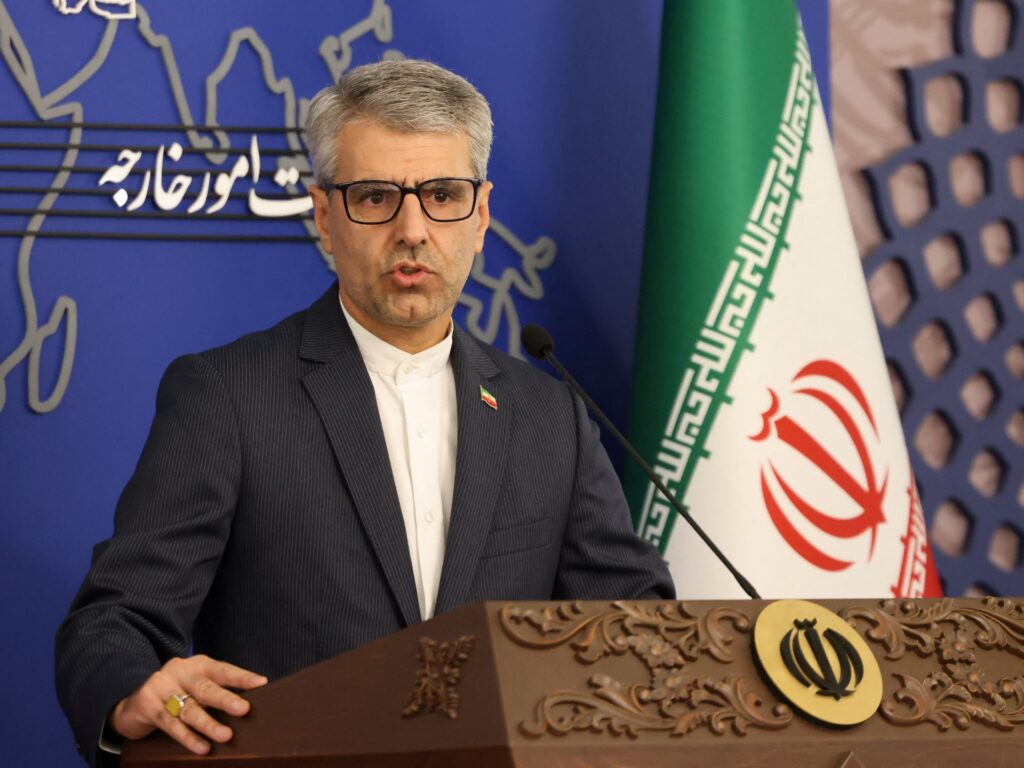
Amid ongoing efforts to resolve the war, Iran has voiced strong criticism against the United States, accusing Washington of making “unreasonable” demands during the negotiation process. Esmaeil Baghaei, the spokesman for Iran’s Foreign Ministry, described Iran’s latest proposal as generous, particularly highlighting the country’s offer to end the conflict and ensure the reopening of the strategic Hormuz Strait.
The Hormuz Strait, a vital chokepoint through which a significant portion of the world’s oil supply passes, has been a focal point of international concern. Iran’s willingness to facilitate unimpeded passage through this narrow waterway is seen as a critical element in calming regional tensions and stabilizing global energy markets.
Baghaei emphasized that Iran’s proposals aim to bring about a swift and peaceful resolution to the conflict, reflecting Tehran’s desire to move beyond years of hostilities. However, he expressed frustration with what he termed the “unreasonable” conditions set forth by the United States, which he claims undermine progress and complicate the resolution process.
These statements come at a time when diplomatic channels are heavily engaged, with international actors urging both sides to find common ground. The negotiations have been marked by deep-seated mistrust and conflicting interests, making breakthroughs difficult but all the more crucial.
Iran’s stance underscores a strategic communication effort to position itself as a reasonable and constructive party willing to compromise, despite the ongoing challenges. The US demands, according to Iranian officials, appear to extend beyond simple conflict resolution, involving broader geopolitical issues that Iran finds unacceptable.
This impasse highlights the complexities involved in resolving the war, where regional security, economic interests, and international diplomacy intersect. Observers note that the success of negotiations will depend heavily on the willingness of both Iran and the United States to moderate their positions and engage in genuine dialogue.
As the world watches closely, the outcome of these negotiations will have significant implications not only for the Middle East but also for global peace and stability. The international community continues to call for de-escalation and a sustainable peace framework that respects the sovereignty and security concerns of all parties involved.
In summary, Iran’s Foreign Ministry spokesman Esmaeil Baghaei has articulated dissatisfaction with the US approach to the ongoing negotiations, labeling the American demands as “unreasonable”. Iran asserts that its proposal to end the war and reopen the Hormuz Strait is both generous and aimed at facilitating peace. The situation remains fluid, with hopes pinned on diplomatic engagement to overcome the current stalemate and achieve a durable resolution to the conflict.