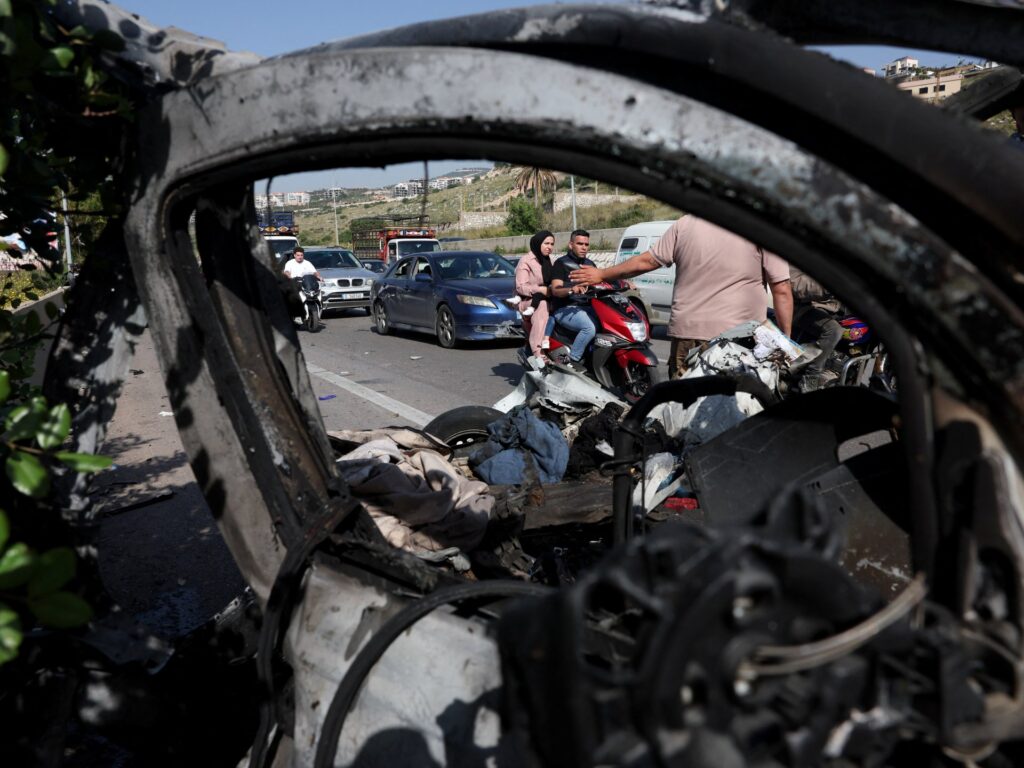
In a troubling escalation of violence, Israeli military operations across Lebanon have resulted in the deaths of at least 23 people, marking a significant increase in hostilities despite a recent ceasefire agreement brokered by the United States. The ceasefire, intended to halt the violence and establish calm between the conflicting parties, has not been fully effective, as attacks continue unabated.
The recent surge in military strikes has predominantly targeted areas in southern Lebanon, leading to widespread destruction and casualties among civilians and fighters alike. Eyewitness accounts and official sources have reported heavy bombardment and aerial attacks by Israeli forces, which have compounded the already dire humanitarian situation in the region.
This unyielding offensive comes amid preparations for a new round of diplomatic talks scheduled for next week, aimed at reducing tensions and reviving peace efforts in the volatile Middle Eastern region. Despite the diplomatic initiatives, ground realities have shown little improvement, raising concerns about the effectiveness of ceasefire agreements without strong enforcement and political will.
The international community has expressed growing alarm over the deteriorating security conditions. Calls for restraint and adherence to international law, including the protection of civilians in conflict zones, have become more urgent as casualties mount. Humanitarian groups highlight the immediate need for assistance to those affected by the disruptions, including displaced families and injured persons requiring medical care.
Analysts suggest that the persistent violence may stem from deep-rooted political and territorial disputes that have long plagued Israeli-Lebanese relations. The intermittent peace agreements and ceasefires have frequently been punctuated by outbreaks of violence, underscoring the challenges in achieving lasting peace.
The demand for renewed diplomatic engagement is underscored by the continuing loss of life and destruction of infrastructure. The scheduled talks next week will be a critical juncture for regional stakeholders and international mediators seeking to foster dialogue and negotiate a durable ceasefire.
As the situation evolves, monitoring the developments in Lebanon remains crucial for understanding the broader implications for Middle Eastern stability. The ongoing conflict not only affects the immediate region but also risks exacerbating geopolitical tensions involving neighboring countries and global powers.
For the people on the ground, the hope is for a swift end to hostilities and a return to peace that ensures safety, security, and normalcy. Until then, vigilance, humanitarian support, and diplomatic engagement will be essential components of the international response to this escalating crisis.