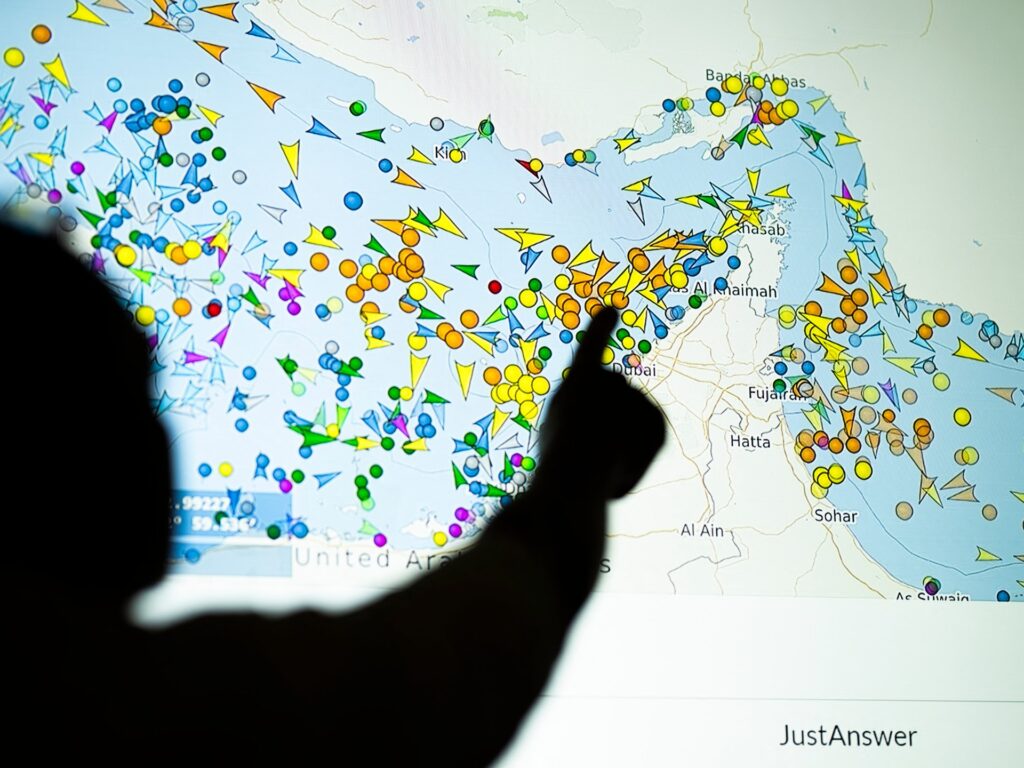
Iran has recently underscored the strategic significance of the Strait of Hormuz amid ongoing discussions with the United States, emphasizing the strait’s critical role in global energy supplies and economic stability. A prominent Iranian politician articulated that the strait represents ‘a capability that can affect the entire global economy with a single decision,’ likening its importance to the impact level of an atomic bomb due to the extensive influence it wields over international trade.
The Strait of Hormuz, a narrow waterway between the Persian Gulf and the Gulf of Oman, is one of the world’s most vital maritime chokepoints. It serves as a major transit route for approximately 20% of the world’s petroleum, making it indispensable for energy security for many countries, especially those heavily reliant on oil imports.
Iran’s recent statements come as tensions persist between Tehran and Washington, with ongoing negotiations attempting to address a range of geopolitical and security concerns. By highlighting the strategic leverage presented by the Strait of Hormuz, Iran aims to reinforce its position in these talks and assert its influence over a key global economic artery.
Analysts note that Iran’s emphasis on the strait’s significance serves multiple purposes. It acts as a signal to international stakeholders about Tehran’s capability to disrupt critical supply chains if necessary, a reminder of the power dynamics at play in the region. The comparison to an atomic bomb underscores the immense potential reach of any action taken related to this maritime passage.
Historically, the Strait of Hormuz has been a flashpoint for conflict and diplomatic maneuvering. Previous incidents involving the interception of oil tankers and military posturing have brought attention to vulnerabilities in this narrow corridor. Given that the strait is only about 21 miles wide at its narrowest point, even minor disruptions can have outsized consequences on global markets.
The international community has consistently expressed concern over the stability of the Strait of Hormuz. Many nations advocate for freedom of navigation and the security of this passage in order to ensure uninterrupted energy flows and maintain economic stability.
Iran’s messaging highlights the delicate balance of power in the Persian Gulf region, where multiple countries have vested interests in maintaining peace and security to protect their energy exports and regional influence.
As negotiations with the United States continue, observers warn that any misstep could escalate tensions, potentially impacting global energy prices and economic conditions worldwide. Maintaining open communication channels and diplomatic engagement is seen as vital to de-escalating risks associated with the strait.
In conclusion, Iran’s recent remarks emphasize not only the geopolitical importance of the Strait of Hormuz but also its capability as a strategic lever affecting the global economy profoundly. This underscores the necessity for careful diplomatic navigation surrounding this critical maritime passage to ensure continued stability and security in international trade.