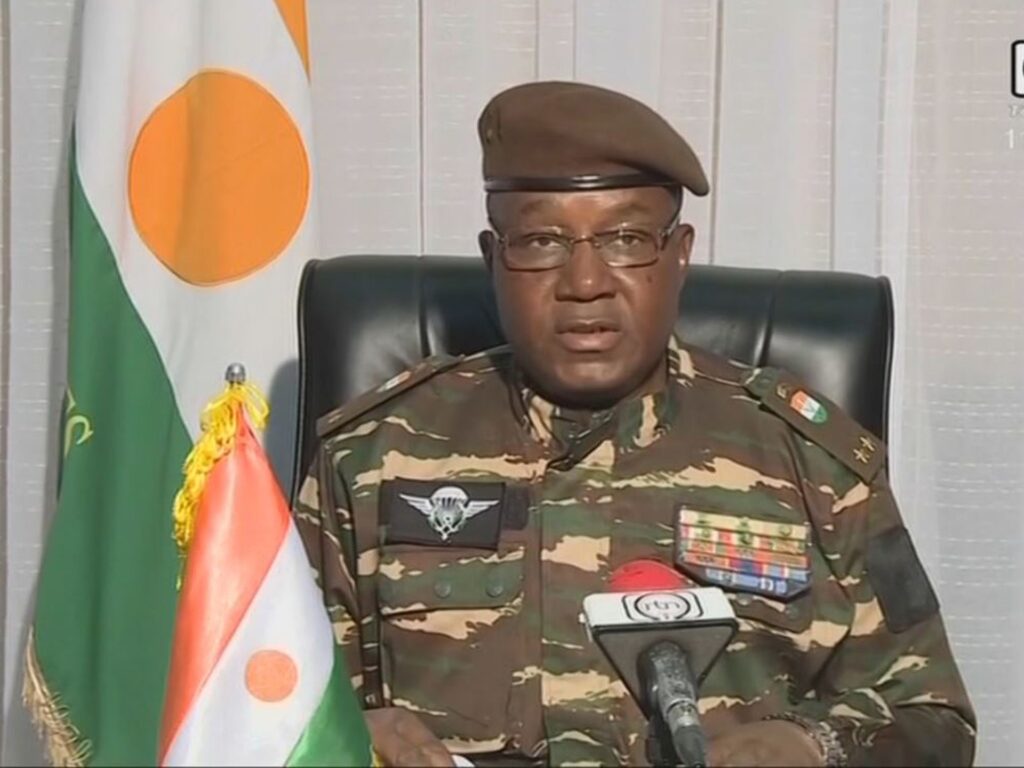
In a significant and contentious development, Niger’s military government has suspended the operations of nine French media organizations operating within the country. This move, which has stirred vigorous debate and international concern, is part of a broader pattern of media restrictions that have intensified since the military seized power in 2023.
The suspended media bodies include a mix of prominent French news agencies and television broadcasters which have been reporting extensively on the political situation in Niger. The government alleges that these media outlets have been disseminating misinformation and activities that could destabilize the nation during this sensitive period.
This decision has been met with sharp criticism from various international watchdogs dedicated to press freedom and journalistic integrity. These organizations describe the measures as ‘abusive’ and part of a disturbing trend of suppressing free press under the guise of national security. They warn that such actions not only curtail freedom of expression but also hinder the public’s right to unbiased and comprehensive information.
Since the military coup in 2023 that overthrew the previous civilian government, Niger has witnessed a tense atmosphere with heightened censorship and control over information. Dozens of local and foreign journalists have faced bans, restrictions, and intimidation tactics, severely impacting the landscape of independent media in the nation.
The authorities justify their clampdown by highlighting concerns over national stability and security amidst ongoing political turmoil and regional insurgencies. However, critics argue that the government’s approach disproportionately targets media scrutiny and stifles dissenting voices.
This crackdown has broader implications for democracy and human rights in Niger. Media freedom is widely recognized as a cornerstone of democratic societies, enabling the public to make informed decisions and hold power accountable. The restriction of media operations potentially undermines these democratic principles.
International bodies and press freedom advocates have called on Niger’s military leadership to reconsider their actions and engage in dialogue with media entities. They emphasize the importance of safeguarding journalistic work and fostering an environment where the press can operate without fear of retaliation.
The suspended French media groups and other international observers continue to monitor the situation closely while advocating for the restoration of media freedoms in Niger.
Observers note that Niger’s case is part of a growing global concern where authoritarian regimes increasingly curtail media freedoms under various pretexts. This trend poses challenges not only to local populations but to the international community committed to upholding human rights and democratic governance.
As Niger navigates its political future, the role of the independent press remains critical. The events surrounding the suspension of French media bodies serve as a stark reminder of the ongoing struggles facing journalists worldwide and the vital need to defend press freedom in all regions.