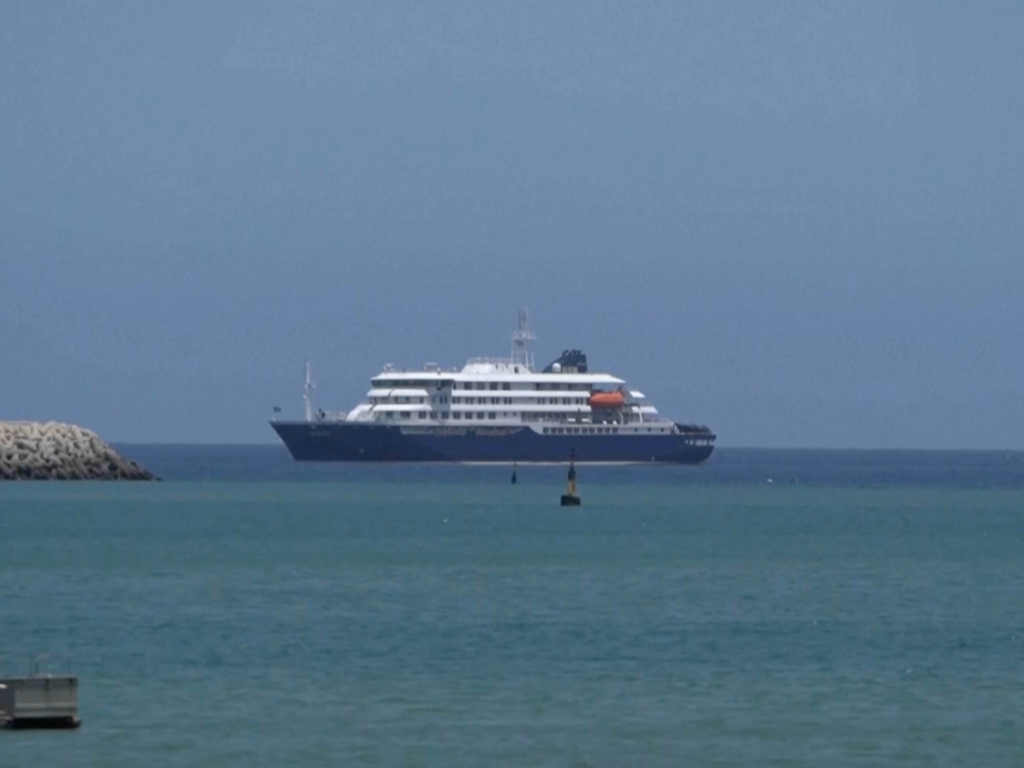
The European Union has announced that it is closely monitoring an outbreak of suspected hantavirus cases on board the Dutch cruise ship MV Hondius. This action comes amid growing concerns about the spread of the virus among passengers and crew members during the voyage.
Hantavirus is a serious illness caused by infection with hantaviruses, typically transmitted to humans through contact with rodent urine, droppings, or saliva. Symptoms can range from mild flu-like signs to severe respiratory issues and even life-threatening conditions.
The MV Hondius, operated by a Dutch cruise line, has reported several cases of illness among passengers that health officials believe could be linked to hantavirus. Authorities are investigating the situation to confirm the diagnosis and assess the extent of the outbreak. The health and safety of all guests and crew members are the top priorities.
The European Centre for Disease Prevention and Control (ECDC) is actively involved in monitoring the outbreak. It is coordinating with national health authorities in the Netherlands and other EU member states to track potential spread and provide guidance on containment measures. The aim is to prevent further transmission and ensure that affected individuals receive proper medical care.
Public health experts emphasize the importance of early detection and immediate response in managing hantavirus outbreaks. Passengers who have been on the MV Hondius or who develop symptoms such as fever, muscle aches, and respiratory difficulties after the cruise are advised to seek medical attention promptly.
This incident highlights the increased challenges of managing infectious diseases in settings like cruise ships, where close quarters and international travel can facilitate the spread of pathogens. The EU continues to monitor the situation closely and will release updates as more information becomes available.
Authorities also urge the public to maintain good hygiene practices and avoid contact with rodents and their excreta, which are common sources of hantavirus infection. Enhanced sanitation measures on the ship and thorough inspection for rodent presence are part of the ongoing response efforts.
The outbreak serves as a reminder of the importance of vigilance and preparedness in the global health landscape, especially in travel and tourism sectors that involve large groups of people in confined environments. The EU’s proactive monitoring aims to mitigate risks and protect public health as investigations proceed.
Further developments will be communicated to the public and relevant stakeholders to ensure transparency and support preventive actions. The cooperation between EU agencies, member states, and the cruise operator is crucial for an effective response to this public health concern.