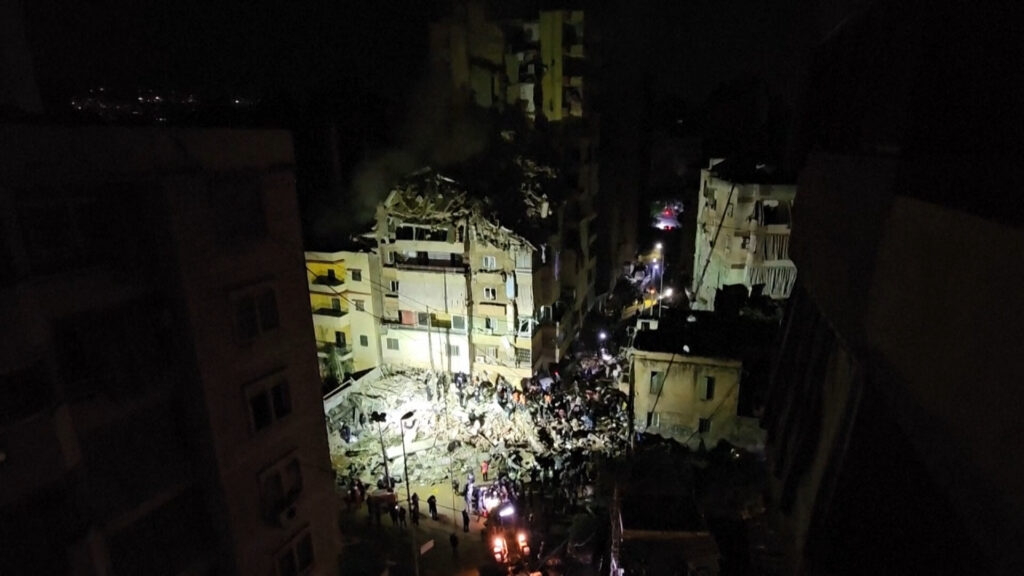
In a surprising escalation, Israel bombed the southern suburbs of Beirut for the first time since the ceasefire agreement took effect on April 17. This attack marks a significant development in the ongoing tensions between Israel and Lebanon, as both sides have been observing the ceasefire for several weeks.
The southern suburbs of Beirut, a region predominantly inhabited by supporters of Hezbollah, have historically been a focal point of clashes between Israeli forces and Lebanese militant groups. The recent bombing disrupted the fragile calm that had been maintained since the ceasefire came into effect.
The ceasefire, brokered through intense international diplomacy, aimed to halt hostilities that erupted several months ago. Both parties had agreed to stop attacks and rocket launches, hoping to pave the way for a longer-term peace agreement. However, the recent Israeli airstrikes threaten to unravel these efforts.
Sources indicate that the Israeli military targeted what it described as “strategic militant positions” in the southern Beirut suburbs. The strikes resulted in several casualties and caused damage to infrastructure in the area. Lebanese officials condemned the attack, calling it a violation of the ceasefire terms and an act of aggression.
The timing of the bombing has raised concerns among international observers, with many fearing it could ignite a fresh wave of conflict in the region. Diplomatic circles are urging both sides to exercise restraint and return to negotiations.
This latest attack follows a period of relative calm, during which humanitarian organizations worked to assist civilians affected by previous rounds of conflict. The renewed violence threatens to displace more families and exacerbate the humanitarian crisis already present in Lebanon.
Israeli officials have stated that the operation was a defensive measure against perceived threats, emphasizing the need to protect their national security. Conversely, Lebanese leaders have vowed to respond to any further attacks, warning of potential retaliation.
The international community, including the United Nations and key regional actors, is closely monitoring the situation. Talks are underway to de-escalate tensions and reinforce the ceasefire agreement.
As both nations grapple with the consequences of the latest bombing, hopes remain for a peaceful resolution to the longstanding conflict. The coming days will be critical to determining whether diplomatic efforts can withstand this latest challenge or if the region will slip back into full-scale hostilities.