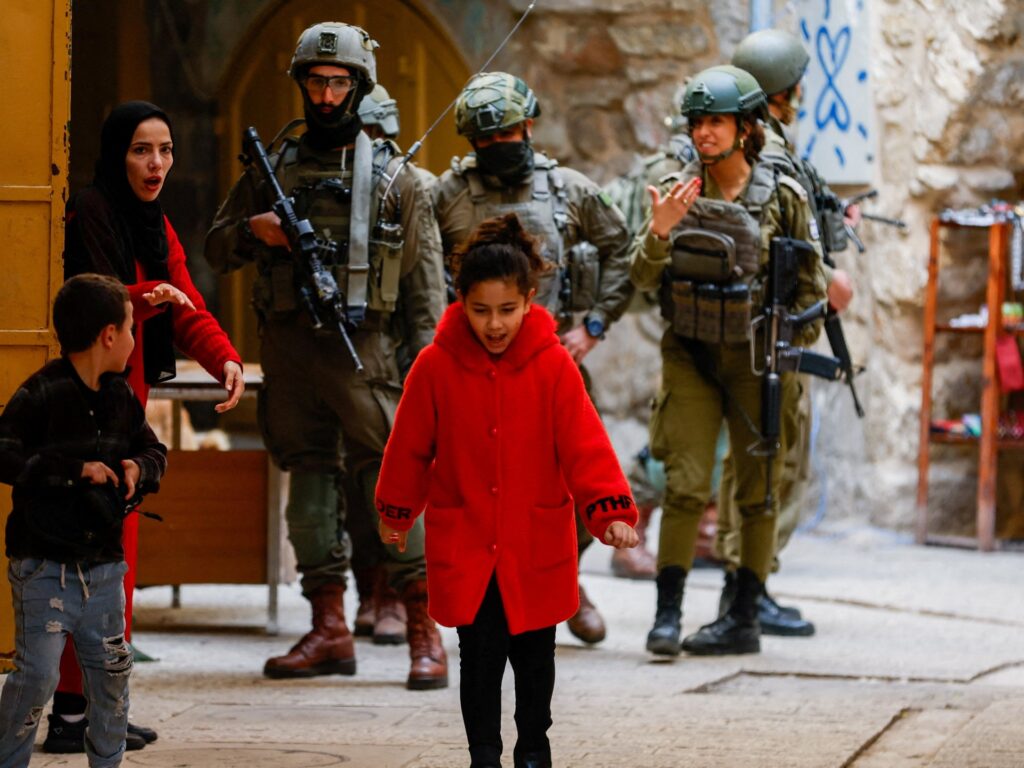
Recent leaks from a high-ranking Israeli military officer stationed in the West Bank have sparked international outrage and heated debates over the alleged existence of a double standard in the Israeli army’s use of force policies. The controversial documents purportedly reveal that the Israeli military employs a two-tier firing policy that differentiates between Palestinians and Israeli settlers, fostering accusations of endemic prejudice and institutional bias.
The leaked information reportedly includes directives suggesting harsher rules of engagement against Palestinians, while Israeli settlers, often involved in confrontations, are subjected to more lenient treatment. This alleged disparity has brought renewed attention to the ongoing conflict in the region, the military’s role in policing it, and the broader implications for human rights and justice.
According to the leaks, orders from the head of the Israeli army’s West Bank command advocate for a more aggressive approach toward Palestinians suspected of involvement in violence, contrasting starkly with policies that limit action against settlers accused of similar offenses. Critics argue that this double standard undermines the principles of equality and legal fairness, exacerbating tensions and contributing to a cycle of violence.
Human rights organizations and political commentators have condemned the reported policies, calling for investigations and accountability measures. They emphasize that such discriminatory practices, if confirmed, violate international law standards and further entrench systemic discrimination.
The Israeli government has yet to issue a definitive response to the leaks, but the military command previously stated that all security operations are conducted in accordance with Israeli law and international obligations. The controversy underscores the complexities of maintaining security in a deeply divided territory, where competing narratives and ethnic tensions challenge the pursuit of peace and justice.
This revelation not only highlights the problematic aspects of military conduct but also raises urgent questions about the overall strategy and ethics guiding the Israeli-Palestinian conflict management. Analysts suggest that addressing these disparities is essential to fostering trust, reducing violence, and moving toward a more equitable resolution.
As the international community closely watches the developments, the leaked orders serve as a stark reminder of the entrenched challenges in conflict zones and the critical need for transparency, fairness, and respect for human rights in any efforts to resolve longstanding disputes.