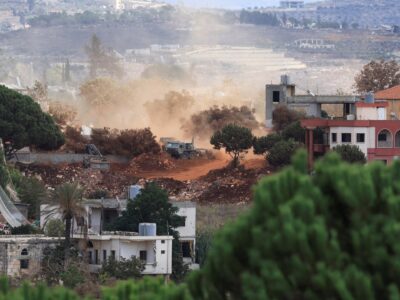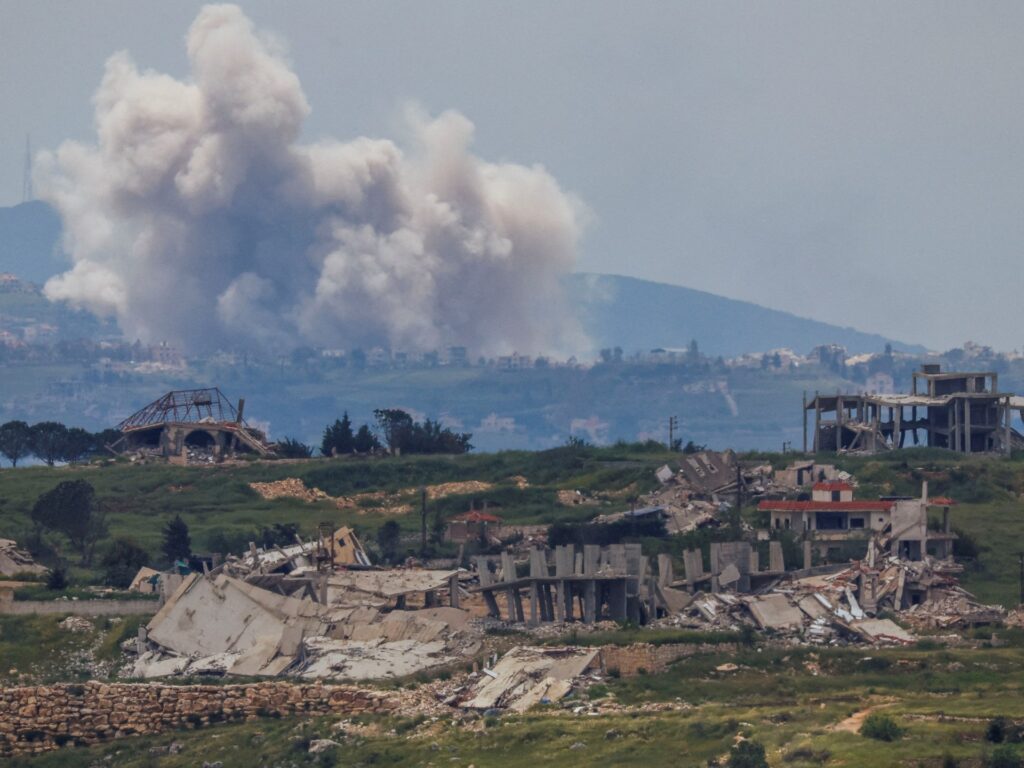
The ongoing conflict between Israel and Lebanon has escalated as recent Israeli military operations in southern and eastern Lebanon have resulted in the deaths of at least six people. These attacks mark a significant intensification in the hostilities in the region, raising international concerns over the humanitarian impact and the potential for further escalation.
The Israeli Defense Forces conducted a series of airstrikes and artillery bombardments targeting various locations in southern Lebanon, an area known for its strategic importance and proximity to the Israeli border. These strikes also extended to parts of eastern Lebanon, a region that has traditionally been more volatile due to its diverse population and geographical complexities.
The fatalities include both combatants and civilians, highlighting the tragic toll that the conflict is taking on non-combatant populations. Emergency services in Lebanon have reported difficulties in accessing some of the hardest-hit areas due to ongoing military operations and security concerns.
In addition to the military assaults, the Israeli government has issued forced displacement orders affecting 12 villages in southern Lebanon. These orders compel residents to evacuate their homes, citing security reasons linked to the ongoing conflict. The displaced communities face considerable challenges, including finding shelter, access to basic services, and the psychological trauma associated with sudden displacement.
The forced displacement orders represent a severe disruption to the lives of thousands of Lebanese citizens, exacerbating an already dire humanitarian situation in the country. Aid organizations have called for immediate international intervention to provide relief and protect the rights of those affected.
International reactions to the escalation have been mixed, with some countries condemning the Israeli attacks and displacement orders as violations of international law, while others have emphasized Israel’s right to defend itself against threats emanating from Lebanese territory.
The Lebanese government has condemned the attacks and displacement orders, calling for an urgent ceasefire and the restoration of peace. Lebanese officials have appealed to the United Nations and other international bodies to intervene and help de-escalate the situation.
The recent developments in Lebanon come amid a fragile ceasefire that had been holding since previous rounds of conflict. Analysts warn that without concerted diplomatic efforts, the situation could deteriorate further, leading to broader regional instability.
Human rights organizations have voiced concern over the impact of the violence and displacement on vulnerable populations, including women, children, and the elderly. They have urged immediate measures to protect civilians and ensure humanitarian access to all affected areas.
As the situation develops, the international community is closely monitoring the conflict, with calls for renewed dialogue and negotiations to halt the violence and address the underlying issues driving the conflict.
The ongoing violence underscores the complex and enduring nature of tensions in the Israel-Lebanon border region, where historical grievances, political rivalries, and security concerns intersect to create a volatile environment with grave consequences for local populations.
Efforts to broker peace remain challenging amid mutual distrust and ongoing hostilities, emphasizing the need for sustained international engagement to foster a durable resolution to the conflict.
The impact of the attacks and displacement highlights the urgent need for humanitarian assistance and the protection of human rights in conflict zones, reinforcing the importance of upholding international law and norms in times of crisis.