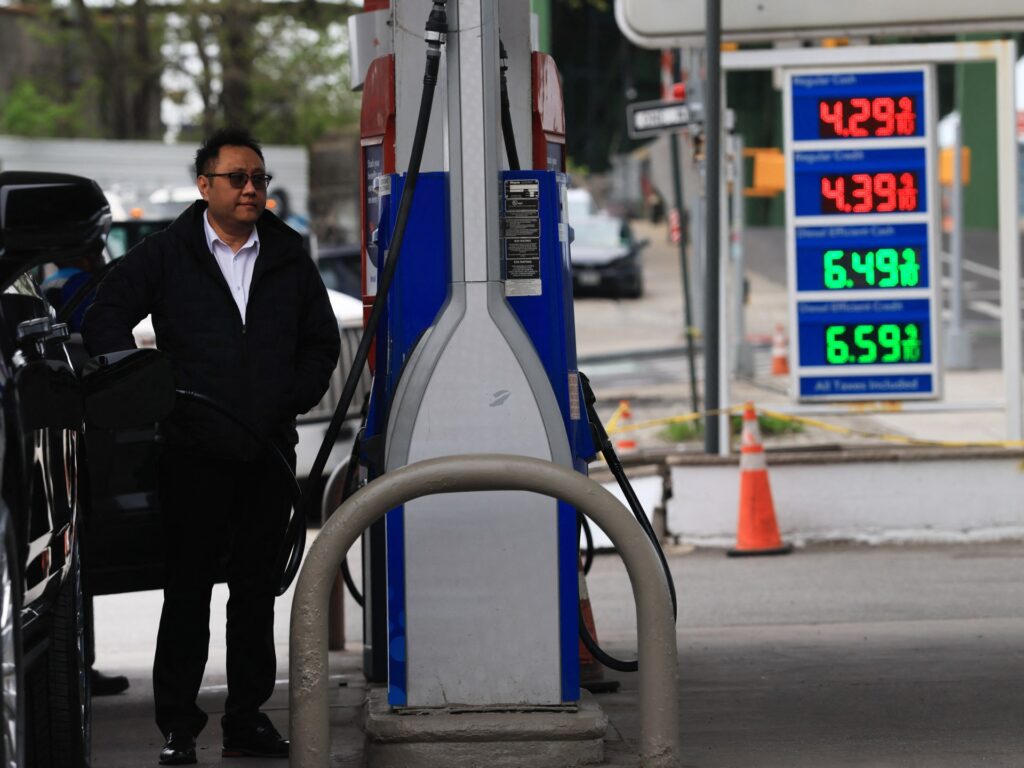
The United States is currently witnessing a significant surge in petrol prices, with the latest data from AAA indicating that the average price per gallon stands at $4.48. This marks an increase of nearly 50 percent compared to prices before the onset of the conflict involving Iran. The war has had a profound impact on global oil markets, disrupting supply chains and intensifying fears of shortages. As a result, consumers across the US are feeling the strain at the pumping stations, as the cost to fill up their vehicles rises sharply.
Experts attribute the price hike to a combination of geopolitical tensions and market reactions. Iran, being a pivotal player in the oil-producing region, influences global crude prices whenever instability occurs. The conflict has exacerbated existing concerns about Middle Eastern oil production, prompting traders to bid up prices in anticipation of constrained supplies. Moreover, the war has led to increased risk premiums on oil shipments passing through crucial chokepoints like the Strait of Hormuz, further driving up costs.
The repercussions of escalating petrol prices extend beyond personal transportation budgets. Higher fuel costs inevitably feed into the broader economy by increasing transportation expenses for goods and services. This, in turn, can trigger inflationary pressures across various sectors, burdening consumers with higher prices on everyday items.
In response, the government and industry stakeholders are exploring measures to mitigate the impact on consumers. Strategies include tapping into strategic petroleum reserves to bolster supply temporarily and encouraging fuel conservation practices. Analysts emphasize the importance of diversifying energy sources and enhancing domestic production capabilities to build resilience against international disruptions.
The ongoing situation underscores the interconnectedness of global politics and energy markets, revealing how conflicts far from home can have immediate and tangible effects on consumers’ wallets. For motorists, the current price levels serve as a stark reminder of the vulnerabilities inherent in reliance on foreign oil amidst geopolitical uncertainties.
As the conflict persists, monitoring developments will be crucial in anticipating further fluctuations in petrol prices. Meanwhile, consumers are advised to stay informed and consider alternative transportation options where feasible to manage rising fuel expenses effectively.