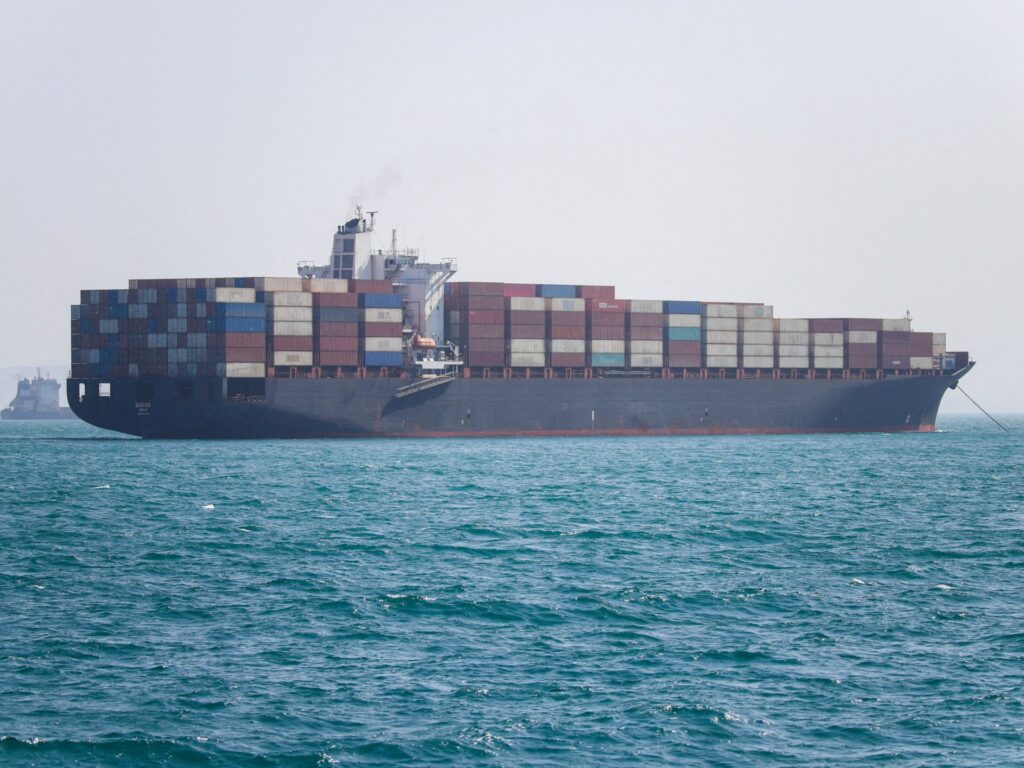
The United States has announced a pause in its military operation that involved guiding and escorting commercial ships through the strategically vital Strait of Hormuz. This narrow waterway, located between the Persian Gulf and the Gulf of Oman, is one of the world’s most important chokepoints for oil transport, with a significant portion of global oil shipments passing through it daily.
The decision to halt the operation was confirmed by former President Donald Trump, who stated that the US military presence tasked with ensuring the safe passage of vessels would temporarily cease its escort missions. This move marks a significant shift in the US approach to securing maritime navigation in this critical region.
The naval escort program was initially established amidst rising tensions and threats of attacks on commercial shipping in the area, aiming to deter hostile actions and reassure global markets of the uninterrupted flow of oil and goods. However, recent developments and strategic recalibrations have led to this pause in direct US military involvement.
The Strait of Hormuz remains a focal point for geopolitical tensions due to the interests of regional powers and the global reliance on the energy supplies that transit through it. The US had maintained a naval presence to counter perceived threats from Iran, which has periodically threatened to close the strait in response to international sanctions and confrontations.
The suspension of the escort operation does not necessarily mean a complete withdrawal from the region by the US Navy. Analysts suggest that the US may be shifting toward different forms of engagement or multilateral cooperation with allies to address security concerns.
International maritime organizations and shipping industries have expressed cautious optimism regarding the pause, emphasizing the importance of continued vigilance and alternative security measures to prevent disruption in the waterways.
This change in US policy comes amid broader diplomatic efforts and negotiations related to Iran’s nuclear program and regional security dynamics. It may also reflect a strategic recalibration aimed at reducing direct military confrontations while maintaining pressure through other channels.
In summary, the US decision to pause its military escort operation in the Strait of Hormuz highlights evolving strategies in managing one of the world’s most critical and sensitive maritime passages. While the pause may reduce immediate military footprints, the underlying security challenges in the region persist, necessitating ongoing international attention and cooperation.