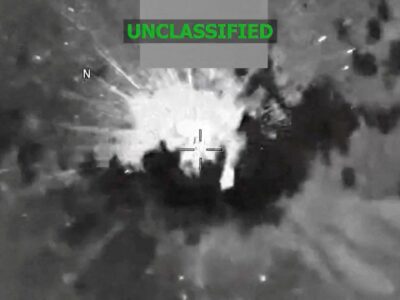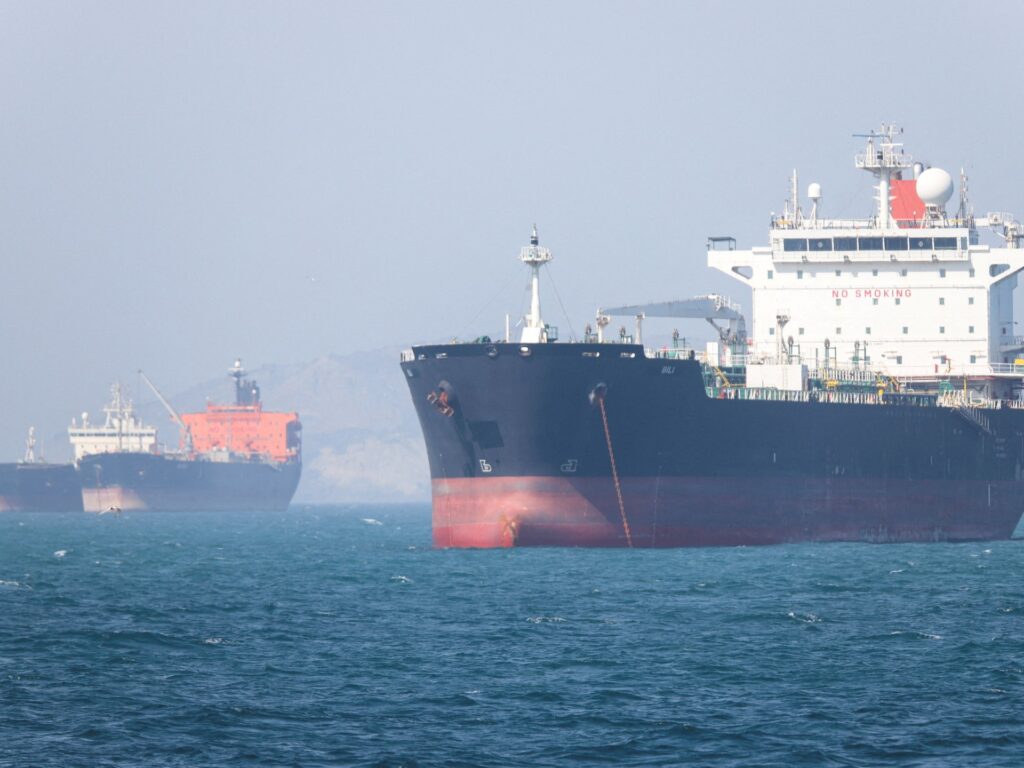
Tensions in the strategically critical Hormuz Strait have escalated sharply as military and political rhetoric heightens fears of a possible conflict. The US military has declared its intention to encourage international shipping to continue passing through the Hormuz Strait, a major artery for global oil shipments, despite the increasingly fraught atmosphere. Meanwhile, Iran asserts its full control over the waterway, signaling a firm stance against what it perceives as aggressive US maneuvers in the region.
The situation has driven already fragile talks on a potential ceasefire to the brink of collapse as diplomatic efforts struggle under the pressure of mounting threats. The Strait of Hormuz, located between the Persian Gulf and the Gulf of Oman, is one of the world’s most vital chokepoints for the transportation of crude oil. Around a third of all seaborne oil exports pass through its narrow channel, making stability in the area a major concern for the international community.
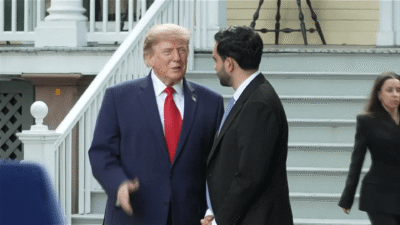
Recently, US President Donald Trump issued stark warnings to Iran, intensifying the rhetorical confrontation. His administration’s stance is supported by an increased naval presence aimed at safeguarding the free flow of commerce. US officials have emphasized their commitment to maintaining open sea lanes but have stopped short of specifying what measures might be taken if Iran escalates its assertiveness.
Iranian officials have responded firmly, maintaining that their forces exercise full authority over the Strait and will not tolerate any threats to their sovereignty or interference in the waterway. This posture reflects Tehran’s ongoing frustration with what it views as economic sanctions and military pressure designed to undermine its regional influence.
The diplomatic reverberations of the standoff extend beyond the US and Iran. Regional powers and international stakeholders are closely watching the developments, concerned about the potential impact on global oil markets and regional security. Many countries rely heavily on oil that passes through the Strait of Hormuz, so any disruption could lead to significant economic repercussions worldwide.
Amid these tensions, efforts to revive a ceasefire or negotiate a peaceful resolution have been fraught with complexity. Médiators face the challenge of bridging deep mistrust between the involved parties while managing the broader geopolitical implications. The risk of miscalculations or unintended escalation remains high.
Experts warn that the Strait could become a flashpoint for a larger conflict if diplomatic channels break down entirely. The international community is urged to push for restraint and to support dialogue that could prevent confrontation. The incident exemplifies how regional disputes can rapidly impact global stability, underscoring the need for concerted diplomatic engagement.
In summary, the Hormuz Strait tensions represent a critical juncture in Middle Eastern security. With the US advocating for open navigation and Iran reaffirming strict control, the risk of conflict looms large. The international community remains vigilant, hopeful that ceasefire efforts will succeed before the situation deteriorates beyond repair.