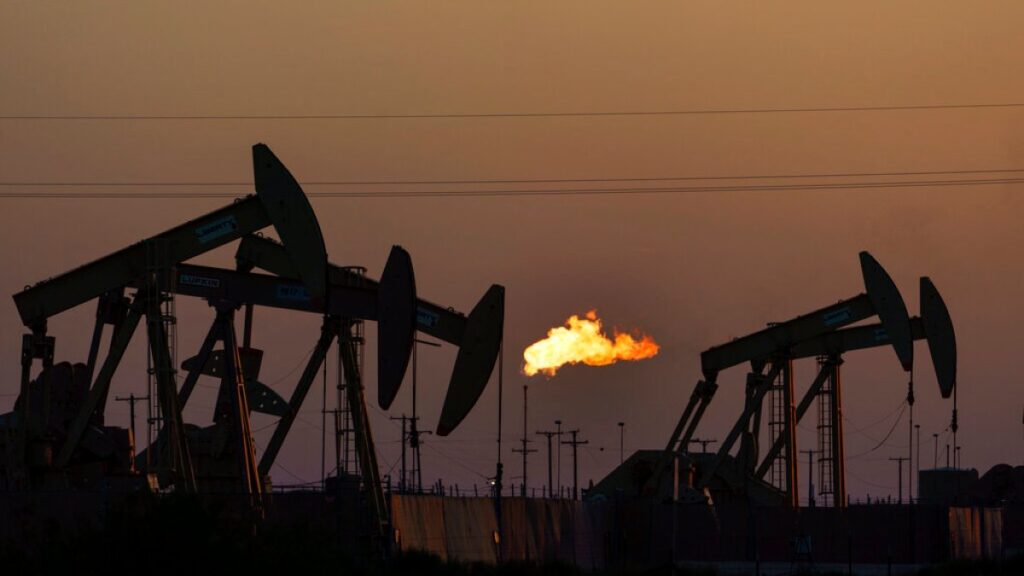
The International Energy Agency (IEA) has released an important report highlighting the critical role of managing methane emissions in addressing both climate change and global energy security. The report underscores that effectively tackling methane emissions could provide a strategic buffer against disruptions in the global energy supply, particularly in the context of the ongoing crisis in Iran.
Methane, a potent greenhouse gas, is known to have a substantial impact on global warming, contributing significantly more to heating the atmosphere than carbon dioxide over a 20-year period. Its primary sources include natural gas operations, agriculture, and waste management. The IEA emphasizes that rapid and coordinated actions to reduce methane emissions could yield immediate benefits for the environment and energy markets.
The report points out that the energy sector, especially oil and gas industries, is a major emitter of methane. Leakage and venting during extraction, processing, and transportation of fossil fuels are key contributors to these emissions. By implementing stricter regulations and adopting advanced detection and mitigation technologies, the energy industry can dramatically reduce its methane footprint.
In light of current geopolitical tensions surrounding Iran, which have created uncertainties in global energy supplies, the IEA suggests that addressing methane emissions could help stabilize the energy market. Reduced methane emissions translate into more efficient use of natural gas resources, less wasted energy, and improved supply reliability.
Climate experts agree that methane mitigation is one of the most cost-effective ways to slow down the rate of global warming in the short term. Since methane remains in the atmosphere for a relatively short time compared to carbon dioxide, cutting emissions offers an immediate climate benefit.
The IEA’s report calls for international cooperation to identify and implement best practices, enhance methane monitoring protocols, and support the development of innovative technologies. This global approach aims to create a synergy between environmental objectives and energy security imperatives.
Moreover, reducing methane emissions aligns with many nations’ commitments under the Paris Agreement and other climate initiatives. Achieving these reductions requires not only government action but also active participation from industry stakeholders.
Analysts note that investments in methane emission control technologies could generate economic opportunities, including job creation in green technology sectors. These investments also help energy companies improve operational efficiency and reduce regulatory risks.
The report concludes that a concerted effort to mitigate methane emissions can serve as a vital component in the broader strategy for sustainable energy transition. It strengthens resilience against supply shocks and supports global climate goals, making methane management a priority on the international agenda.
In summary, the IEA highlights methane emissions reduction as a pivotal element for combating climate change and enhancing energy security, especially amid the volatile energy landscape influenced by the Iran crisis. Prompt action will yield substantial environmental, economic, and strategic benefits worldwide.