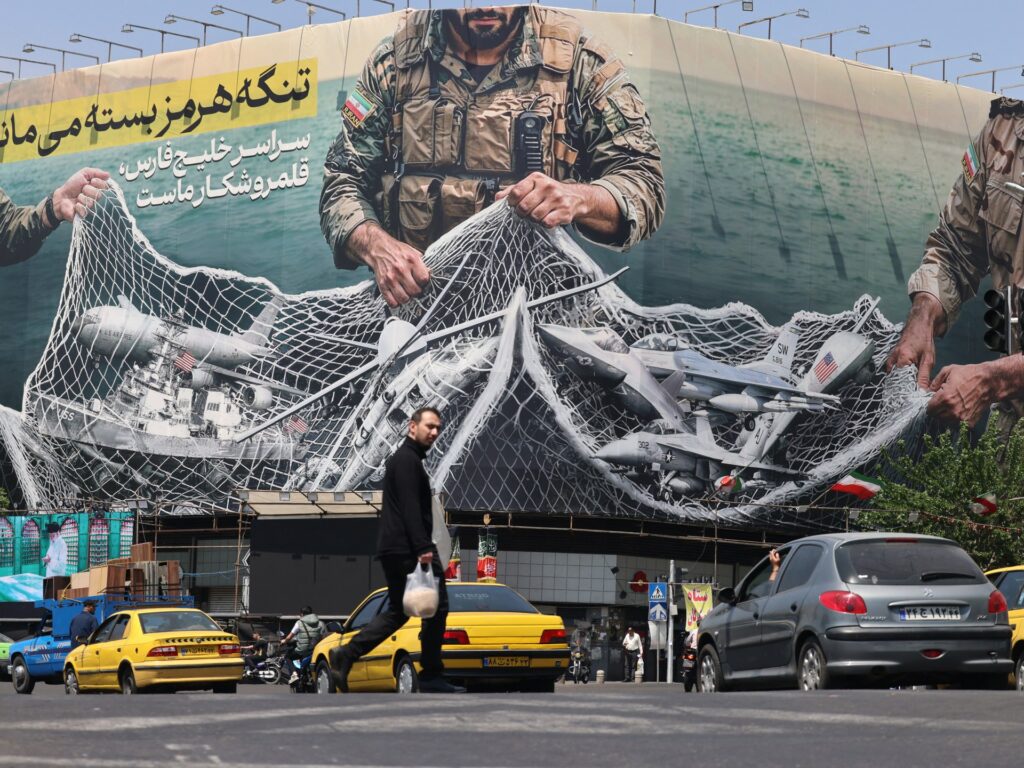
Amid rising tensions in the Persian Gulf, former US President Donald Trump has announced an initiative dubbed ‘Project Freedom,’ aimed at assisting commercial ships trapped in the Strait of Hormuz. This strategic and narrow waterway is vital for global energy supplies, and recent sanctions and military confrontations have led to numerous vessels being effectively stranded in the area.
Trump’s statement highlighted the US Navy’s preparedness to intervene and facilitate the safe passage of these ships, ensuring the continued flow of goods and energy resources. However, concrete details about the campaign’s operational framework, rules of engagement, and collaboration with regional allies remain scant.
The Strait of Hormuz is one of the world’s most crucial chokepoints, with roughly 20% of global petroleum passing through it daily. Any disruption here can significantly impact energy markets and international trade. Previous incidents involving the detention of ships or threats against merchant vessels have heightened the risk of conflict.
Critics question how the US Navy plans to ‘guide’ or free the ships, considering the complex geopolitical landscape involving Iran, Gulf state nations, and global powers. The potential risks of direct confrontations or escalations raise concerns among diplomats and military analysts.
Experts speculate that the campaign might involve naval escorts, enhanced surveillance, and strategic communication to deter aggressive actions against passing merchant vessels. Such operations would require careful coordination with allies and adherence to international maritime law.
The announcement has been met with mixed reactions domestically and internationally. Supporters see it as a necessary step to safeguard free navigation and assert US influence in the region, while opponents worry about exacerbating tensions and triggering broader conflicts.
While ‘Project Freedom’ signals a firm stance on maritime security, the absence of detailed plans leaves many questions unanswered. How the US Navy will navigate the diplomatic and tactical challenges will be crucial in determining the campaign’s success.
As global stakeholders watch closely, the unfolding situation in the Strait of Hormuz underscores the fragile balance between ensuring security and avoiding escalation in a region pivotal to the world’s energy stability.