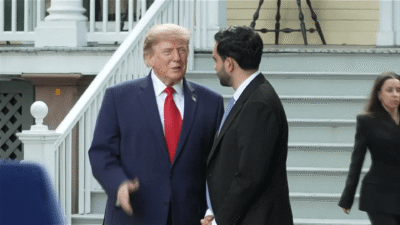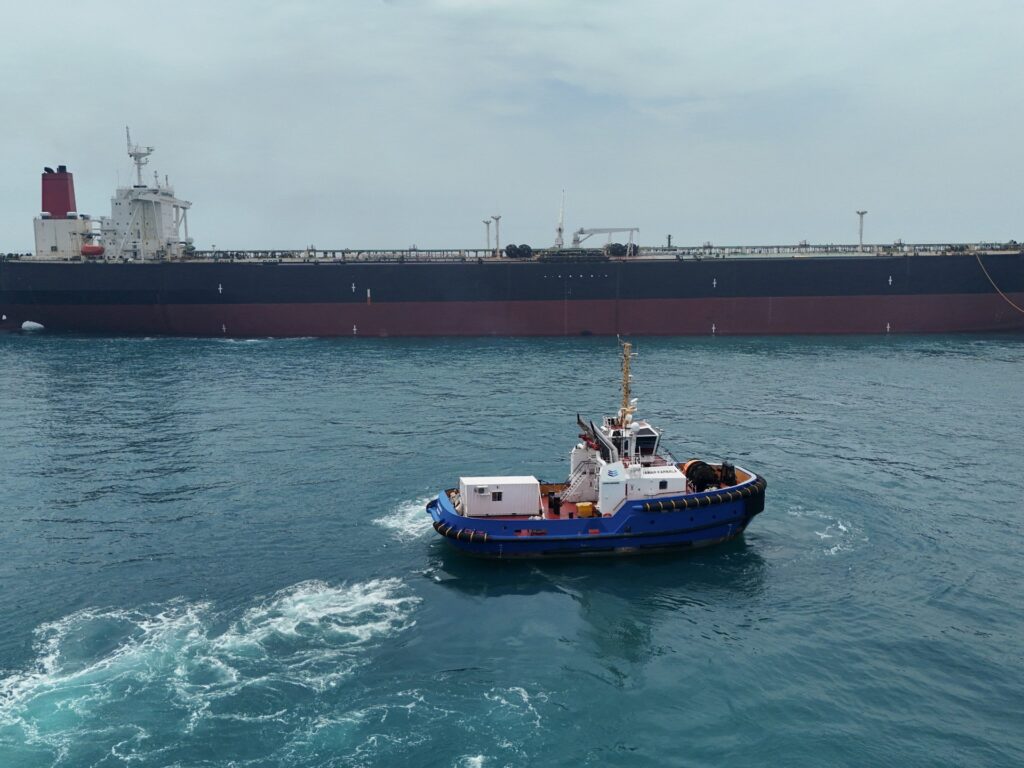
In a recent development in the volatile Strait of Hormuz, the United States has denied reports that one of its frigates was attacked with missiles. This incident comes closely after former President Donald Trump announced an initiative dubbed ‘Project Freedom,’ aimed at rescuing ships stranded in the strategic and often tense waterway.
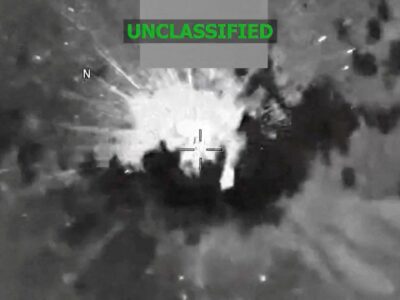
The Strait of Hormuz is a narrow passage that serves as a critical chokepoint for global oil shipments, making any military or security issue there of international concern. Reports surfaced suggesting that a US naval frigate faced a missile attack while navigating these waters, raising fears of escalating tensions between the US and Iran.
However, the US military firmly rejected these claims, stating there had been no such armed engagement. According to official statements, the frigate was operating safely and no indication of attacks or hostile actions was recorded. This denial aims to quell rising concerns among maritime nations and international observers who closely monitor the region.
The backdrop to these alarming reports is the announcement of ‘Project Freedom,’ a US-led operation intended to ensure safe passage for commercial and military vessels stuck or threatened by increased Iranian activity in the Strait. This project reflects continuing apprehensions over Iran’s control and influence over the shipping lanes, vital for regional and global energy security.
The Strait of Hormuz has long been a flashpoint for geopolitical rivalry, with Iran frequently asserting its capacity to disrupt oil flows in retaliation to sanctions or foreign military presence. This complicated situation necessitates delicate diplomatic and military strategies by involved countries.
The denial by the US Department of Defense also underscores the complexities of misinformation in conflict zones, where premature or inaccurate reports can inflame international tensions unduly. Confirming such incidents requires rigorous verification amidst deliberate disinformation campaigns or propaganda.
International stakeholders, including neighboring Gulf countries and global powers, continue to advocate for peaceful navigation of the strait. They emphasize dialogue and restraint to avoid military confrontations that could jeopardize economic stability and international shipping.
Maritime security experts have highlighted the importance of transparent communication and robust international patrols to maintain order in such a sensitive corridor. This approach is vital to preventing misunderstandings that might otherwise escalate into armed conflict.
The US denial of the missile attack thus serves as a critical reminder of the delicate balance in maintaining freedom of navigation while avoiding provocations that could trigger broader regional instability.
As ‘Project Freedom’ commences, its success will largely depend on cooperation from regional actors, clear rules of engagement, and adherence to international maritime law. The international community watches closely, hopeful that this initiative will reduce tensions and safeguard one of the world’s most crucial maritime passageways.
In summary, while reports of attacks on US naval vessels raise alarm bells, it is essential for all parties to verify facts thoroughly before reactions. The Strait of Hormuz remains a strategic and sensitive maritime corridor, where peace and stability are paramount for global energy markets and international security.