In recent years, the proliferation of drone technology has transformed modern warfare and security practices worldwide. In response to the growing threat of unmanned aerial vehicles (UAVs), Ukraine has developed an innovative anti-drone system known as Sky Map. This battle-tested technology, which has played a significant role in Ukraine’s own defense efforts, is now being deployed in the Gulf region to counter the increasing use of drones in this strategically critical area.
Sky Map’s design concept revolves around the integration of thousands of acoustic sensors distributed strategically to detect the presence of drones through sound signatures specific to the UAVs’ engines and propellers. Unlike traditional radar systems, which can struggle to discern small or low-flying drones against cluttered backgrounds, the acoustic sensors provide precise and effective detection capabilities, especially valuable in complex environments.
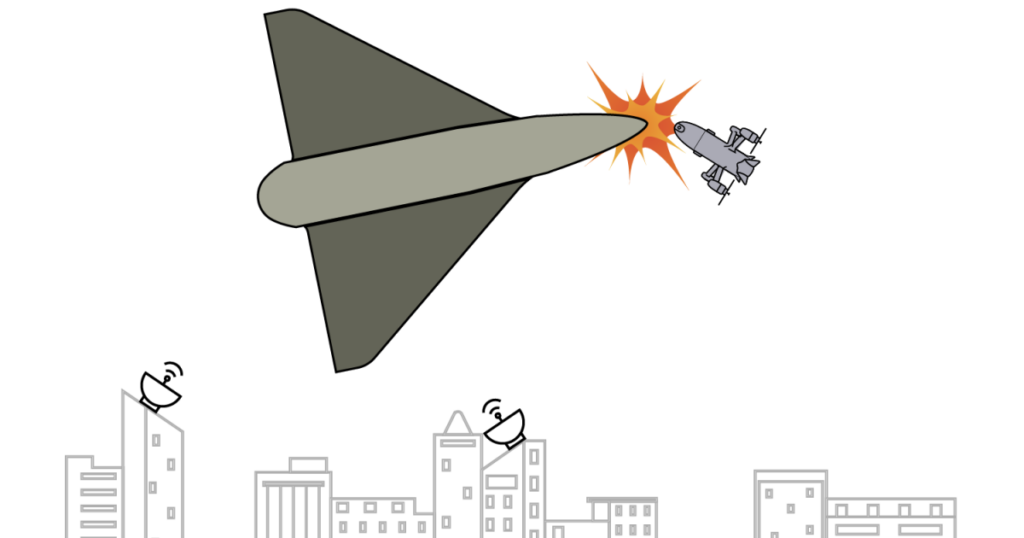
Once an incoming drone is detected by the acoustic network, the Sky Map system utilizes a sophisticated coordination mechanism to rapidly track and identify the UAV. This facilitates quick threat analysis and decision-making, enabling operators to deploy appropriate countermeasures.
The interceptors used by Sky Map are designed to neutralize drones before they can carry out reconnaissance, deliver payloads, or disrupt operations. These interceptors may include kinetic means such as missile systems or electronic warfare tools that jam or take control of the drone’s communication links, effectively rendering them harmless.
Ukraine’s experience fighting drone warfare, particularly in the ongoing conflict with Russia, has allowed Sky Map to be refined under combat conditions. The system’s reliability, speed, and accuracy have been validated through numerous engagements, demonstrating its robustness in detecting and destroying diverse drone threats.
The deployment of Sky Map in the Gulf reflects the increasing demand among nations for advanced autonomous drone defense technologies that can protect critical infrastructure, military assets, and civilian populations. Given the Gulf’s geopolitical significance, especially concerning oil transport and maritime security, the ability to counter drone threats is paramount.
Local authorities and security forces in the Gulf are working with Ukrainian technology experts to adapt Sky Map’s capabilities to the specific operational and environmental challenges of the region. This cooperation includes customization of sensor placement, interceptor range optimization, and integration with existing surveillance and command systems.
Furthermore, Sky Map’s modular architecture allows for scalability, making it suitable for various applications—from protecting military bases and oil facilities to securing urban centers. Its acoustic sensor network can cover large areas with precision, while its interceptor systems provide layered defense options.
Experts believe that the introduction of Sky Map in the Gulf will enhance situational awareness against drone incursions, drastically reduce the risk posed by hostile UAVs, and serve as a deterrent to potential aggressive drone operations.
In summary, Ukraine’s Sky Map anti-drone system exemplifies the cutting edge of modern defense technology. Its use of acoustic sensors combined with powerful interceptors offers a sophisticated and reliable means of detecting and neutralizing drone threats. The system not only strengthens defense postures in the Gulf region but also highlights the importance of international collaboration in countering evolving security challenges posed by unmanned systems.