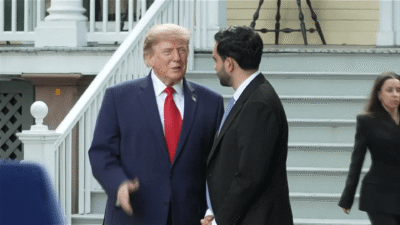
Tensions in the Strait of Hormuz have escalated following U.S. President Donald Trump’s announcement of ‘Project Freedom,’ a mission aimed at escorting stranded ships through this critical waterway. Tehran has issued a stern warning, asserting that the mission violates an ongoing ceasefire agreement and may lead to increased instability in the region.
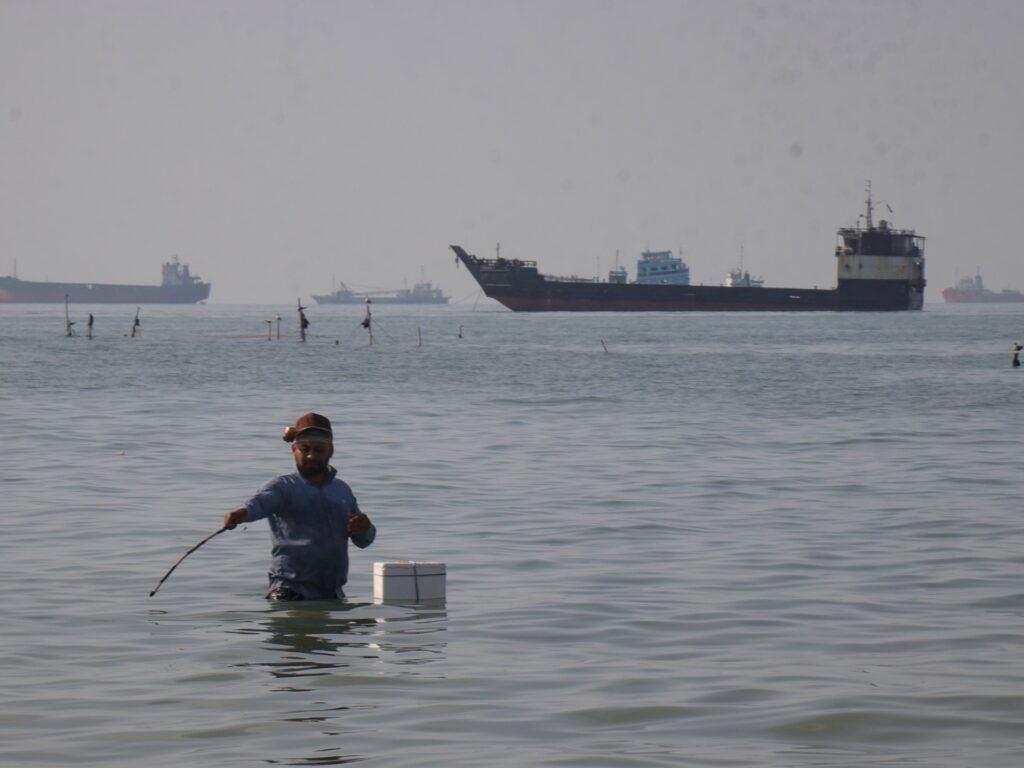
The Strait of Hormuz, a vital chokepoint for global oil shipments, has been a flashpoint for geopolitical conflict, with Iran and the United States often at odds over maritime rights and security. Trump’s announcement has been met with protests within Iran, where the government perceives the initiative as an aggressive move undermining regional peace.
Under ‘Project Freedom,’ the U.S. aims to provide security escorts for commercial vessels navigating the Strait, which has been fraught with incidents involving suspected sabotage and attacks on ships. The U.S. administration frames the mission as a protective measure to ensure safe passage and uphold freedom of navigation.
Iran, however, views the operation as a violation of prior agreements and an infringement on its sovereignty. Officials in Tehran claim the ceasefire in place prohibits such unilateral military actions and have called on the international community to recognize their stance. The Iranian protests have drawn attention to the heightened risks of maritime confrontation resulting from this mission.
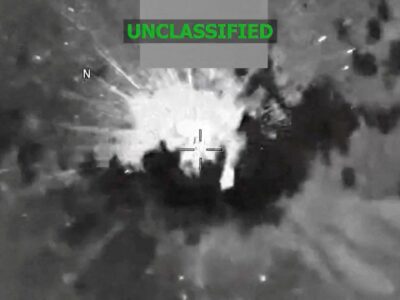
Analysts suggest that the deployment of U.S. naval assets under the ‘Project Freedom’ banner could provoke retaliatory actions by Iran or its allies, potentially triggering a broader conflict. The situation remains volatile, with diplomatic efforts ongoing to defuse tensions and maintain stability in the vital shipping corridor.
The international community has expressed concern over the implications of renewed hostilities in the Strait of Hormuz, emphasizing the importance of upholding international law and respecting sovereign rights. The unfolding events underscore the fragile balance in Middle Eastern geopolitics and the significant impact of strategic waterways on global security.
As the standoff continues, both Tehran and Washington face pressure to navigate a peaceful resolution to avoid further escalation that could disrupt global energy supplies and escalate regional conflict.