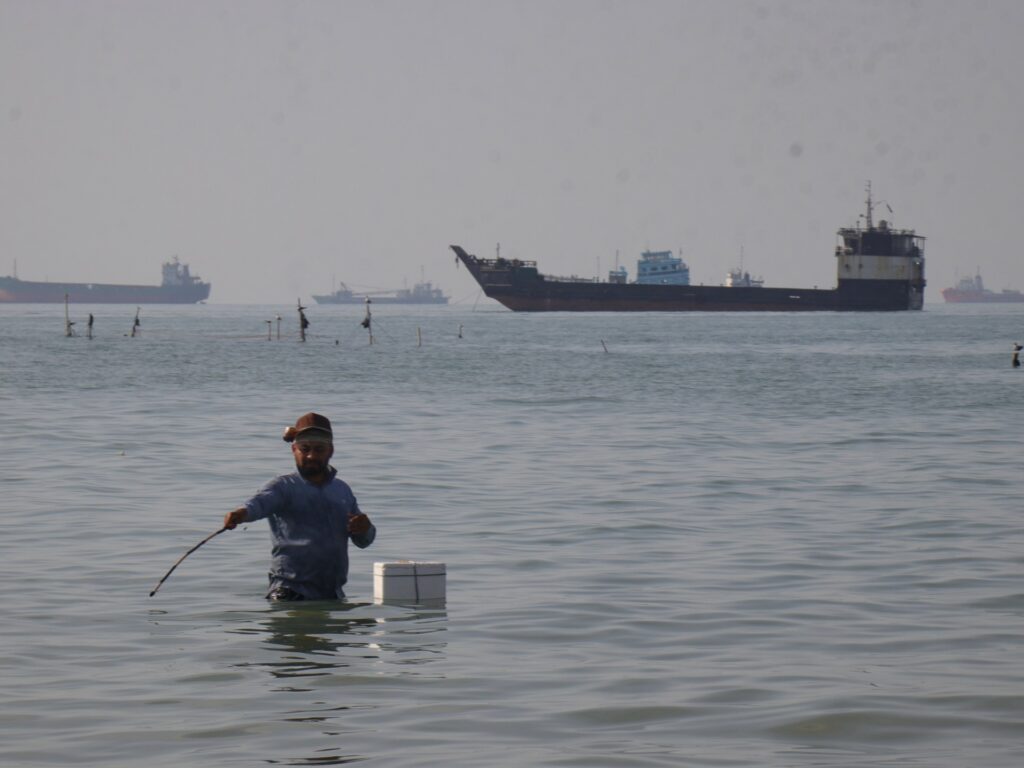
In a tense escalation in the Persian Gulf, Tehran has strongly condemned the United States’ recently announced initiative known as ‘Project Freedom.’ This mission, outlined by former President Donald Trump, aims to escort stranded ships safely out of the strategic Strait of Hormuz—a critical chokepoint through which a significant portion of the world’s oil supply passes.
Iran’s government views the American mission as a direct violation of a previously agreed ceasefire, heightening fears of renewed conflict in an already volatile region. Officials in Tehran argue that the presence of U.S. military escorts undermines regional stability and sovereignty.
The announcement of ‘Project Freedom’ came amidst soaring tensions following increased incidents involving maritime traffic in the Strait of Hormuz. Iran has accused the United States of aggressive posturing and interference in its territorial waters, while the U.S. insists the operation is meant to protect global trade and deter hostile actions against commercial vessels.
Protests have erupted across Iran, with demonstrators rallying against what they describe as American aggression. The Iranian populace and political factions alike are uniting in opposition to the plan, interpreting it as an extension of U.S. efforts to impose economic and military pressure.
International observers are watching the developments closely, as the Strait of Hormuz is vital to global energy markets. Any disruption could send oil prices soaring and impact economies worldwide. The mission’s implications also carry strategic weight, given the proximity to conflict zones and complex alliances in the Middle East.
This controversy highlights the broader difficulties in navigating peace and security in the region, where historical grievances, territorial disputes, and superpower competition intersect. While the United States maintains its right to ensure freedom of navigation, Iran views such moves as provocations that threaten the delicate balance of peace.
In the wake of the announcement, diplomatic channels appear strained, with calls from international organizations urging restraint and adherence to diplomatic solutions. Analysts warn that any misstep could lead to an escalation of military engagement, risking a wider conflict.
As the situation evolves, the world remains alert to further developments in the Strait of Hormuz, a maritime corridor whose safety is essential to both regional stability and the global economy.