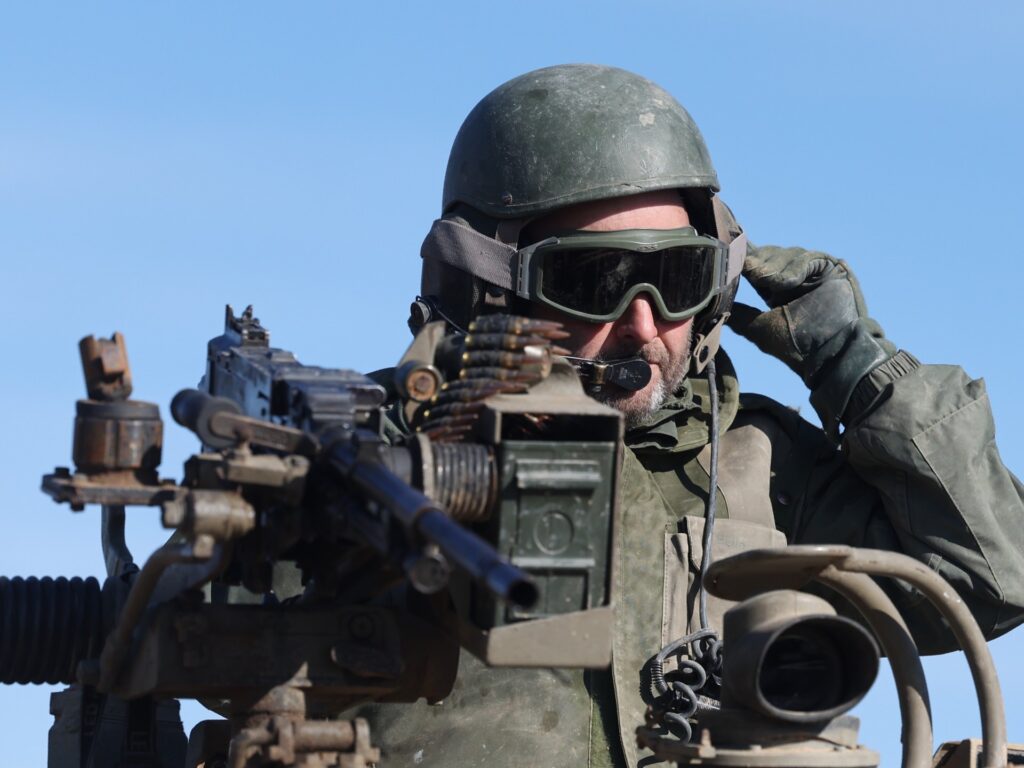
Tensions escalated sharply between Israel and Palestinian factions in Gaza as the fragile truce in the region shows signs of breaking down. Israel has issued stern warnings of a potential resumption of war if the disarmament of Gaza militants is not met. The Israeli government stresses that maintaining security and stability in the region is contingent upon the militants surrendering their weapons.
In response, Palestinian factions have firmly rejected proposals backed by the United States that link humanitarian aid and reconstruction assistance to the disarmament of militant groups. These factions argue that demands for weapons surrender in exchange for aid undermine their position and sovereignty. Instead, they are calling for a clear political pathway that addresses the root causes of the conflict, including ending the blockade and recognizing Palestinian political rights.
This standoff reveals deeper fissures in the efforts to stabilize Gaza after previous devastations caused by violence. The truce that has held for a period is increasingly fragile, with both sides expressing distrust and unwillingness to compromise on critical demands. Israel views disarmament as essential to preventing future conflicts and ensuring the safety of its civilians. Conversely, Palestinian groups see weapons as necessary for their defense and leverage in political negotiations.
International actors continue to press for renewed dialogue and reconciliation efforts. The US and other Western countries propose frameworks that condition aid on progress in demilitarization, hoping to weaken militant factions and push for long-term peace measures. However, these plans face significant resistance on the ground, with Palestinian leaders insisting that aid must not be politicized or used as leverage.
The humanitarian situation in Gaza remains dire, with the population caught between the blockade, limited resources, and ongoing political stalemate. Proponents of aid measures argue that linking assistance to disarmament is essential to break cycles of violence, while opponents emphasize that it delays urgently needed support and aggravates civilian suffering.
With the truce fraying, there is growing concern about the potential for renewed conflict that could devastate the region once again. Observers warn that without mutual concessions and a renewed political dialogue, the cycle of hostility may quickly reignite, undermining any progress made towards peace.
The coming weeks are critical as both Israel and Palestinian factions navigate a complex diplomatic and security landscape. The international community is poised to increase engagement, but the fundamental issues of disarmament, sovereignty, and justice remain deeply contested. This impasse highlights the challenges of achieving sustainable peace in Gaza and the broader Israeli-Palestinian conflict, underscoring the urgent need for creative solutions that address the concerns of all parties involved.