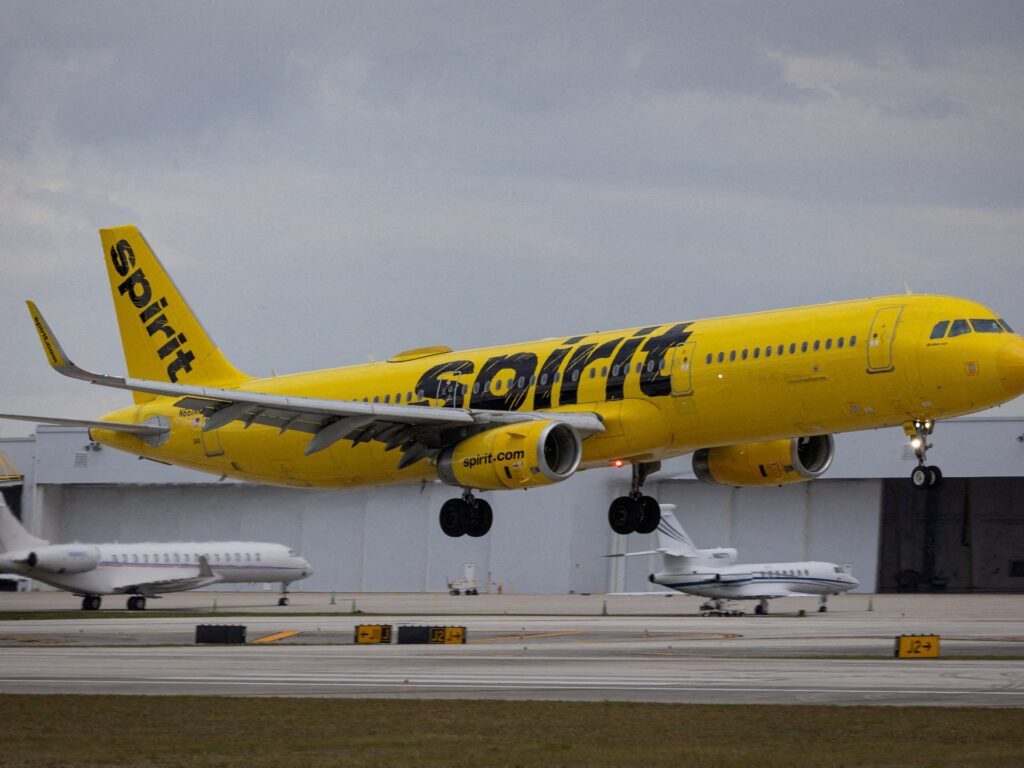
Spirit Airlines, a budget carrier that operated for 34 years, recently shut down, leaving approximately 17,000 staff members unemployed. The closure marks the end of an era for the airline known for its low-cost business model and extensive U.S. domestic network.
Questions have emerged regarding the factors contributing to Spirit Airlines’ collapse, with debates centering on whether external geopolitical events, such as the Iran war, played a decisive role in the downfall of the airline.
Firstly, it is essential to understand the complex dynamics behind Spirit Airlines’ financial struggles over recent years. The company faced considerable challenges, including rising fuel prices, increasing labor costs, and heightened competition in the ultra-low-cost carrier segment. Despite attempts to cut expenses and improve operational efficiency, Spirit’s profitability remained under pressure.
The global airline industry also suffered significantly during the COVID-19 pandemic, with travel restrictions drastically reducing passenger numbers and revenues worldwide. Spirit Airlines was no exception, experiencing reduced demand and cash flow issues that further strained its financial health.
Regarding the Iran war, while geopolitical conflicts can affect oil prices and air travel demand, there is no direct evidence that the Iran war was the final or principal blow leading to Spirit Airlines’ collapse. The war may have contributed indirectly through fluctuations in global oil prices, which impact fuel expenses—a significant cost for airlines—but it was likely only one of many factors.
Economic instability caused by global conflicts can also create uncertainty in travel demand, influencing airline operations. However, Spirit Airlines’ problems appear more systemic and long-standing, rooted in operational and financial decisions predating the recent geopolitical tensions.
Analysts suggest that the airline’s aggressive low-cost strategy created difficult margins, and its expansion into new markets may have overextended its capabilities. Rising labor disputes and efforts to unionize employees also contributed to higher costs and operational disruptions.
In summary, while the Iran war could have played a peripheral role by contributing to global economic uncertainty and fluctuating fuel prices, it was not the decisive factor in Spirit Airlines’ shutdown. The collapse resulted from a culmination of persistent financial difficulties, competitive pressures, pandemic-related impacts, and strategic challenges faced over several years.
The end of Spirit Airlines serves as a cautionary tale about the volatility of the airline industry, especially for low-cost carriers operating on thin profit margins vulnerable to external shocks. The loss of 17,000 jobs is a significant blow to the industry workforce and highlights broader concerns about the resilience of budget airlines amid fluctuating global conditions.
For stakeholders, the Spirit Airlines case underscores the importance of adaptable business models, robust financial planning, and risk management strategies to weather crises, whether from global conflicts, economic downturns, or pandemics. The airline’s demise reminds the industry and regulators alike to consider how best to protect employees and maintain competitive markets in an ever-changing global aviation landscape.