The United States has announced plans to reduce its military presence in Germany, a move that comes as tensions escalate between Washington and Berlin. This development follows a deepening dispute related to the ongoing conflict in Iran, straining the historically strong ties between the two nations.
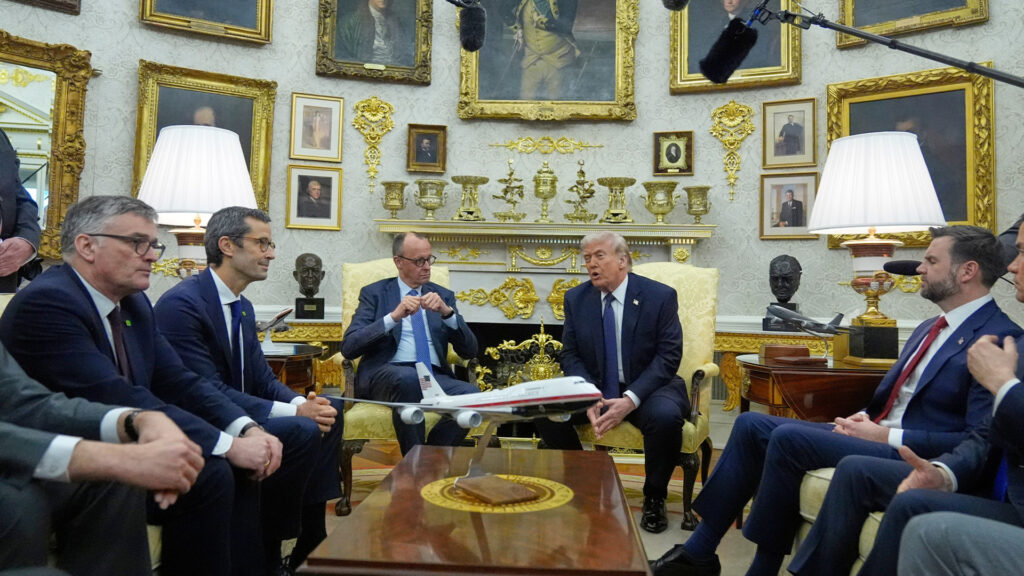
President Donald Trump and German Chancellor Christian Merz have found themselves at odds over strategies and responses concerning the war in Iran. The disagreement has raised concerns about the future cooperation between the US and Germany on international security matters.
The troop reduction is viewed both as a strategic military repositioning and a diplomatic signal amid the growing rift. United States military officials indicated that the number of American soldiers stationed in Germany will be scaled back, although specific figures and timelines have not yet been disclosed.
Germany, traditionally a key ally hosting significant US forces since World War II, is assessing its defense and diplomatic posture. Chancellor Merz has emphasized the importance of collaborative efforts and cautioned against decisions that could undermine allied unity.
The conflict in Iran has exacerbated divisions within international partnerships, particularly over how to approach Tehran’s actions and regional influence. Germany has favored multilateral diplomacy, while the Trump administration has adopted a more unilateral and assertive stance.
This disagreement extends beyond military deployments into broader diplomatic relations, trade, and intelligence-sharing arrangements between the US and Germany. Analysts suggest the situation demands careful negotiation to restore mutual trust and coordinated policy.
The potential withdrawal of US troops from Germany is likely to impact NATO dynamics and European security frameworks. European leaders are closely monitoring these developments, recognizing that cooperative defense strategies are vital in a complex geopolitical environment.
In response, both the US and German governments have expressed willingness to engage in dialogue, aiming to resolve differences and maintain their longstanding alliance. However, the outcome remains uncertain as political rhetoric intensifies.
Experts warn that sustained discord between Washington and Berlin could embolden adversaries and destabilize regional security. The international community is watching closely, advocating for constructive engagement to prevent further escalation.
The situation underscores the challenges inherent in managing international alliances amid divergent national interests and evolving global conflicts. Both countries face the task of balancing domestic pressures with the imperative of global stability.
As negotiations and diplomatic efforts continue, the world awaits clarity on the scale and timing of the US troop reduction in Germany and the broader implications for US-German relations and the Iran conflict.
This evolving story highlights the intricate link between military decisions and diplomatic relations, revealing how conflicts in one part of the world can ripple through strategic partnerships elsewhere. The outcome will shape not only bilateral ties but also the broader security architecture of the Western alliance.