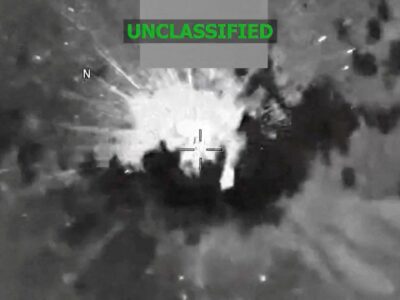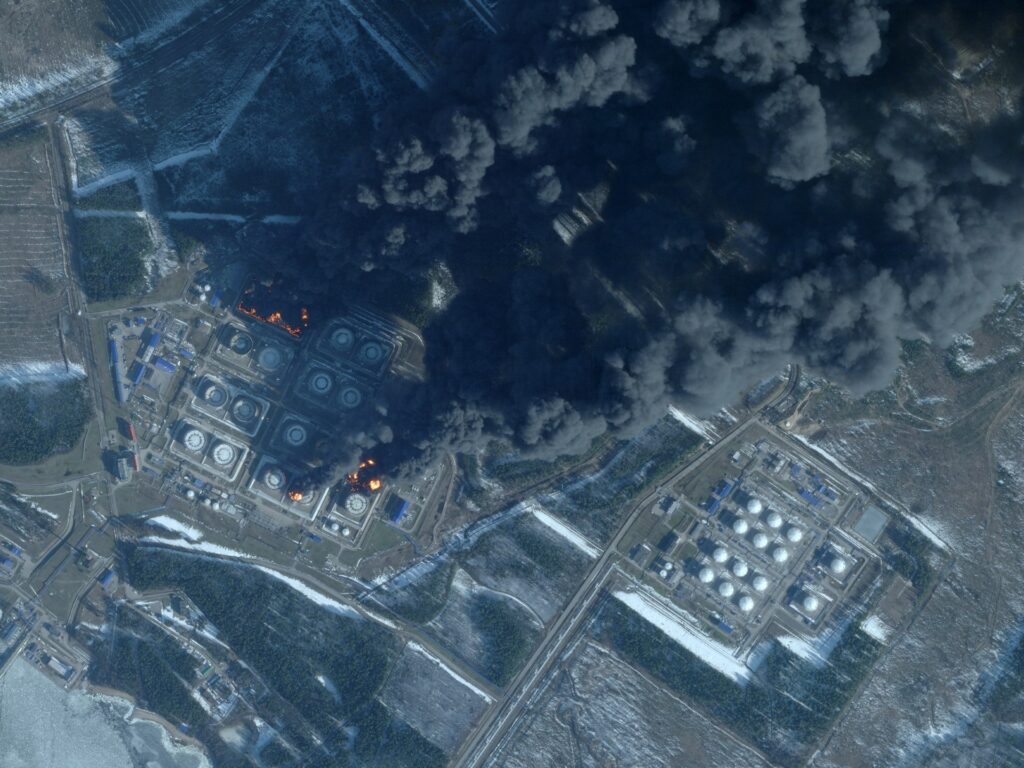
In a significant escalation of the ongoing conflict, Ukrainian forces have launched a drone attack on a Russian Baltic port, according to regional authorities. The governor of the targeted area confirmed the strike, highlighting a direct hit on the strategic location. This assault marks one of the latest developments in the intensifying military actions between Ukraine and Russia.
Additionally, Ukrainian President Volodymyr Zelenskyy announced that Ukrainian forces had successfully struck two tankers associated with the so-called shadow fleet near the port of Novorossiysk, a key maritime hub on the Russian Black Sea coast. These efforts are part of Ukraine’s broader strategy to disrupt Russian maritime logistics and operations amid the prolonged conflict.
The drone attack on the Baltic port underscores the expanding reach of Ukrainian military capabilities, leveraging unmanned aerial vehicles to conduct precision strikes far beyond front-line engagements. The targeted port is a critical point for Russian naval and commercial shipping, making the attack a significant tactical move.
The two tankers hit near Novorossiysk are believed to be part of covert shipping activities, often referred to as the shadow fleet, which Russia uses to bypass sanctions and international scrutiny. By targeting these vessels, Ukraine aims to curtail the clandestine movement of goods and resources that support the Russian war effort.
These assaults come amid heightened tensions and ongoing hostilities in the region, with both sides engaging in tactical operations that extend across land, sea, and air domains. The use of drones in these operations illustrates the evolving nature of modern warfare, where technology plays a pivotal role in surveillance and offensive actions.
Experts note that the attacks could have wider implications for shipping security in the Black Sea and Baltic Sea regions, potentially prompting increased military and diplomatic responses from Russia and its allies. The strikes add complexity to the conflict, indicating that Ukraine is intensifying its efforts to challenge Russian control over vital maritime routes and infrastructure.
Analysts speculate that continued Ukrainian pressure on Russian maritime assets may disrupt supply chains and hinder Russia’s ability to sustain its military campaigns effectively. The targeting of logistics and support vessels is a strategic approach to weakening Russian operational capabilities without direct large-scale confrontation.
The international community has been closely monitoring these developments, as escalations in conflict zones often have ripple effects on global trade and security. Responses from other nations and organizations could shape the conflict’s trajectory and influence future peace negotiations.
In conclusion, the recent drone attack on a Russian Baltic port and the strikes on shadow fleet tankers near Novorossiysk signify a notable escalation in the Ukraine-Russia conflict. These actions highlight Ukraine’s adaptive military strategy and the growing importance of maritime control in the broader war effort. As the situation evolves, further updates on the impact and reactions to these attacks are anticipated.