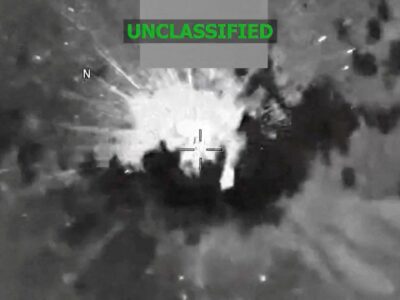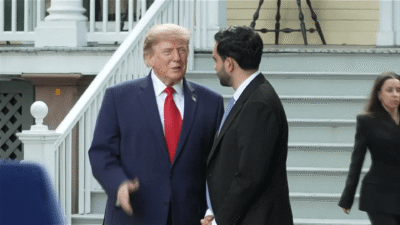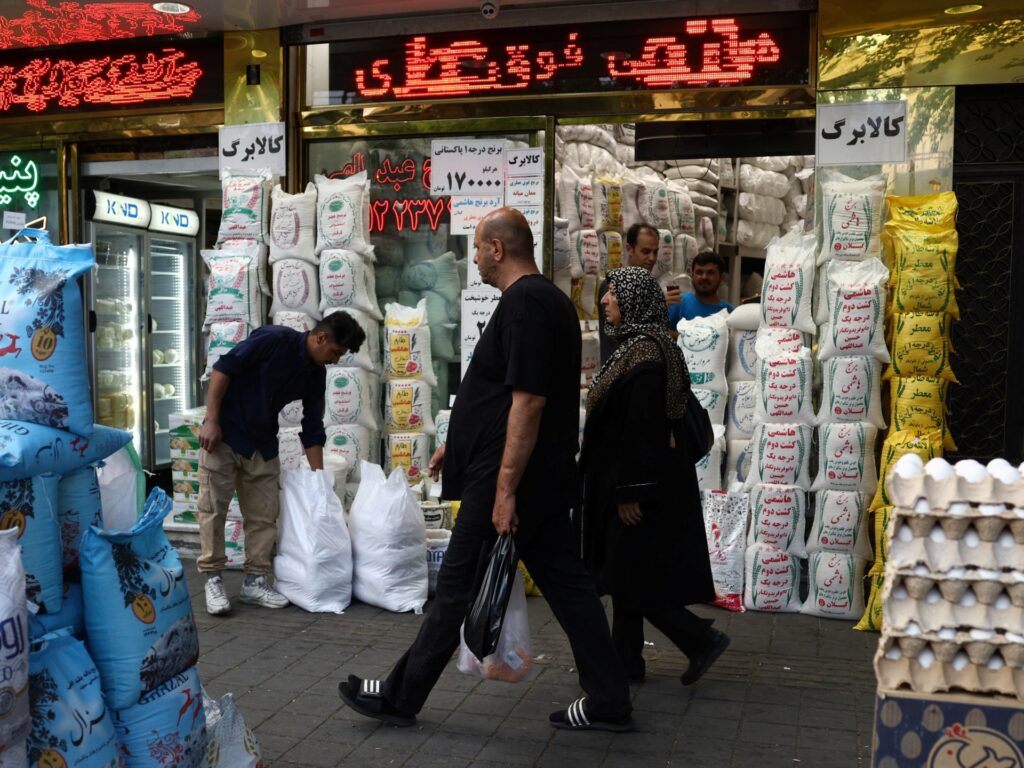
In the shadow of a fragile ceasefire between the US and Israel against Iran, the economic repercussions have become painfully clear on the streets of Tehran and throughout the country. The so-called “Operation Economic Fury” has inflicted severe damage on Iran’s economy, leading to the loss of millions of jobs and a crippling downturn in daily life.
The ceasefire, while halting direct military confrontations, has not alleviated the economic warfare waged against Iran. Sanctions, trade restrictions, and financial blockades have severely restricted Iran’s ability to engage in international commerce and access global financial systems. This economic pressure has disrupted industries across the spectrum, from oil and manufacturing to services and agriculture.
Unemployment rates have soared as businesses shutter, unable to maintain operations under the weight of financial isolation and soaring costs. Many families in Tehran now face uncertainty and hardship, with reduced incomes and limited access to essential goods. Inflation has surged, eroding purchasing power and increasing the cost of living dramatically.
The impact is particularly severe for younger Iranians and those in lower-income brackets, who encounter diminished job prospects and fewer opportunities for economic advancement. Educational institutions and healthcare services also feel the strain, as government revenues decline and inflation drives up operational costs.
Despite the economic strain, the Iranian government has struggled to provide effective relief, hindered by internal political tensions and the lingering threat of renewed conflict. Citizens continue to voice frustration and anxiety about the future, as the economic crisis deepens.
Experts warn that without a comprehensive resolution to the geopolitical tensions and a lifting of economic sanctions, Iran’s economic malaise will persist, compromising the well-being of millions and destabilizing the region further.
As Tehran battles the fallout of Operation Economic Fury, the human cost remains tangible—millions of jobs lost, families struggling, and a society grappling with the harsh realities of sustained economic warfare despite a fragile ceasefire.