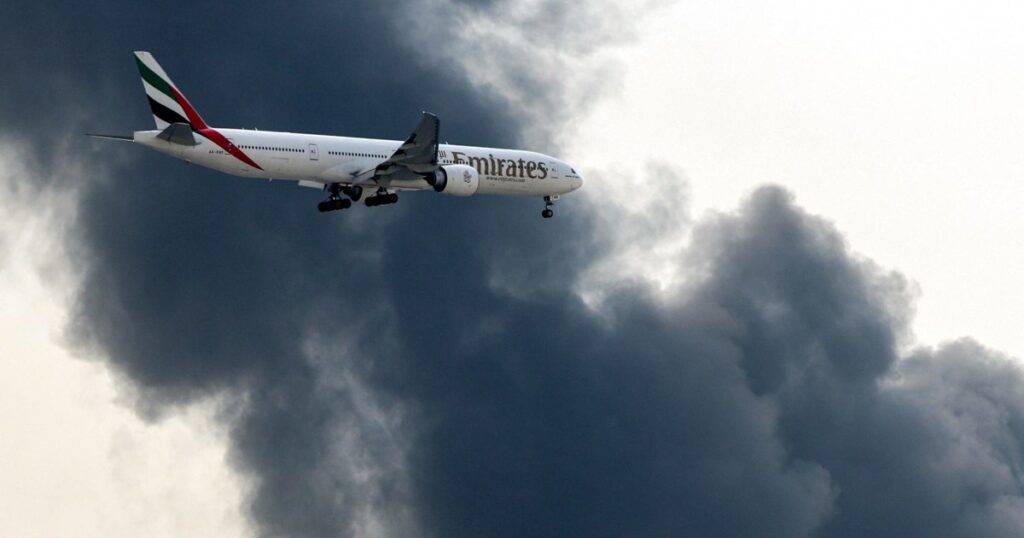
The United Arab Emirates has officially lifted all air traffic restrictions that were imposed in response to the Iran war. This announcement marks a significant milestone for the UAE’s aviation sector and is an encouraging sign of recovery in the broader Middle Eastern travel industry.
Since the outbreak of the conflict involving Iran, several governments and aviation authorities across the Middle East implemented various airspace restrictions and flight curfews to ensure the safety of passengers and aircraft. The UAE, being a major aviation hub with some of the world’s busiest airports, was among the countries that enforced these restrictions, which included rerouting flights, temporary bans on certain air corridors, and heightened security protocols.
The lifting of these restrictions by the UAE’s aviation authority signals improved stability and a return to more normal operating conditions in the region. Airlines and travelers alike have welcomed this move, anticipating fewer delays, reduced operational costs, and an increase in passenger volumes.
Industry experts highlight that the reopening of airspace will not only enhance connectivity within the Middle East but also bolster international travel and commerce. Dubai International Airport and Abu Dhabi International Airport, key gateways to global destinations, are expected to see an upturn in flight frequency and passenger throughput.
This development is part of a broader trend indicating the recovery of the travel and tourism sector across the Middle East, which had been heavily impacted by geopolitical tensions and the COVID-19 pandemic. The easing of restrictions is expected to attract more tourists, boost business travel, and stimulate economic growth throughout the region.
Additionally, the UAE government has reiterated its commitment to maintaining safety and security as priorities, ensuring that all flights comply with international aviation standards. Airlines operating in and out of the UAE will continue to coordinate closely with aviation authorities to monitor any potential risks and respond swiftly if necessary.
Travelers are encouraged to check with airlines for the latest updates on flight schedules and operational changes. The aviation sector’s recovery is being watched closely by global stakeholders, as stability and growth here have significant implications for worldwide air traffic patterns.
In summary, the UAE’s decision to lift all air traffic restrictions imposed since the Iran war represents hope and progress for the Middle East’s travel industry. It reflects improving geopolitical conditions and the resilience of the aviation sector, setting the stage for renewed growth and opportunity in the months and years ahead.