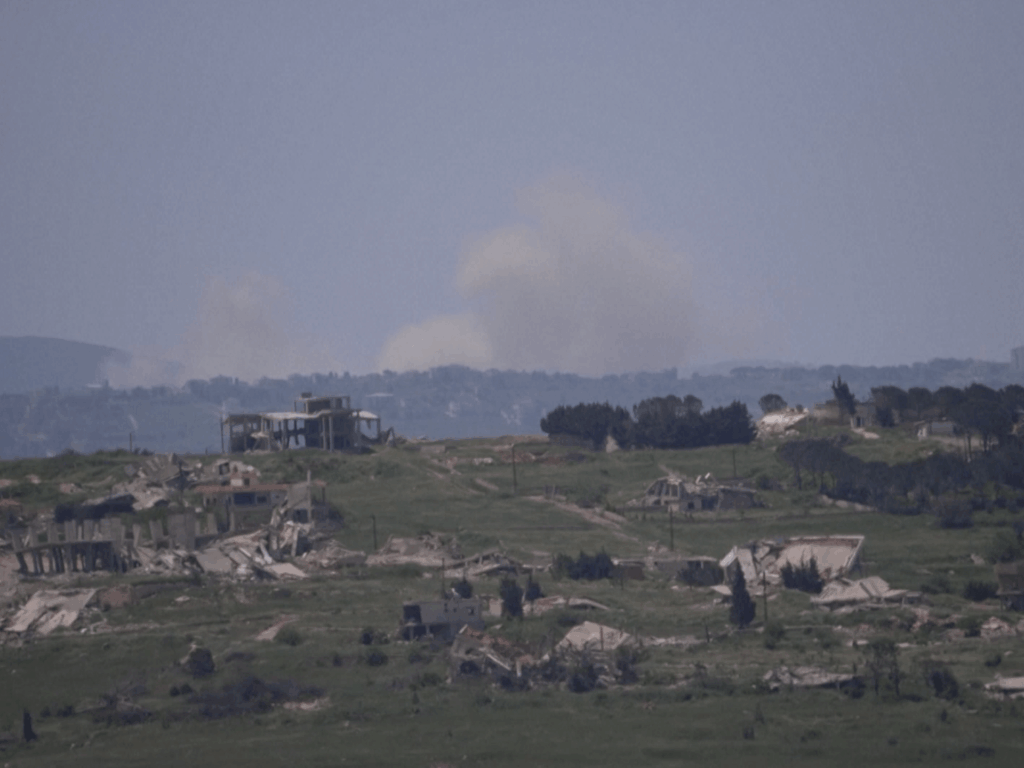
Southern Lebanon has experienced ongoing devastation despite an official ceasefire, with at least 41 people reported killed within a 24-hour period. Israel launched a series of 50 airstrikes on southern Lebanon, intensifying the conflict and causing significant destruction in the region.
The strikes have exacerbated the humanitarian crisis, with numerous casualties and widespread damage to infrastructure. Local communities are struggling to cope with the aftermath, as emergency responders are overwhelmed by the scale of the attack.
The ceasefire, intended to de-escalate tensions, has failed to prevent hostilities on the ground. The continuation of airstrikes highlights the fragility of the ceasefire agreement and raises concerns about the potential for further escalation.
International observers and humanitarian organizations have expressed alarm over the situation, calling for an immediate end to the violence and urgent assistance for those affected. The United Nations and other agencies are monitoring the developments closely, urging all parties to honor the ceasefire commitments and engage in peaceful dialogue.
The conflict’s impact extends beyond immediate casualties, affecting the broader stability of the region. The destruction of homes, schools, and healthcare facilities threatens to undermine long-term recovery efforts and deepen the suffering of the civilian population.
Efforts to negotiate a lasting peace remain challenging amid persistent hostilities and mutual distrust. The international community continues to advocate for diplomatic solutions to prevent further loss of life and to facilitate reconstruction and reconciliation.
As the situation evolves, the resilience and needs of the affected communities in southern Lebanon remain a critical focus. Humanitarian aid and diplomatic intervention are essential to address the urgent crisis and to pave the way toward a sustainable resolution of the conflict.