The escalating tensions between Iran and the United States have once again brought the region to the brink of conflict, with diplomacy struggling to hold its ground. Recent developments indicate a serious threat of resumed war, as diplomatic efforts face significant setbacks.
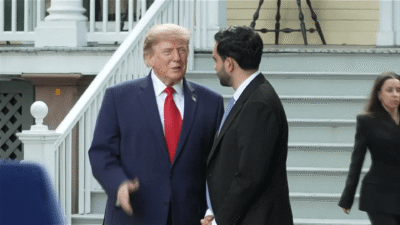
Former U.S. President Donald Trump has publicly expressed his dissatisfaction with Iran’s latest peace proposal. According to Trump, the proposal includes demands that he finds unacceptable, stating that it is asking for things ‘I can’t agree to.’ This stance complicates the already fragile diplomatic negotiations aimed at preventing further military confrontation.
The proposal submitted by Iran was seen by many international observers as a potential path toward de-escalation, addressing critical security concerns while offering concessions on economic sanctions relief. However, the U.S. response, influenced largely by Trump’s remarks and his persistent hardline approach to Iran, has been less than welcoming.
Diplomatic channels that had shown signs of progress over the past few months are now under threat, as political rhetoric heats up and mutual trust continues to erode. Experts warn that the failure of dialogue could lead to a resurgence of intense military engagements in the region, further destabilizing the Middle East.
The global community watches closely as diplomats from various nations attempt to mediate between the two sides. Efforts include backchannel talks and multilateral meetings aimed at preserving peace and encouraging compromise.
The stakes are high, with millions potentially at risk if conflict resumes in one of the world’s most volatile regions. The impact of renewed warfare could also disrupt global energy markets, given Iran’s strategic position and its role in global oil supply chains.
Meanwhile, on the ground, military postures remain tense. Both Iran and U.S. forces have reportedly increased their readiness levels, heightening concerns about accidental or intentional provocations leading to open conflict.
Analysts stress the importance of reopening effective communication lines and revisiting the terms of negotiation to find a mutually acceptable framework. They highlight that while Trump’s criticism of the peace proposal signals a hard stance, diplomatic solutions remain the sole viable path to avoiding war.
Furthermore, human rights groups and international organizations continue to call for restraint and peaceful resolution, emphasizing the devastating humanitarian toll that renewed war would impose on civilian populations.
In summary, the situation remains highly volatile. The future of Iran-U.S. relations hangs in the balance as diplomacy faces increasing peril from uncompromising political positions and growing mistrust. The international community’s role in encouraging dialogue and preventing escalation is more critical than ever.
As events develop, all eyes remain on diplomatic efforts to salvage peace and prevent the specter of war from becoming a reality once again.