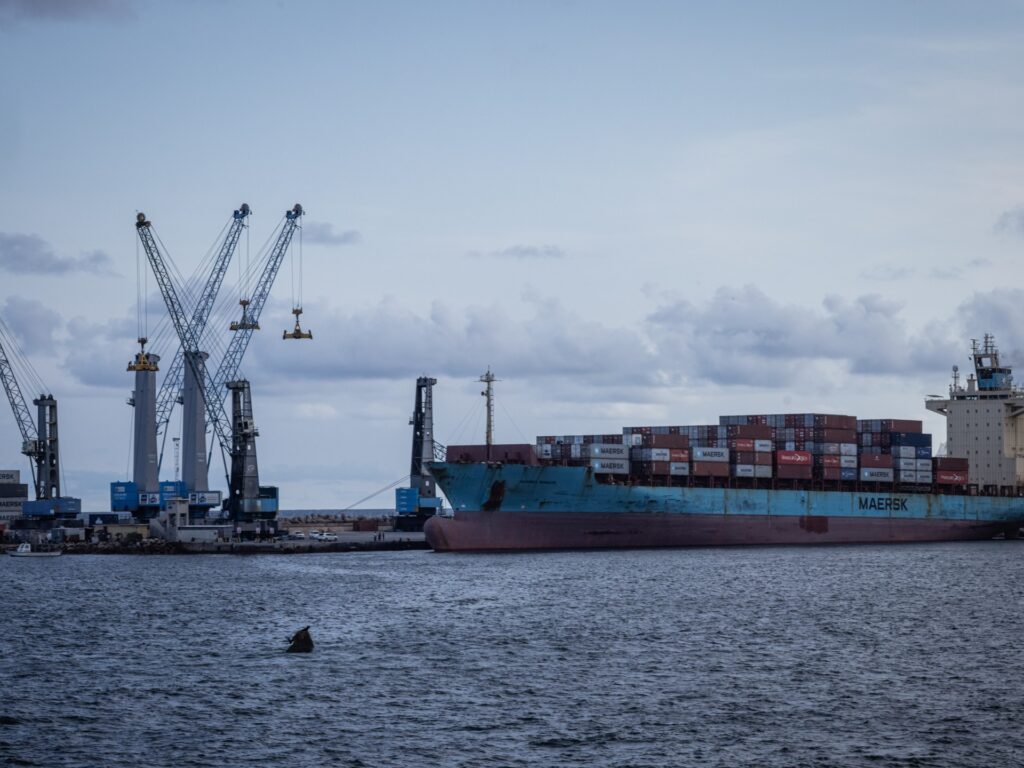
In a concerning development for international maritime security, a cargo vessel has been suspected of being hijacked by pirates and is currently being steered towards Somalia. This incident adds to the growing list of piracy reports in the region, highlighting persistent threats to commercial shipping lanes near the Horn of Africa.
The hijacking comes at a time of heightened tension in key maritime corridors globally. Notably, the Strait of Hormuz, a critical passage for global oil shipments, has been effectively closed due to ongoing conflicts and geopolitical disputes. This closure has forced a reassessment of shipping routes and increased the importance of vigilance over alternative paths.
Maritime authorities and naval forces have noted an alarming spike in the diversion of maritime traffic towards Africa. The Gulf of Aden and the adjacent Indian Ocean waters, particularly near Somalia’s coasts, have long been hotspots for pirate activity due to lawless areas and insufficient naval patrols.
The cargo vessel, whose identity has not been disclosed pending further investigation, was reportedly en route from the Middle East to Europe before it was intercepted. Based on intelligence reports, the suspected pirates took control of the ship and altered its course southwards toward Somali waters.
Somalia’s coastline has been a haven for pirates in the past two decades. Despite international naval efforts that have somewhat curtailed piracy, sporadic attacks continue with pirates employing sophisticated tactics and speedboats to seize vessels. The renewed surge reflects the challenges of maritime law enforcement and the need for enhanced surveillance.
This hijacking incident underscores the vulnerability of global supply chains that depend on maritime routes. Disruption in these corridors can lead to delays and financial losses for shipping companies and impact the global trade ecosystem.
International maritime organizations have called for coordinated action amongst naval forces, shipping companies, and coastal states to strengthen protective measures. Enhanced communication systems, real-time monitoring, and rapid response units are among the recommended strategies to counter the piracy threat effectively.
Furthermore, the closure of the Strait of Hormuz has compounded difficulties, pushing shipping companies to seek alternate and sometimes longer routes. These rerouted paths increase operational costs and expose vessels to different types of risks, including piracy and harsh weather conditions.
The global community continues to monitor the situation closely, anticipating swift actions aimed at rescuing the hijacked vessel and ensuring the safety of its crew. Diplomatic and security efforts are intensifying to address the root causes of maritime insecurity in the region.
With trade routes facing evolving threats, the focus on maritime security is more critical than ever. The latest piracy incident serves as a stark reminder of the ongoing challenges in safeguarding international waters and the imperative for robust, cooperative maritime governance.