In a significant development in the ongoing tensions involving Iran, Iran’s Vice Foreign Minister Abbas Araghchi is scheduled to meet with Russian President Vladimir Putin to discuss critical bilateral and regional issues. This diplomatic move comes amid escalating international concerns over Iran’s activities and the broader geopolitical dynamics in the Middle East.
Araghchi’s visit to Russia represents an effort by Tehran to solidify alliances and seek support amidst increasing pressure from Western nations. Russia, being a key global player with strategic interests in the Middle East, is expected to engage in dialogues focusing on security, economic cooperation, and the evolving conflict scenarios in the region.
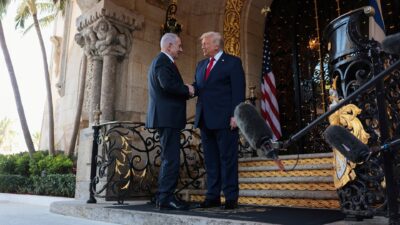
Simultaneously, former U.S. President Donald Trump has made a noteworthy statement suggesting that Iranian leaders can directly call for talks if they desire. Trump’s message underscores the importance of communication and opens a potential path for de-escalation through diplomacy, even as tensions remain high.
This announcement by Trump is seen as a pragmatic approach to encourage Iran to engage in negotiations without conditions, potentially paving the way for dialogue that could mitigate conflict risks. It also signals a willingness to break away from more rigid stances that have characterized diplomatic interactions in the past.
The international community is closely monitoring these developments. The prospect of talks between Iranian officials and Russian leadership may influence Iran’s strategy and its interactions with other global powers. At the same time, Trump’s invitation for direct contact might inspire confidence and provide a diplomatic opening that could be leveraged by peace advocates.
Experts believe that any progress in talks could have wide-reaching implications for regional stability and international relations. Cooperation between Iran and Russia could alter the balance of power, while open channels with the U.S. might help reduce misunderstandings and prevent military escalations.
However, challenges remain. There are deep-seated mistrust and differing objectives among involved parties, and the situation is fluid with ongoing developments requiring careful diplomacy. The tone and substance of Araghchi’s talks with Putin, along with the response from Iran’s top leadership to Trump’s overture, will be critical indicators of the future trajectory.
In summary, Araghchi’s planned meeting with Putin and Trump’s invitation to Iranian leaders to initiate talks mark important steps in a complex and dynamic international situation. Stakeholders worldwide are watching closely, hoping for dialogue to replace confrontation and for diplomatic efforts to reinforce peace and security in an unstable region.