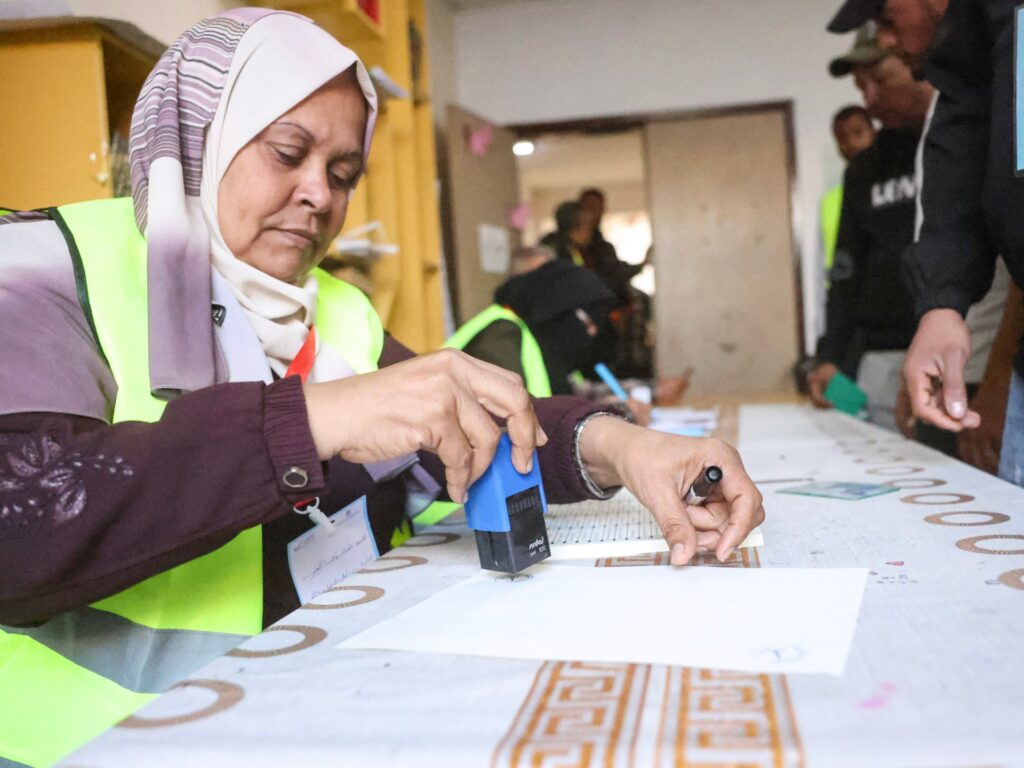
In the recent Palestinian elections, supporters of President Mahmoud Abbas have achieved a significant victory, securing the majority of seats across various regions, including a number of seats in the Gaza Strip. This electoral success consolidates Abbas’s political influence and reflects the continued strength of his faction despite challenges.
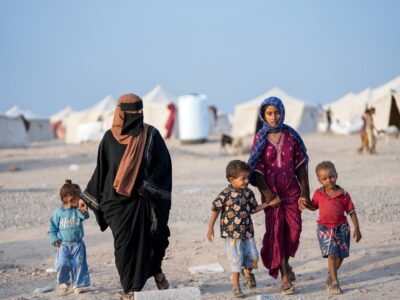
The elections, which took place under complex and challenging conditions, saw a notably low voter turnout in Gaza. The low participation rate has been largely attributed to the ongoing adverse impact of the conflict in the region, which many describe as a genocide. The persistent violence and humanitarian crisis have severely affected daily life and disrupted the electoral process.
Despite the difficulties, the elections proceeded, highlighting the resilience of Palestinian democratic processes even in the face of adversity. Abbas loyalists’ sweeping victory indicates a strong endorsement of his leadership and political agenda among the electorate who participated.
Observers note that the low turnout in Gaza may impact the overall legitimacy and representation in the governing bodies. Many residents were unable or unwilling to vote due to safety concerns and the dire economic situation caused by ongoing conflict.
This election outcome has significant implications for Palestinian politics, potentially shaping policy directions, negotiations, and internal governance. Abbas’s strengthened position could influence both domestic and international relations as the Palestinian leadership navigates a turbulent political landscape.
The international community continues to monitor developments closely, with calls for renewed efforts toward peace and stability in the region. Analysts emphasize the importance of addressing the root causes of conflict to facilitate more inclusive and participatory future elections.
In summary, the Palestinian elections have resulted in a decisive win for Abbas loyalists, despite the overshadowing challenges presented by low voter engagement in Gaza due to the severe humanitarian crisis. The results mark a critical moment in Palestinian political life, with ongoing ramifications for governance and peace prospects.