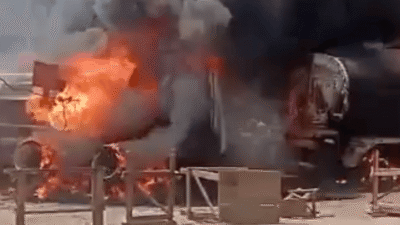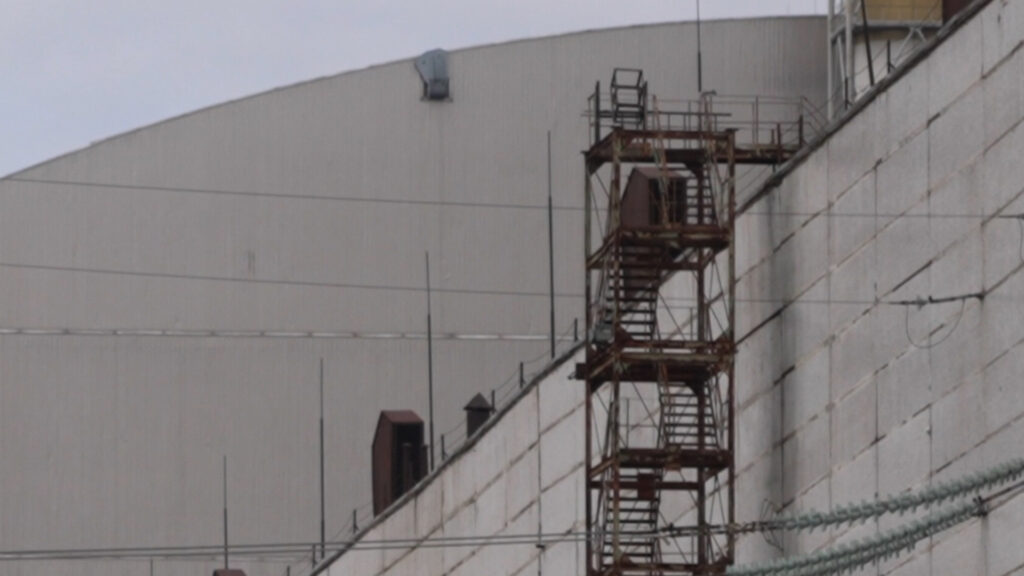
On April 26, 1986, the world witnessed one of its most catastrophic nuclear disasters—the explosion at the Chernobyl Nuclear Power Plant in Ukraine. Marking 40 years since this tragic event, the disaster remains a grim reminder of the dangers of nuclear power and the lasting impact of human error and technological failure.
The Chernobyl disaster occurred during a late-night safety test on Reactor 4 at the plant, which went catastrophically wrong. The explosion released massive amounts of radioactive material into the atmosphere, contaminating vast areas of Ukraine, Belarus, Russia, and beyond. It is estimated that the initial explosion released around 400 times more radioactive material than the atomic bomb dropped on Hiroshima.
The immediate aftermath was devastating: two plant workers died on the night of the explosion, and 29 emergency responders succumbed to acute radiation sickness within weeks. However, the long-term effects were far more severe. Thousands of people were evacuated from the contaminated zones, creating ghost towns like Pripyat, once home to around 50,000 residents.
The health consequences of the disaster are still felt today. Increased rates of thyroid cancer and other radiation-related illnesses have been documented among those exposed to fallout. Moreover, psychological and social problems stemming from displacement and uncertainty have deeply affected communities.
The Chernobyl disaster led to sweeping changes in nuclear safety protocols worldwide. It exposed the need for greater transparency, stricter safety standards, and improved international cooperation to prevent similar catastrophes.
The exclusion zone around the plant remains one of the most radioactive places on Earth, largely abandoned but slowly being reclaimed by nature. It has become a site of scientific study and a somber tourist destination, drawing attention to the consequences of nuclear accidents.
On this 40th anniversary, global leaders, scientists, and survivors reflect on the lessons learned from Chernobyl. The disaster underscores the importance of stringent safety measures in nuclear energy, the potential risks humans face, and the resilience of nature and society in the face of tragedy.
As the world continues to grapple with energy challenges and the role of nuclear power, Chernobyl stands as a powerful testament to the need for caution, respect for technology, and preparedness for the worst-case scenarios.