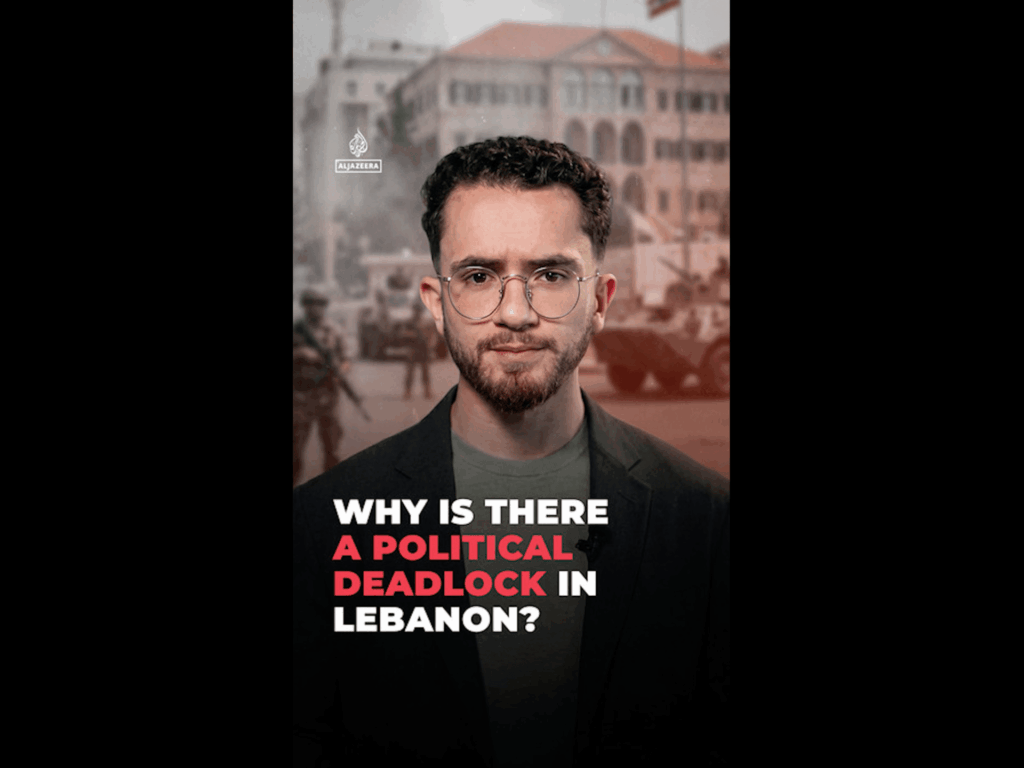
Lebanon is currently experiencing a significant political deadlock primarily due to the contentious issue surrounding the disarmament of Hezbollah. This group, which functions both as a political party and an armed militia, wields considerable influence within Lebanese politics and society. The Lebanese government’s insistence that Hezbollah disarm is part of a broader effort to establish a monopoly on weapons, a critical step toward strengthening state authority and sovereignty.
Hezbollah’s armed capabilities fundamentally challenge the Lebanese government’s control over national security. Since the end of Lebanon’s civil war in 1990, Hezbollah has maintained an independent military force, which it argues is necessary to defend the country against external threats, particularly from Israel. However, many in Lebanon, including various political factions and the government itself, view Hezbollah’s arsenal as a destabilizing factor that undermines the state’s ability to enforce law and order uniformly.
The demand for Hezbollah’s disarmament is rooted in the principle that only the state should possess the right to bear arms and exercise military power. This is crucial for the restoration of the state’s monopoly on violence, which is a foundational element of a functioning and sovereign nation. Yet, Hezbollah’s political allies and supporters counter that disarming the group would weaken Lebanon’s defense capabilities and destabilize the fragile sectarian balance.
The political deadlock arises because this disagreement touches on deeper issues of power-sharing and sectarian representation within Lebanon. Hezbollah holds considerable sway among Shia Muslims and has allies in key government positions, making consensus on disarmament extremely difficult to achieve. As a result, any move to disarm Hezbollah faces strong resistance from significant sections of the parliament and society.
Furthermore, Lebanon’s complex confessional political system, which allocates power based on religious affiliation, complicates efforts to reach a unified stance on national security matters. Each religious and political faction demands guarantees for its community’s security and political influence, which often leads to deadlock when critical issues like the disarmament of a powerful militia arise.
This standoff has broader implications for Lebanon’s stability and governance. The failure to disarm Hezbollah undermines the government’s capacity to implement security policies effectively, maintain internal order, and engage internationally as a unified entity. It also hampers efforts to attract foreign aid and investment, as many international actors view the unresolved armed status of Hezbollah as a risk factor.
In summary, Lebanon’s political deadlock is deeply intertwined with the government’s push for Hezbollah’s disarmament. The effort to centralize military power under the state clashes with Hezbollah’s entrenched military presence and political influence, reflecting broader challenges of sectarian politics and sovereignty in Lebanon. Until there is a political consensus that balances these competing interests, the deadlock is likely to persist, affecting Lebanon’s prospects for peace, stability, and development.