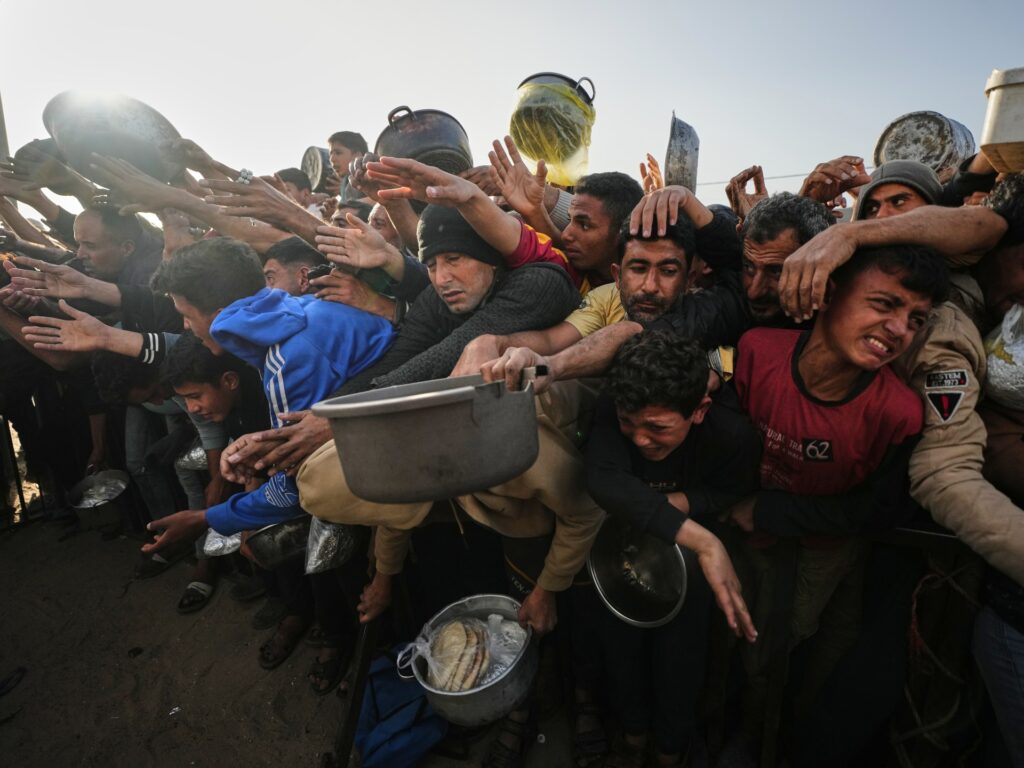
The latest Global Hunger Report has sounded a grave alarm regarding the escalating risks of malnutrition and famine worldwide. According to the report, conflict remains the most critical factor driving hunger, directly impacting nearly 150 million people who are currently facing acute food shortages.
This staggering figure highlights the devastating consequences of prolonged conflicts on food security. In many regions afflicted by war and violence, agricultural activities are disrupted, supply chains are broken, and access to essential food resources becomes severely limited. As a result, millions suffer from undernourishment and starvation, with vulnerable populations such as children and the elderly being disproportionately affected.
The report underscores that while climate change and economic instability are also contributing factors to global hunger, the persistence of conflicts is the predominant cause of hunger crises around the globe. The intersections of these factors exacerbate the situation, making it more difficult to achieve sustainable solutions.
Furthermore, the report calls on international governments, humanitarian organizations, and stakeholders to intensify efforts to resolve conflicts and implement urgent food aid to those in dire need. It stresses the importance of global cooperation and coordinated actions to address the root causes of hunger and to mitigate its devastating impacts.
In addition to emergency food assistance, the report advocates for long-term strategies, such as supporting local agriculture, improving resilience to climate shocks, and fostering peaceful environments conducive to economic development. These measures are vital for breaking the cycle of poverty and hunger and for securing a healthier, more stable future for millions worldwide.
In conclusion, the Global Hunger Report serves as a sobering reminder of the dire consequences of unresolved conflicts and the urgent need for collective efforts to combat malnutrition and famine risks. With nearly 150 million people at risk, the global community faces a critical challenge that demands immediate and sustained attention.