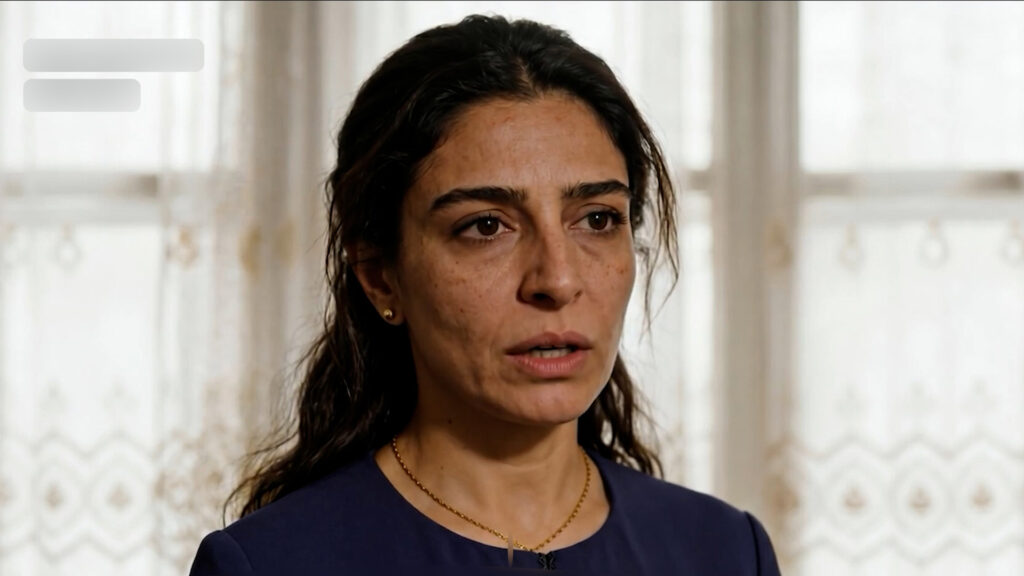
In recent times, the battle of propaganda surrounding Iran has taken a new and unsettling turn. Fake videos and images, particularly portraying female victims allegedly harmed by Iran’s government, are rapidly going viral across social media platforms and news outlets. These images and videos are often AI-generated or digitally manipulated to evoke emotional responses and justify aggressive postures or interventions against Iran.
The phenomenon leverages advances in artificial intelligence, especially deepfake technology and AI-based image synthesis, to craft highly realistic yet entirely fabricated representations of victims. These digital fabrications are strategically deployed as part of a broader information warfare campaign designed to shape public perception and policy.
The utilization of such fake victims serves multiple purposes. Primarily, they act as powerful symbols to galvanize international outrage and sympathy. By showcasing vulnerable individuals, especially women and children, these images aim to elicit emotional reactions that can override critical scrutiny of factual accuracy.
This tactic is worrisome for several reasons. It distorts reality and undermines trust in authentic reports of human rights abuses. When the public is repeatedly exposed to fabricated victimhood narratives, genuine victims risk marginalization, as skepticism grows around all claims of suffering. Moreover, it facilitates the spread of misinformation, complicating diplomatic discourse and escalating tensions unnecessarily.
Iran’s government has consistently denied many allegations regarding human rights violations, often labeling such accusations as politically motivated fabrications. The emergence of AI-generated fake victims adds a new dimension to this contentious debate, challenging the ability of observers and officials to discern truth from falsehood.
Experts warn that the misuse of AI in propaganda campaigns has global implications, not just limited to Iran. The technology’s increasing accessibility makes it easier for state and non-state actors alike to manufacture believable yet false narratives, manipulating international opinion and policy.
Combating this trend requires heightened media literacy among the public, robust verification by journalists, and technological solutions to detect and flag AI-generated content. Governments and international organizations must collaborate to establish frameworks that address the ethical use of AI in information dissemination.
In conclusion, the spread of fake AI-generated videos and images of female victims accused to be suffering under Iran’s government is a troubling development in the propaganda landscape. While these digital fabrications serve as rhetoric tools to rationalize attacks and sanctions, their harmful repercussions on truth, justice, and international relations are profound and demand urgent attention.