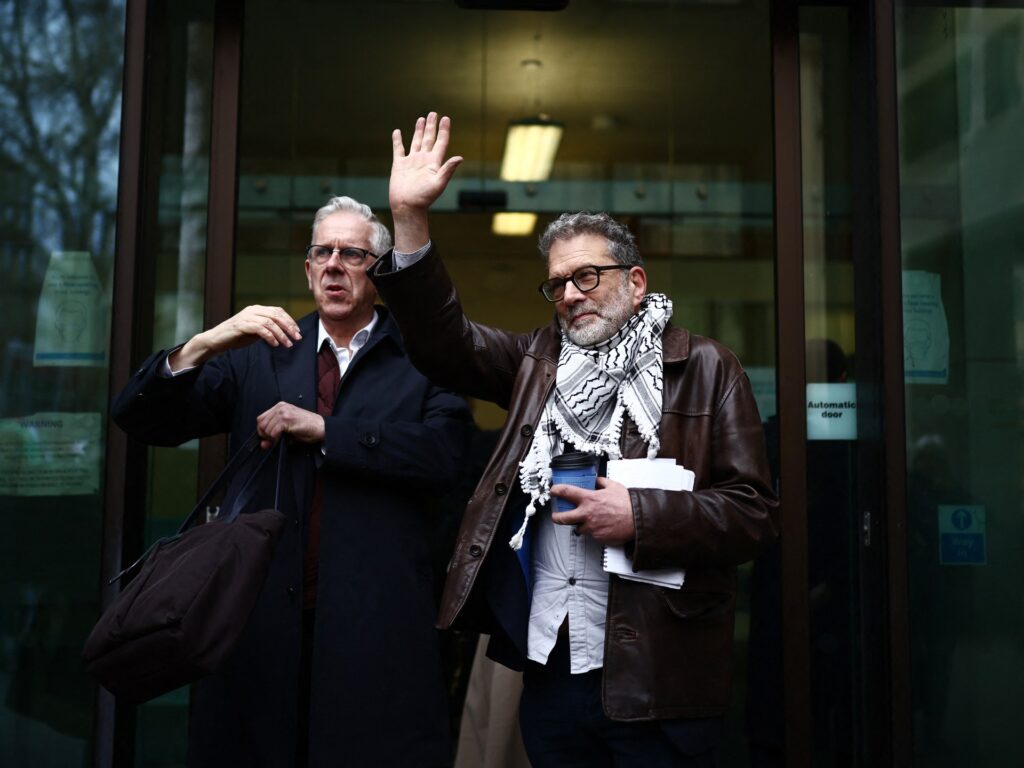
In a recent and highly controversial case, UK pro-Palestine activists Ben Jamal and Chris Nineham were convicted, sparking sharp criticism from major human rights organizations including Amnesty International and Human Rights Watch (HRW). These groups have strongly condemned the ruling, warning that it represents an authoritarian clampdown on freedom of expression and activism.
The conviction is viewed by many rights advocates as a dangerous precedent that could severely infringe on civil liberties in the UK. Amnesty and HRW jointly underscored that the decision risks spawning a broader chilling effect on political dissent, potentially deterring individuals and groups from engaging in activism or expressing views that challenge prevailing government policies or narratives.
Ben Jamal and Chris Nineham, both prominent figures within the UK’s pro-Palestine movement, have long been vocal advocates for Palestinian rights. Their activism includes organizing protests, speaking at public forums, and raising awareness globally about the Palestinian struggle. The conviction stems from activities linked to their activism, although details surrounding the specific charges and the proceedings have drawn criticism for alleged procedural bias and heavy-handed legal tactics.
Human rights experts argue that the legal actions against Jamal and Nineham reflect a wider trend of governments employing judicial tools to suppress dissent, especially on politically sensitive issues. Amnesty International’s UK director commented that the authorities appear to be targeting activists not because of any unlawful behavior, but to silence criticism and stifle ongoing advocacy efforts.
This conviction sends a chilling message to civil society, said an HRW spokesperson: “When peaceful campaigners face criminal convictions for their activism, the fundamental democratic principle of free speech is at risk of erosion. The repercussions will likely discourage public engagement and undermine vital democratic discourse.”
Supporters of Jamal and Nineham have rallied around them, stating that the charges are politically motivated and a violation of their rights to peaceful protest and free expression. Campaigns and petitions have been launched calling for their convictions to be overturned, highlighting the potential ramifications for the broader human rights and activist community in the UK.
The ruling also raises questions about the UK’s commitment to upholding fundamental freedoms at a time when global attention on human rights issues is intensifying. Critics say this could damage the UK’s international reputation as a defender of free speech and may embolden similar crackdowns elsewhere.
Legal analysts suggest that this case could serve as a cautionary tale about the increasing use of the legal system to suppress dissent, emphasizing the need for robust legal protections to safeguard activists and ensure that political expression is not curtailed by authoritarian measures.
As the situation develops, international human rights groups continue to monitor the UK closely, urging the government to respect and protect the rights of activists and not to allow political expediency to override fundamental democratic values.
The case of Ben Jamal and Chris Nineham stands as a stark reminder of the delicate balance between national security, public order, and the essential right to free expression within a democracy. The backlash from rights groups underscores the critical need to prevent any erosion of democratic freedoms through unjustified legal persecution of activists engaging in peaceful advocacy.