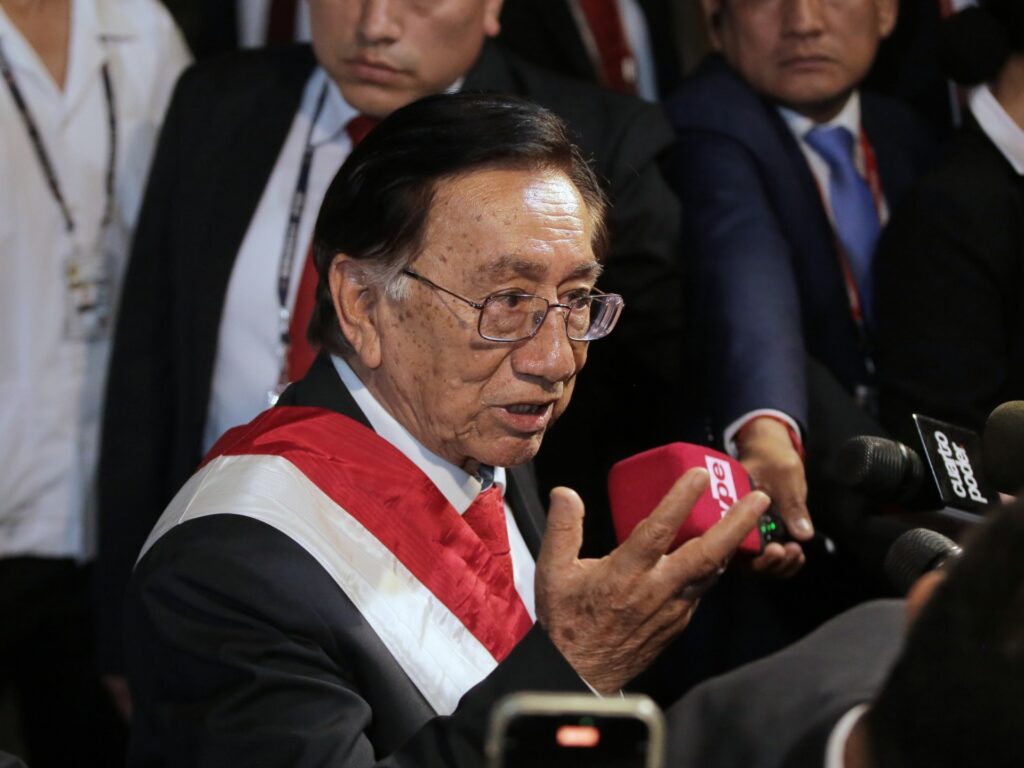
In a significant political upheaval, several top ministers in Peru have resigned after the President decided to postpone a deal to acquire F-16 fighter jets. This sudden decision has stirred controversy within the country and attracted international attention.
The postponed deal involves the procurement of F-16 fighter jets, a move seen as crucial to modernizing Peru’s military capabilities and ensuring national security. However, the President’s decision to delay the agreement has led to a backlash from key members of the government who had supported the deal.
The Trump administration of the United States has voiced strong objections to Peru’s move, warning that pulling out of the deal reflects ‘bad faith’ in negotiations. The F-16 jets, manufactured by American firms, are a critical part of military cooperation between the two countries. This postponement could complicate diplomatic relations and defense partnerships.
Inside Peru, the resignation of top ministers signals a deep division in the government regarding defense and foreign policy. The ministers who stepped down reportedly cited concerns over the President’s handling of the negotiations and the impact on the country’s military readiness.
Analysts comment that the deal’s delay might result from internal political pressures or disagreements over the terms and costs involved. Additionally, there are speculations about strategic shifts in Peru’s defense procurement policies or changing geopolitical priorities.
Peru relies on strong military capabilities partly due to regional security challenges and ongoing border disputes. The acquisition of advanced fighter jets like the F-16 plays a significant role in maintaining defense readiness.
The Trump administration’s warning highlights the importance of maintaining trust and continuity in international defense deals, especially when such agreements have broader implications for regional stability.
Moving forward, the Peruvian government faces the challenge of reconciling internal political differences and completing a defense modernization plan that satisfies both national interests and international partnerships.
Observers anticipate negotiations may resume once political tensions ease, but the recent resignations underscore the fragile nature of policy decisions in the face of contentious military procurements.
In conclusion, the postponement of the F-16 fighter jet deal by Peru’s President has not only led to significant ministerial resignations but also raised concerns over the future of Peru-US defense relations. The situation remains fluid as both domestic and international actors assess the implications of this development on regional security and diplomatic ties.