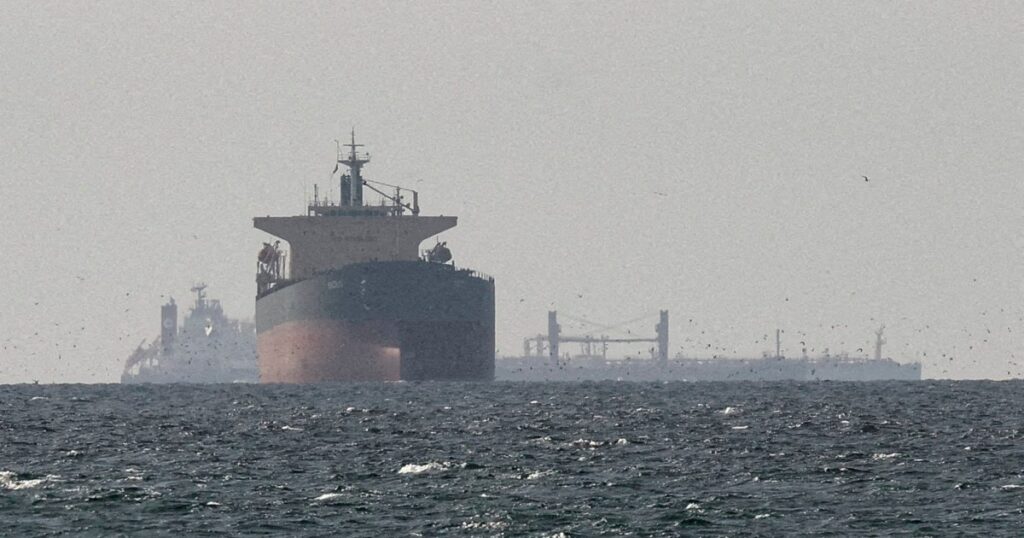
In a tense development in the strategic Strait of Hormuz, the Iranian Revolutionary Guard Corps (IRGC) has captured two vessels after one of its ships came under fire. The incident escalated existing tensions in the region, with the IRGC claiming that their action was a response to what they described as the unlawful capture of an Iranian commercial vessel by the United States.
The Strait of Hormuz, a critical chokepoint for global oil transportation, has witnessed several confrontations and naval incidents in recent years. Iran’s statement suggests that this latest seizure is part of a broader tit-for-tat conflict between Iranian forces and the U.S. military presence in the area.
Details released by the IRGC indicated that the aggression against their ship occurred before their forces apprehended the two vessels. While the identity of the captured vessels has not been officially disclosed, international observers and analysts are closely monitoring the situation for further developments.
This incident adds to the historical backdrop of maritime confrontations in the Gulf region, often marked by accusations and counter-accusations involving sabotage, detentions, and military operations. Both Tehran and Washington have maintained that the Strait of Hormuz should remain open and secure for free navigation, yet the underlying political and military tensions continue to challenge the stability of the region.
Experts point out that the capture of vessels in such a contested waterway has significant implications for international maritime law and the security of oil shipments that transit through the strait. The global community is watching closely, as any escalation could disrupt crucial energy supplies and elevate geopolitical risks.
In response to the incident, calls for restraint and diplomatic engagement have emerged from various international actors. The UN and maritime safety organizations have urged all parties involved to avoid further confrontations and to seek peaceful resolution methods.
This episode underscores the volatile nature of the Strait of Hormuz and highlights the complex dynamics between Iran, the United States, and other regional players. Continued dialogue and careful navigation of political disputes will be essential to maintaining peace and security in this vital maritime corridor.