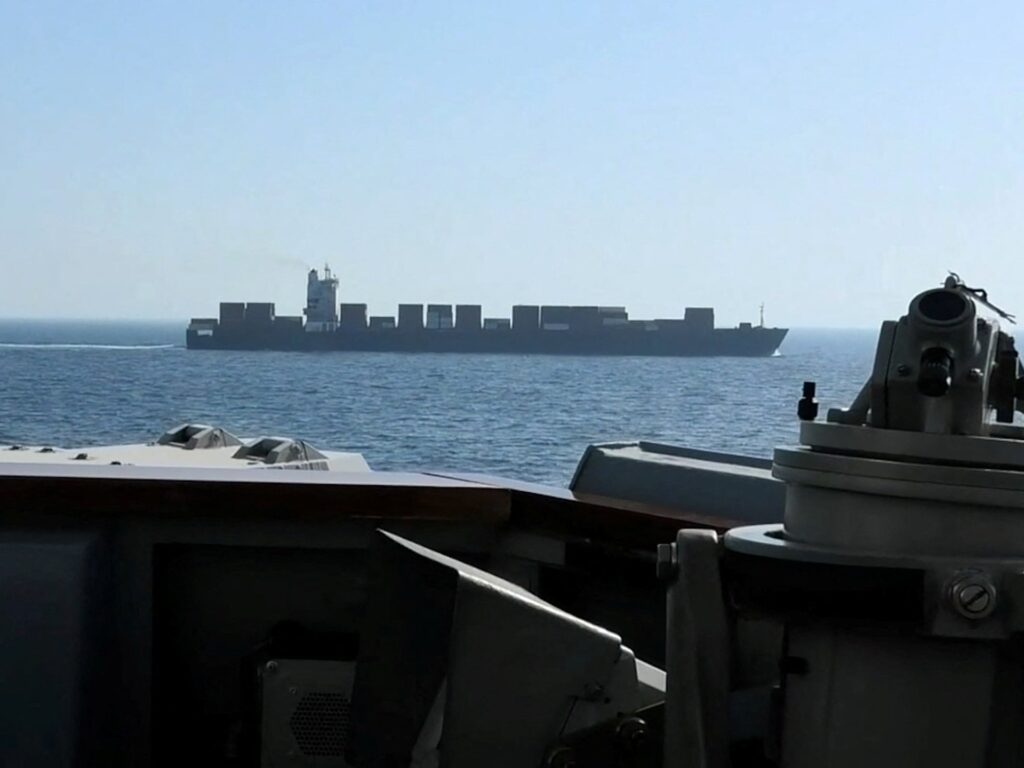
The recent seizure of an Iranian ship by the United States has ignited intense debate and accusations. Iran has vehemently called the US action ‘piracy,’ highlighting the long-standing tensions and maritime confrontations between the two nations. This incident marks yet another chapter in a complex history of conflict over Iran’s maritime activities and US enforcement of sanctions.
Since the early days of increasing hostilities between Iran and the US, American forces have frequently targeted Iranian vessels in international waters. These actions are generally justified by the US as necessary enforcement measures against Iran’s alleged support for terrorism and its nuclear ambitions. However, from Iran’s perspective, such seizures are viewed as unlawful and aggressive acts undermining national sovereignty.
The term ‘piracy’ traditionally refers to acts of robbery and criminal violence at sea without state sanction. Iran’s labeling of the US seizure as piracy aims to portray the American act as illegitimate and outside accepted international maritime law. The US, on the other hand, asserts that its actions are conducted under the framework of international law, primarily referencing sanctions and maritime security concerns.
International law, particularly under the United Nations Convention on the Law of the Sea (UNCLOS), governs state conduct at sea. While UNCLOS prohibits piracy, it allows for interdiction and seizure of vessels suspected of illicit activities such as smuggling or breaching embargoes, provided these actions have international or host nation authorization. The US claims its seizures are in line with these provisions.
However, the dispute centers on whether the US actions in international waters genuinely comply with legal norms. Critics argue that unilateral US actions without explicit international mandate may violate the principles of freedom of navigation and sovereignty. This creates a grey area where political tensions complicate the interpretation of maritime law.
Iran’s accusations of piracy also serve a broader geopolitical narrative of victimhood and resistance against perceived US aggression. These claims resonate domestically and internationally, reinforcing Iran’s stance against sanctions and foreign intervention.
The seizure has also raised concerns among global maritime stakeholders about the stability and security of crucial shipping corridors, especially in the Persian Gulf and Strait of Hormuz. These waterways are strategic chokepoints through which a significant portion of the world’s oil supply transits.
The situation highlights the broader context of US-Iran relations marked by mutual suspicion, sanctions, and proxy confrontations. Maritime incidents such as this underscore the fragile nature of peace and the risks of escalation in one of the world’s most geopolitically sensitive regions.
Efforts for dialogue and negotiation, including diplomatic talks and multilateral discussions, remain essential to de-escalate tensions and clarify legal interpretations. Constructive engagement could prevent future incidents that threaten international maritime order and regional security.
In conclusion, whether the US seizure of the Iranian ship constitutes piracy depends largely on perspectives shaped by legal interpretations and political interests. While Iran brands the act as outright piracy, the US frames it as lawful enforcement. This clash reflects the broader conflict dynamics, underscoring the need for clearer international consensus on maritime security operations to avoid further flare-ups and promote stability on the high seas.