China has strategically positioned itself amid the ongoing Iran war, leveraging its unique diplomatic and economic relationships to differentiate itself from the United States and secure its interests in the region. While the US has adopted a more confrontational stance, China emphasizes its role as a neutral partner and economic ally, thus gaining influence and trust among key players including Iran, Israel, and the Gulf states.
Beijing’s approach is multifaceted. Economically, China maintains robust ties with the US, Israel, Iran, and the Gulf countries, balancing its interests to avoid alienating any side. This delicate balancing act allows China to act as an indispensable mediator and trade partner, which provides it with leverage in a volatile geopolitical environment.
China’s growing energy needs also drive its engagement with the region. Iran, as a major oil supplier, is critical to China’s energy security. Despite US sanctions on Iran, China continues to engage in trade, often circumventing restrictions to secure oil supplies. This not only benefits China economically but also weakens the effectiveness of US sanctions.
Furthermore, China has cultivated strong ties with Gulf countries, which are important energy producers and strategic partners in the region. By maintaining these relationships, Beijing ensures it has alternatives and can balance any regional disruptions caused by the Iran conflict.
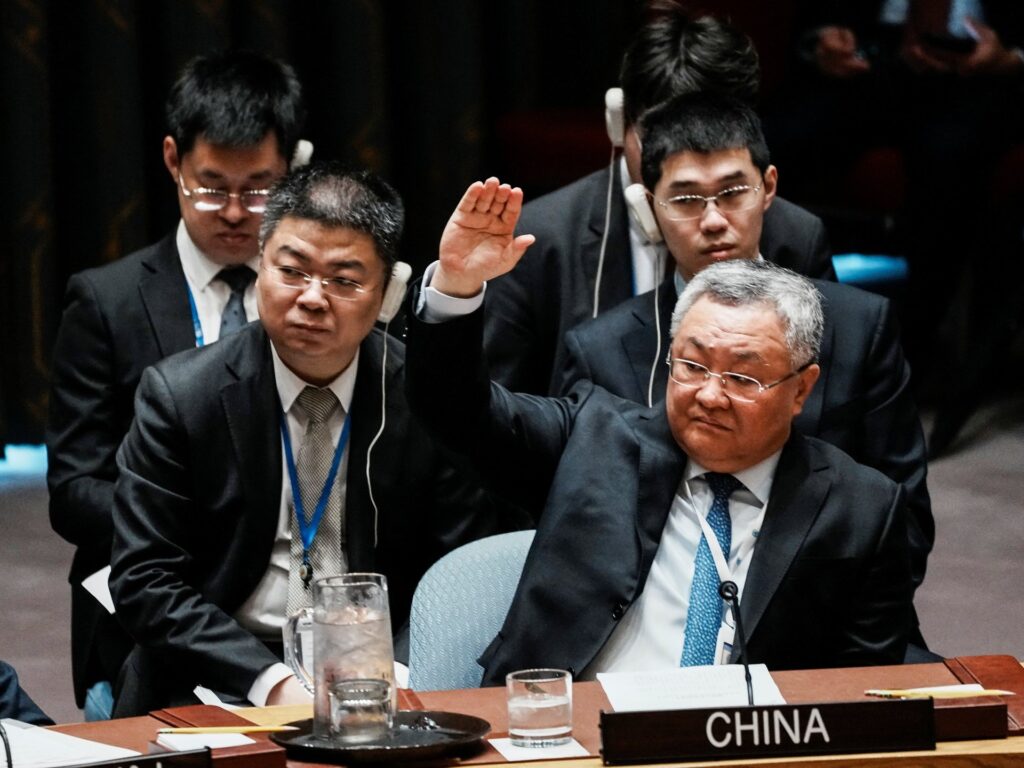
On the diplomatic front, China advocates for dialogue and peaceful resolution, contrasting with the US’s military rhetoric. This stance enhances China’s image as a responsible global power committed to stability rather than escalation.
China’s ties with Israel add another layer to its strategic calculus. While the US is Israel’s closest ally, China has engaged in increasing technological and economic cooperation with Israel, which gives it insight and influence in a crucial regional player.
This strategy of positioning as a non-Western, neutral power amid the Iran war is also part of China’s broader ambition to project itself as a global leader that offers alternative governance and diplomatic models.
While navigating this complex landscape, Beijing continues to protect its economic interests by focusing on infrastructure projects, trade pipelines, and investment opportunities in the Middle East, particularly under the Belt and Road Initiative.
In summary, China’s gain from the Iran war stems from its ability to present itself as different from the US: it avoids direct confrontation, sustains vital economic ties on all sides, promotes dialogue, and leverages its multi-faceted relationships to enhance its regional and global stature. This positioning not only bolsters China’s immediate economic interests but also strengthens its long-term geopolitical influence in a critical and turbulent region.