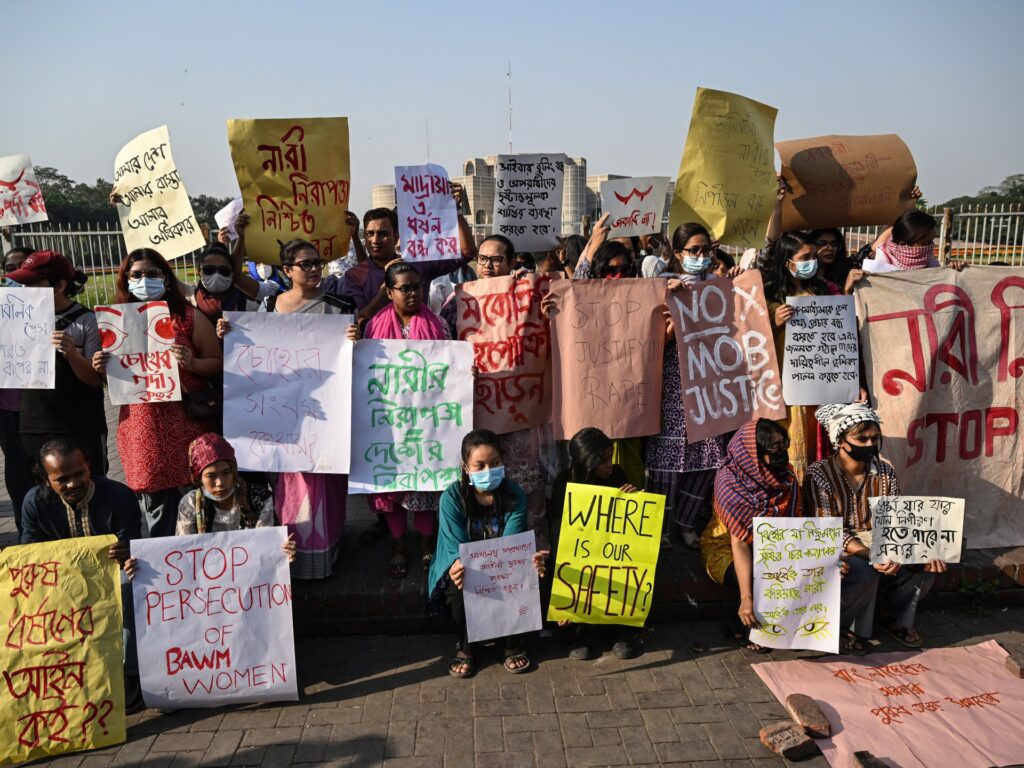
In a significant political development, Bangladesh has witnessed a rollback of several reforms that were introduced after the ouster of Prime Minister Sheikh Hasina. These reforms, initially introduced to enhance governmental accountability and transparency, followed widespread student-led protests demanding systemic change. However, with the formation of a new parliament, many of these measures have been cancelled, raising questions about the future trajectory of political and social reforms in the country.
The context of these reforms dates back to a turbulent period when student protests erupted nationwide, pushing the government to implement sweeping accountability measures aimed at curbing corruption and improving governance. These reforms were viewed as crucial steps towards a more open and just political framework, giving citizens renewed hope for democratic progress.
The newly convened parliament, however, has overturned several of these initiatives, signalling a potential shift in political priorities. Critics argue that this move undermines the efforts to hold those in power accountable, potentially paving the way for increased opacity in government operations. Supporters of the rollback suggest that some of the reforms were hastily implemented and required reconsideration to ensure stability and continued development.
Experts analyzing the situation emphasize the delicate balance between reform and political stability, noting that while rapid changes can be disruptive, the reversal of accountability measures risks eroding public trust. The student activists who initially propelled these reforms have expressed deep disappointment, warning that the rollback could dampen civic engagement and hinder future democratic activism.
This political reversal unfolds against a backdrop of ongoing challenges in Bangladesh, including economic pressures, social demands, and international scrutiny on governance standards. The government faces the difficult task of managing these complexities while addressing the aspirations of a younger, more politically aware populace.
The cancellation of these reforms also raises broader questions about the durability of democratic institutions in Bangladesh. With rising concerns over governance and rule of law, observers are closely monitoring how the new parliament’s actions will influence the country’s democratic health and its commitment to reform.
In summary, Bangladesh’s decision to cancel key reforms introduced after student-led protests marks a critical juncture. It highlights the tensions between political maneuvering and the public’s demand for accountability, underscoring a pivotal moment in the nation’s ongoing quest for democratic consolidation and transparent governance.