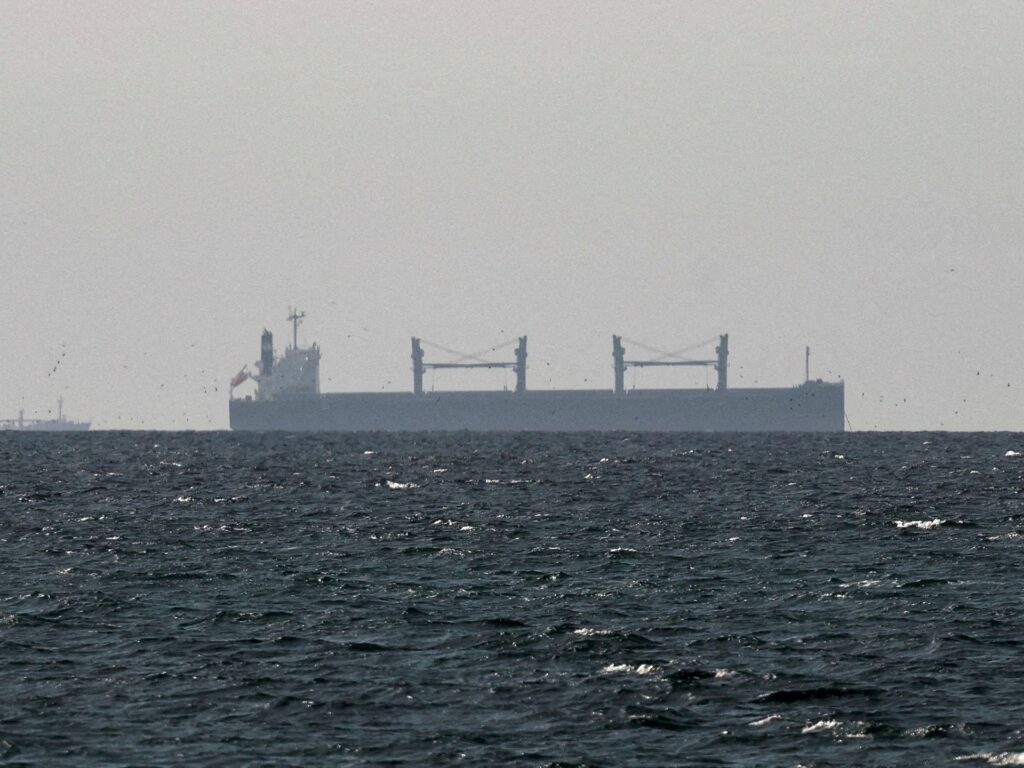
The United States forces have detained the tanker Tifani, a vessel linked to Iran, escalating tensions as ceasefire talks remain precarious. The ship was seized under the US policy aimed at halting all Tehran-linked vessels, reflecting Washington’s stringent approach towards Iran’s maritime activities. Officials confirmed that the Tifani is under sanctions due to its involvement in smuggling Iranian crude oil, a violation of international sanctions imposed on Iran.
The detention of Tifani comes at a time when diplomatic efforts to negotiate a ceasefire are hanging by a thread. The US government’s move signals a firm stance against Iran’s attempts to circumvent sanctions through maritime channels. This action is expected to further complicate the fragile talks aimed at ending regional conflicts.
Experts note that vessels linked to Iran’s oil exports have been under close scrutiny as the US intensifies its campaign to curb Tehran’s economic resources, which are often funneled into proxy groups and military activities in the Middle East. The Tifani’s detention is a clear message to Iran and its allies that evading sanctions will not be tolerated.
The ship’s seizure also raises questions about the impact on global oil markets, as Iran is a significant player in the energy sector. Sanctions enforcement on oil smuggling could tighten supply chains and influence prices, adding another layer of complexity to an already volatile geopolitical landscape.
In response to the detention, Iranian officials condemned the US action, calling it illegal and provocative. They warned of potential escalations if sanctions-related seizures continue, underscoring the delicate balance of power in the region.
Ceasefire talks, involving multiple stakeholders, have been ongoing to address conflicts influenced by Iranian-backed groups. The detention of the Tifani might jeopardize these negotiations by increasing mistrust and hostility between the parties.
Strategists believe that while the US aims to maintain pressure on Iran through enforcement of sanctions, it must also consider diplomatic pathways to prevent further deterioration in relations that could lead to broader conflict.
The Tifani incident highlights the intricate intersection of military enforcement, international law, and diplomacy. As the US Navy continues to patrol key maritime routes, monitoring vessels suspected of sanction violations, this enforcement will likely remain a flashpoint in US-Iran relations.
In summary, the US forces’ detention of the Iran-linked tanker Tifani, sanctioned for smuggling Iranian crude oil, is a significant development amidst fragile ceasefire talks. It underscores the ongoing tensions between Washington and Tehran, the challenges of enforcing international sanctions, and the precarious nature of peace negotiations in the region. The coming weeks will be crucial in determining whether diplomacy or confrontation will define the next phase of US-Iran interactions.